
The Briefing · Psychiatry & Cognitive Neurology
Continuous newsroom coverage of evidence in Psychiatry & Cognitive Neurology — newest first.
Earlier
24 stories-

Acquired Anosmia Affects Quality of Life More Than Congenital Anosmia
A study of 59 patients reveals how the origin and duration of anosmia influence perceived impairment and coping.
-

Spatial Proteomics Identifies Plaque-Associated Microglia in Alzheimer's Brains
A new imaging technology reveals a specific microglial subpopulation linked to dense amyloid-beta plaques in human Alzheimer's disease.
-

AD109 Reduces Apnea-Hypopnea Index in PAP-Intolerant OSA Patients
An oral combination of aroxybutynin and atomoxetine significantly improved objective respiratory metrics over 26 weeks.
-

Genetic Maps Reveal Psychiatric Disorder Clusters, Clinical Feature Links
A Swedish register study maps genetic risk for 12 disorders, showing how liabilities vary with sex, onset age, and recurrence.
-

MSC-Exos Restore Hippocampal Neuron Morphology After Stress via Wnt5a Pathway
Mesenchymal stem cell-derived exosomes mitigate stress-induced morphological deficits in hippocampal neurons through a specific signaling pathway.
-

Periventricular Lesions Drive Cognitive Decline by Disrupting Cholinergic Pathways in Parkinson's
White matter injury triggers cortical terminal loss and retrograde atrophy, identifying a structural biomarker for cognitive risk.
-
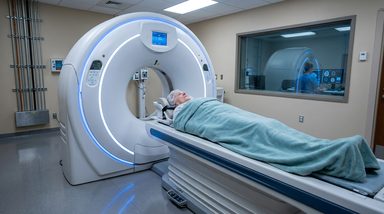
PET Imaging Tracks Metabolic Decline Across ALS Clinical Stages
A large cohort study links King's staging to progressive loss of brain connectivity and transient cerebellar recruitment in ALS.
-

Most Common Mental Disorder Interventions Lack Robust Evidence
A systematic review of Cochrane data reveals that less than a quarter of interventions for common mental disorders have high or moderate quality evide
-

Younger Brain Age Buffers Cognitive Impact of Tau Pathology
Structural brain integrity, but not education level, modifies the link between p-tau217 and cognitive performance in older adults.
-

Semantic-Metacognitive Therapy Improves Naming in Semantic Variant PPA
A single-case experimental study shows specific speech therapy can improve naming performance in individuals with semantic variant primary.
-

Global Psychiatry Congress Reveals Gender, Age, Geographic Representation Patterns
Analysis of the 25th World Congress of Psychiatry highlights attendee demographics and presenter contributions by gender and country income.
-

Acetate Attenuates Microglial Inflammation in Traumatic Brain Injury Model, Not Sepsis
Physiological doses of the gut metabolite acetate reduced inflammatory markers in an in vitro TBI model, but not in a sepsis model.
-

Autonomic Burden Linked to Cognitive Fluctuations in Lewy Body Dementia
A longitudinal study finds autonomic symptom severity correlates with neuropsychiatric burden and reduced caregiver quality of life.
-

Anterior Temporal Atrophy Precedes Semantic Dementia Symptoms by Five Years
Large-scale MRI analysis identifies a prolonged prodromal phase and quantifies the prevalence of incidental anterior temporal lobe loss.
-

Amateur Soccer Heading Linked to Acute Elevations in Neural Damage Biomarkers
A prospective study found that heading in amateur soccer acutely increases blood levels of p-tau217 and S100B, with dose-response relationships.
-

Cervical Spinal Cord Injury Linked to Higher Depression Risk Than Lower-Level Injuries
A nationwide cohort study reveals patients with cervical SCI face a significantly elevated risk of depression compared to those with thoracic/lumbar.
-
Real-World Data Predicts Long-Term Poor Outcomes in Clinical High-Risk Psychosis
A new model identifies individuals at clinical high risk for psychosis who face diverse long-term adverse events, including hospitalization and suicid
-

MEG Reveals Specific Brain and Autonomic Changes in PTSD Affective Processing
Electrophysiological and heart rhythm markers identify altered affective processing in service members with post-traumatic stress disorder.
-
Continuous EEG Enhances Detection of Post-Stroke Epilepsy Predictors
A retrospective study shows continuous EEG significantly improves identification of epileptiform activity and prediction of post-stroke epilepsy.
-

Cingulum Hippocampus White Matter Integrity Linked to Suicide Attempts in Bipolar Disorder
Reduced fractional anisotropy in the cingulum hippocampus, mediated by impulsivity, associates with suicide attempts in bipolar disorder.
-

Accelerometer Data Predicts Dementia Risk in Older Adults
Objective sleep-wake cycle metrics from wearables modestly enhance dementia risk prediction, comparable to APOE genotype.
-

CANMAT launches 2024 guideline for Major Depressive Disorder Management
The updated CANMAT guideline extends recommended antidepressant maintenance duration and emphasizes earlier adjunctive strategies for limited.
-

CANMAT launches 2024 guideline for Perinatal Mood, Anxiety, and Related Disorders
The new CANMAT guideline emphasizes routine, systematic screening for perinatal mood and anxiety disorders throughout pregnancy and up to one year.
-
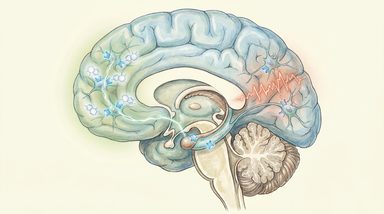
ASAM launches Joint Clinical Practice Guideline on Benzodiazepine Tapering
This new guideline emphasizes patient-centered, gradual benzodiazepine tapering, with a strong caution against abrupt discontinuation due.