
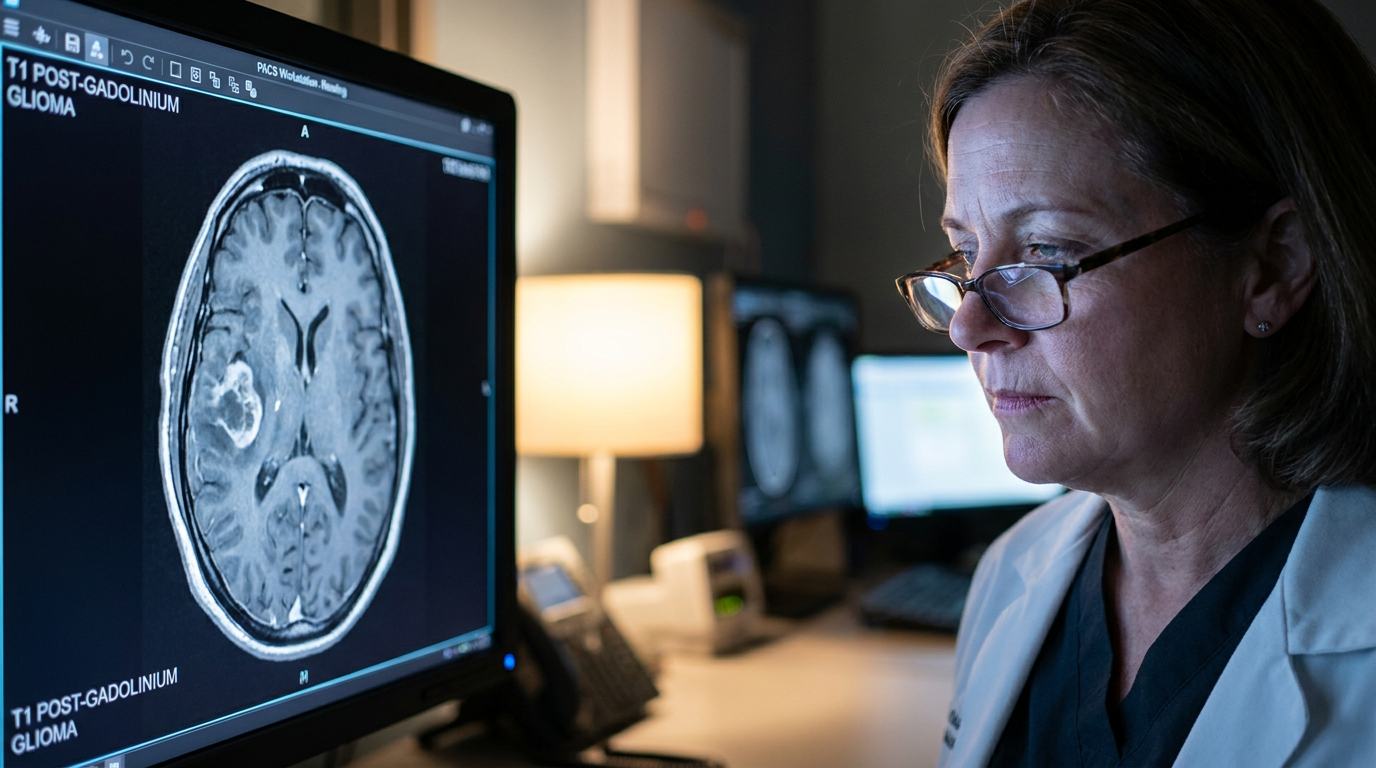
- The study investigated whether accelerometer-derived sleep-wake cycle metrics contribute to dementia prediction in individuals aged 60 and older.
- This prospective cohort study included 53,448 UK Biobank participants and 3,965 Whitehall II participants without dementia at baseline.
- Two combined sleep-wake components were associated with higher dementia risk: component 1 (HR, 1.43; 95% CI, 1.33-1.54) and component 2 (HR, 1.10; 95% CI, 1.04-1.17).
- The authors concluded that accelerometer-derived sleep-wake measures were associated with dementia and modestly improved prediction models.
- Future research should evaluate the clinical utility of these scalable markers for early identification of individuals at risk of dementia.
Unraveling Dementia Risk: The Role of Sleep-Wake Patterns
Identifying reliable markers during the preclinical phase of dementia is a critical goal for enabling earlier intervention and risk stratification [1]. While sleep disturbances are a known feature in patients who later develop dementia, the precise contribution of objectively measured sleep-wake cycle disruptions to risk prediction has been uncertain [2]. Wearable accelerometers provide a non-invasive, scalable method for continuously monitoring activity and rest patterns, generating dense physiological data. A recent large-scale cohort study leveraged this technology to investigate how these objective measures could refine dementia risk assessment in older adults [3].
Study Design and Participant Cohorts
To determine if accelerometer data could meaningfully improve dementia prediction, researchers analyzed information from two large, prospective UK population-based cohorts. The primary analysis was conducted on the UK Biobank, which served as the derivation study for identifying predictive patterns. These findings were then tested for validity in a separate cohort from the Whitehall II study. The UK Biobank accelerometer substudy (2013-2015) provided data from 103,278 individuals, while the Whitehall II substudy (2012-2013) included 4,267. For this analysis, the investigators included participants aged 60 years and older who were free of dementia at baseline and had complete accelerometer and covariate data. The final analyses, performed between August 2024 and November 2025, were based on these well-characterized populations.
Objective Sleep-Wake Metrics and Outcome Assessment
The study's foundation was a set of thirty-six distinct metrics derived from the accelerometer data, capturing a detailed picture of each participant's 24-hour activity. These metrics quantified not only sleep duration and wakefulness during the night but also the nuances of daytime activity, such as the duration of physical exertion, time spent in low-intensity states, and the frequency of transitions between rest and activity. To manage this complexity, the researchers used a machine learning approach. This computational technique systematically analyzed all thirty-six variables to identify and combine the specific metrics that were most strongly predictive of a future dementia diagnosis. The primary outcome was incident all-cause dementia, which was ascertained through linked electronic health records, ensuring a consistent and objective endpoint across the thousands of participants.
Participant Demographics and Follow-up
The derivation analysis was conducted on a substantial group of 53,448 UK Biobank participants, with a mean age of 67.5 years (SD 4.2), of whom 54.2% (28,448) were female. This cohort was followed for a mean of 7.8 years (SD 1.1), providing a sufficient window to observe dementia incidence. The validation was performed in 3,965 participants from the Whitehall II study. This group had a mean age of 69.4 years (SD 5.7), was 25.9% female (1,025), and was followed for a longer mean duration of 10.6 years (SD 2.4). The use of a large derivation cohort followed by confirmation in a separate, long-term validation cohort adds considerable strength to the study's conclusions.
Key Findings: Sleep-Wake Components and Dementia Risk
From the initial thirty-six metrics, the machine learning analysis in the UK Biobank cohort identified nine key variables that were distilled into two predictive components. The first component reflected daytime activity patterns; higher values indicated shorter and less frequent bouts of moderate-to-vigorous physical activity, more time spent in low-intensity activity, and a greater tendency to transition from activity to rest. The second component captured sleep disruption; higher values corresponded to more extreme sleep durations (either very short or very long), more frequent and longer awakenings during the night, and an earlier wake-up time. Both components were independently associated with a higher risk of incident dementia. Component 1, representing daytime inactivity and fragmentation, was associated with a 43% increase in dementia risk (hazard ratio [HR], 1.43; 95% CI, 1.33-1.54). Component 2, representing disrupted sleep, was associated with a 10% increase in risk (HR, 1.10; 95% CI, 1.04-1.17).
Enhancing Dementia Risk Prediction
A central question was whether these new metrics added clinically relevant information to existing risk models. The researchers found that adding the two sleep-wake components to a prediction model that already included standard sociodemographic, behavioral, and health factors provided a modest but statistically significant improvement in predictive accuracy. This was measured by an increase in the C index, a statistic that reflects a model's ability to correctly distinguish between individuals who will and will not develop a disease, of 0.018 (95% CI, 0.011-0.025). These results were successfully replicated in the Whitehall II validation cohort. To place this improvement in a familiar clinical context, the authors noted that the predictive gain from adding the sleep-wake components to a simple age-only model was equivalent to the gain from adding APOE genotype status to the same model. This suggests that passively collected accelerometer data may offer a predictive contribution on par with a major genetic risk factor.
Clinical Implications and Future Directions
This study establishes that specific patterns of daytime activity and sleep disruption, measured objectively by accelerometers, are associated with an increased risk of incident dementia. The findings demonstrate that these metrics contribute a modest but statistically significant amount of predictive information, comparable in magnitude to the contribution of APOE genotype in an age-based model. For practicing clinicians, this suggests that data from wearable devices could one day serve as a scalable, non-invasive tool to help identify individuals at higher risk for dementia, potentially earlier than by clinical symptoms alone. The patterns identified, such as increased daytime inactivity and fragmented sleep, represent tangible targets for observation and possibly intervention. Future research is needed to determine how to best integrate these digital markers into clinical workflows and whether they can be used to guide preventative strategies for at-risk patients.
References
1. Chen Y, Dang M, Zhang Z. Brain mechanisms underlying neuropsychiatric symptoms in Alzheimer’s disease: a systematic review of symptom-general and –specific lesion patterns. Molecular Neurodegeneration. 2021. doi:10.1186/s13024-021-00456-1
2. Carpi M, Fernandes M, Mercuri NB, Liguori C. Sleep Biomarkers for Predicting Cognitive Decline and Alzheimer’s Disease: A Systematic Review of Longitudinal Studies. Journal of Alzheimer s Disease. 2023. doi:10.3233/jad-230933
3. Kargarandehkordi A, Li S, Lin K, Phillips KT, Benzo RM, Washington P. Fusing Wearable Biosensors with Artificial Intelligence for Mental Health Monitoring: A Systematic Review. Biosensors. 2025. doi:10.3390/bios15040202