
The Briefing · Psychiatry & Cognitive Neurology
Continuous newsroom coverage of evidence in Psychiatry & Cognitive Neurology — newest first.
Earlier
24 stories-

CSF Tau Biomarkers Associate With Cognitive Impairment in ALS
Elevated cerebrospinal fluid tau levels correlate with cognitive deficits in ALS, though postmortem TDP-43 burden remains a stronger driver.
-

Dementia With Lewy Bodies Incidence Rises Sharply After Age 65
A meta-analysis of population-based studies reveals significant age and sex disparities in dementia with Lewy bodies epidemiology.
-

Palliative Care Reduces Hospital Death Risk in Multiple Sclerosis
A large cohort study finds neurology oversight drops sharply before death, while rural patients face higher hospital mortality rates.
-

Nuclear Membrane Disruption Precedes Cytoplasmic Tau in Anti-IgLON5 Disease
Autopsy and in vitro data show that antibody binding triggers nuclear invaginations and serine 422 phosphorylation before tau aggregates.
-

Comorbidity Drives Genetic Overlap Between Anxiety and Major Depression
Excluding comorbid cases reveals that isolated anxiety and depression are more genetically distinct than previously recognized.
-

Subthalamic Signal Propagation Predicts Parkinsonian Motor State
Movement-related high-frequency oscillations propagate along the inferior-superior axis, correlating with levodopa response.
-
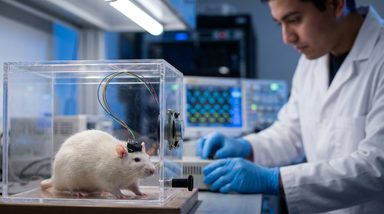
Auditory Slow-Wave Stimulation Reduces Axonal Damage in Rat Brain Injury Model
Closed-loop acoustic triggers during deep sleep preserved white matter integrity and cognitive function in a preclinical study of TBI.
-
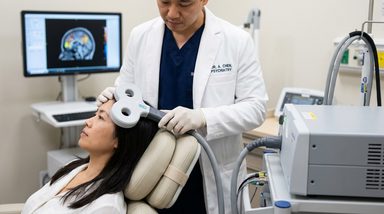
Brain Connectivity Subtypes Predict rTMS Response for Anhedonia in Depression
Patients with specific frontoparietal hyperconnectivity show significant improvement in anhedonia following neurostimulation.
-

Chronic Cocaine Use Linked to Rare Baló-Like Concentric Leukoencephalopathy
Two cases in Italy reveal a specific pattern of inflammatory demyelination that responds to steroids but requires cocaine abstinence.
-

Hierarchical Retinal Circuits Enhance Low-Contrast Detection in Mice and Humans
A dual-mode synaptic architecture using glutamate clouds and driver cells improves signal sensitivity beyond independent cell channels.
-
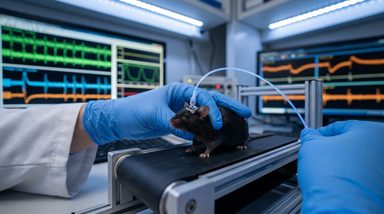
Locomotion Selectively Suppresses Hippocampal Pyramidal Cell Bursting in Mice
All-optical electrophysiology reveals that balanced excitatory and inhibitory inputs modulate gain in CA1 neurons during physical activity.
-

Selective HDAC6 Inhibition Restores Axonal Transport in Preclinical ALS Models
A brain-penetrant small molecule improves motor function and reduces TDP-43 pathology in animal and human cellular models of neurodegeneration.
-

Amygdala Damage Does Not Impair Intrinsic Motivation to Empathize
Patients with focal amygdala lesions maintain a normal drive to engage in empathic encounters despite deficits in emotional recognition.
-
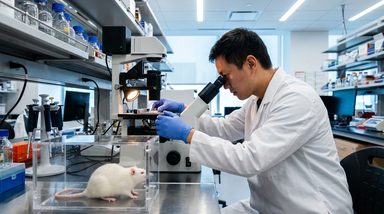
THC Disrupts Rat Fear Memory via Sex-Specific Microglial and Receptor Pathways
In male rats, THC requires microglial recruitment and dual receptor signaling, while female effects depend on the estrous cycle and CB1.
-

Child Maltreatment Linked to Systemic Homeostatic Dysregulation
Recent trauma in children may disrupt physiological stability and delay development in males rather than accelerating biological aging.
-

Lumateperone Leads Efficacy While Aripiprazole Shows Best Acceptability in Depression
A meta-analysis of 10,962 patients quantifies the trade-offs between symptom reduction and treatment adherence for adjunctive antipsychotics.
-

Sleep Efficiency Improvements Drive Antidepressant Response to CBT for Insomnia
A mechanistic trial shows that objective sleep gains, not changes in brain emotional circuits, correlate with improved mood symptoms.
-

Nucleus Accumbens Dopamine Regulates Multi-Option Foraging Rates in Mice
A global learning rate in the nucleus accumbens core allows for rapid value integration across six concurrent choices in large arenas.
-
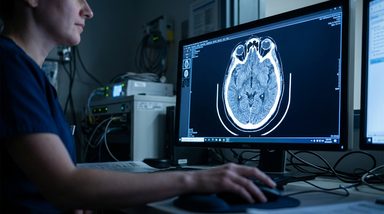
Penetrating Brain Injury Mortality Reaches 42% While Prophylaxis Compliance Lags
Despite high mortality, 70% of survivors achieve favorable outcomes, though adherence to antibiotic and seizure protocols remains low.
-
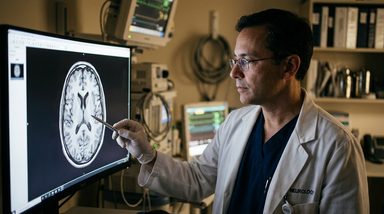
Chronic Stroke Survivors Retain Motivational Drive Despite Impaired Reward Learning
A study of 40 patients shows that while stroke slows belief updating, the ability to speed up movements for rewards remains intact.
-

SSPOP Gene Mutations Linked to Pediatric Epilepsy and Developmental Delay
Researchers identify pathogenic variants in a presumed pseudogene, expanding the diagnostic landscape for unexplained seizure disorders.
-

Magnetic Seizure Therapy Limits Memory Loss in Bipolar Depression Trial
A randomized pilot study shows magnetic seizure therapy matches the efficacy of ultrabrief ECT while reducing cognitive adverse effects.
-

Skin Biopsies Differentiate Body-First and Brain-First Parkinson’s Disease
Cutaneous alpha-synuclein patterns and seeding kinetics identify distinct pathological origins in Parkinson’s disease subtypes.
-

Prefrontal Cortex Origin for Rhythmic Ictal Nonclonic Hand Motions
Intracerebral recordings show that specific hand motions often linked to temporal lobe epilepsy can originate in the middle frontal gyrus.