
The Briefing · Emergency & Critical Care
Continuous newsroom coverage of evidence in Emergency & Critical Care — newest first.
Earlier
24 stories-

Physician-Modified Grafts Show Higher Renal Stability Than TAMBE Devices
A five-year analysis identifies the right renal artery as a primary site of failure for off-the-shelf multibranched endografts.
-

Palliative Care Reduces Acute Hospital Use in Stage IV Cancer
A retrospective cohort study of 7,144 patients shows specialist palliative care lowers emergency visits and hospitalizations by over 35%.
-
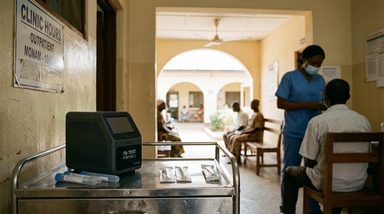
MiniDock MTB Swab Test Meets WHO Accuracy Targets for Tuberculosis
A prospective study of 1380 patients shows tongue and sputum swabs provide accurate molecular detection of pulmonary tuberculosis.
-
Biomarkers Predict Kidney Response to Belimumab in Lupus Nephritis
A Phase 3 post hoc analysis identifies baseline IgA, anti-C1q, and early proteinuria changes as key indicators of treatment success.
-

Cumulative Lead Exposure Linked to 3.5 Million Annual Cardiovascular Deaths
A meta-regression of NHANES data identifies bone lead levels as a major independent risk factor for global cardiovascular mortality.
-

Advanced Pre-hospital Procedures Increase Scene Time by 41 Percent
A 20-year analysis of physician-led air ambulance data shows that each additional field intervention significantly delays hospital transfer.
-
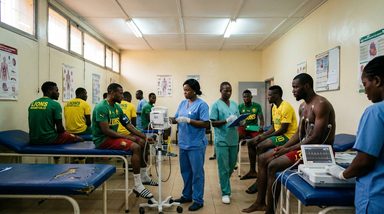
Cameroonian Football Stakeholders Lack Essential Sudden Cardiac Arrest Preparedness
A survey of 745 professional football personnel reveals low CPR confidence and critical gaps in automated external defibrillator access.
-

Antipsychotics and Antiemetics Drive Pediatric Drug-Induced Dystonia
A study of 79 children finds most reactions occur within 72 hours of exposure and respond rapidly to parenteral biperiden.
-

Bilateral Dynamic CT Uses Contralateral Wrist to Diagnose Scapholunate Injury
Using the patient's healthy wrist as an internal control eliminates the need for external reference sets in 4D computed tomography.
-
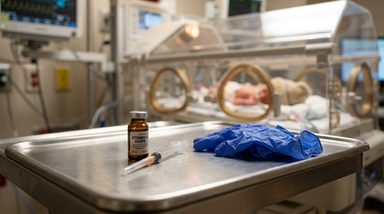
Early Probiotics Reduce Mortality in Extremely Preterm Infants
A Norwegian registry study of 1,596 neonates finds early probiotic use lowers death risk and may reduce surgical necrotizing enterocolitis.
-

Delaying Substance Use Until Age 21 Linked to 83% Lower Polysubstance Risk
A national survey of 92,233 adults shows that early initiation before age 18 significantly increases the risk of multiple concurrent addictions.
-
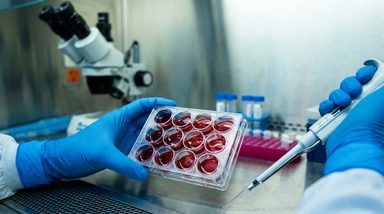
Plasmodium knowlesi Adapts In Vitro to Infect Duffy-Negative Erythrocytes
A chimeric gene allows the zoonotic parasite to bypass the Duffy-antigen receptor, suggesting potential for wider geographic spread.
-

Simple Thoracostomy Shows Higher Success Rate Than Needle Decompression in Cadavers
A crossover study using fresh human cadavers found that simple thoracostomy achieved faster and more complete pleural decompression.
-

Multi-Echo T2* MRI Identifies Neonatal Hemochromatosis via Extrahepatic Iron Patterns
Pancreatic and thyroid siderosis on MRI distinguishes neonatal hemochromatosis from other liver failure causes with 92.3% accuracy.
-

Mim8 Prophylaxis Reduces Bleeding in Hemophilia A with or without Inhibitors
Phase 3 data show weekly or monthly subcutaneous Mim8 significantly lowers bleeding rates compared to on-demand and prior factor therapy.
-

Renal Macrophage Shifts Drive Glomerulosclerosis in Lupus Nephritis Progression
Spatial transcriptomics reveals that disease-specific macrophages interact with parietal epithelial cells to promote renal scarring.
-

Clinical Models Improve Pediatric Referral Accuracy in Southeast Asia
New triage tools utilizing pulse oximetry and sTREM1 show higher sensitivity for severe febrile illness than current WHO standards.
-

Trauma Center Type Does Not Predict Outcomes in Pediatric Liver Injury
A national TQIP analysis finds that facility verification status does not independently influence intervention rates or mortality.
-
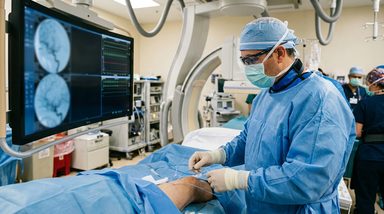
Middle Meningeal Artery Embolization Reduces Subdural Hematoma Recurrence
Adjunctive embolization after surgery lowered symptomatic recurrence from 28% to 4.3% in a randomized trial of 186 patients.
-

Intravascular Imaging Reduces Major Cardiac Events in Complex PCI
A randomized trial shows imaging guidance lowers the five-year risk of cardiac death and myocardial infarction in complex coronary lesions.
-

Early IL-6 Levels Predict Sepsis-Induced Coagulopathy with High Specificity
Day 1 interleukin-6 concentrations above 5,571 pg/mL identify patients at high risk for disseminated intravascular coagulation.
-

Polygenic Risk Scores Identify High Susceptibility for Eight Cardiovascular Traits
A validated clinical report using data from 298,700 participants quantifies inherited risk for conditions including CAD and hypertension.
-

Heart Failure Palliative Research Shifts Toward Frailty and Prognostic Tools
A 25-year bibliometric analysis of 1,619 studies tracks the evolution from basic survival data to complex care coordination.
-

IVUS Guidance Reduces Target Vessel Failure in Complex Bifurcation PCI
A randomized trial shows IVUS-guided optimization more than halves the 1-year risk of failure in complex double kissing crush procedures.