

Nitrous Oxide Reward Driven by DCN-VTA Circuit, AMPA Receptor Potentiation
A new study in animal models identifies the specific neural circuit and molecular mechanism underlying nitrous oxide's rewarding effects.

REM Sleep EEG Slowing Linked to Cholinergic Denervation in Older Adults
Specific REM sleep electroencephalogram patterns correlate with brain cholinergic integrity, potentially aiding early diagnosis in Alzheimer's disease

Maternal Fasting in Mice Induces Schizophrenia-Related Phenotypes
A mouse model links transient fasting during early gestation to epigenetic changes and altered neural circuitry in offspring.
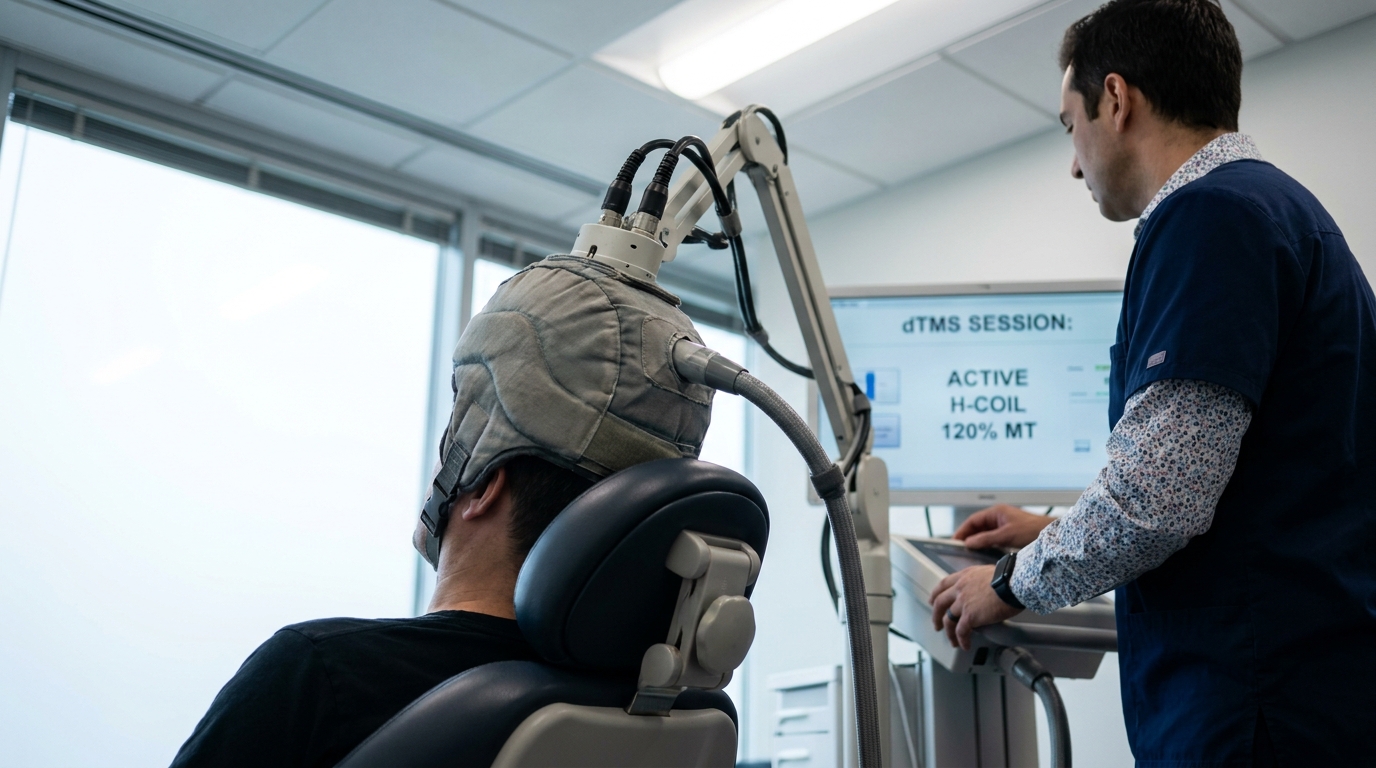
Accelerated Deep TMS Protocols Show High Remission Rates in Depression
A randomized trial finds that 10-day accelerated deep TMS protocols achieve 42% to 50% remission rates, exceeding pharmacotherapy alone.

Genetic Risk and Social Deprivation Drive Regional Drug Use Clusters
A Swedish study of 5,983 districts finds that family genetic risk and community deprivation explain most geographic variation in addiction.
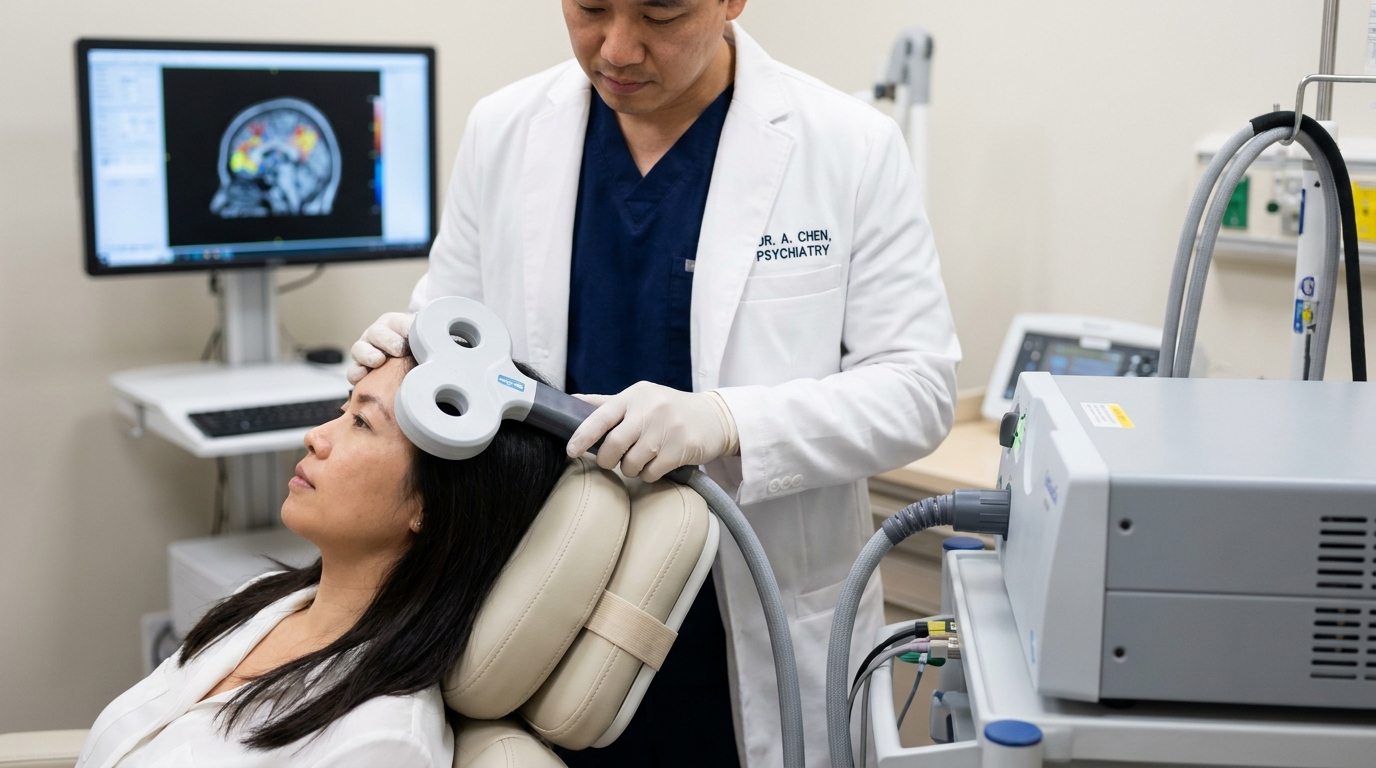
Brain Connectivity Subtypes Predict rTMS Response for Anhedonia in Depression
Patients with specific frontoparietal hyperconnectivity show significant improvement in anhedonia following neurostimulation.

Child Maltreatment Linked to Systemic Homeostatic Dysregulation
Recent trauma in children may disrupt physiological stability and delay development in males rather than accelerating biological aging.

Cell-Specific Gene Expression Analysis Identifies Schizophrenia Risk Drivers
Researchers mapped 466 causal genes across eight brain cell types, pinpointing MAU2 and PPP1R13B as high-priority therapeutic targets.

CEP41 Mutations Alter Cortical Neuron Ratios in Human Organoid Models
The R242H mutation shortens primary cilia and disrupts the balance of excitatory and inhibitory neurons during brain development.

Delaying Substance Use Until Age 21 Linked to 83% Lower Polysubstance Risk
A national survey of 92,233 adults shows that early initiation before age 18 significantly increases the risk of multiple concurrent addictions.

MRI Index Quantifies Alzheimer’s Pattern to Predict Dementia Onset
A structural brain vulnerability index identifies early neurodegeneration and predicts conversion from mild cognitive impairment.
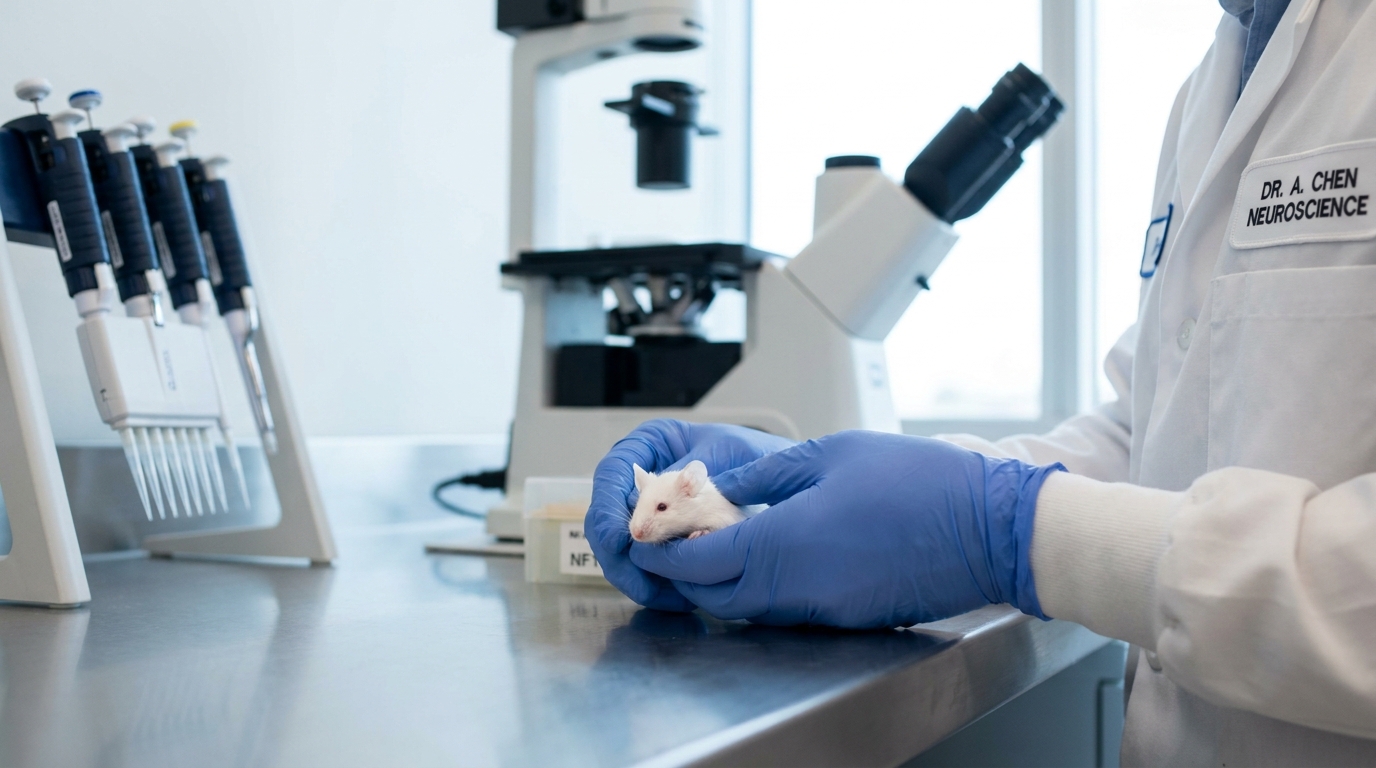
Gut Microbiome Linked to Macrocephaly in NF1 Mouse Model
Sex-specific microbial signatures correlate with brain size and autism-like behaviors in mice with Neurofibromatosis type 1 mutations.