
The Briefing
Continuous newsroom coverage of clinically relevant evidence — newest first.
Earlier
24 stories-

Glial GLRX3 Enzyme Drives Chronic Oxaliplatin-Induced Pain in Aged Models
A redox circuit in the dorsal root ganglion identifies potential biomarkers and therapeutic targets for age-related chemotherapy toxicity.
-

Bariatric Surgery Reduces Lifetime Cardiovascular Risk More Than GLP-1 Agonists
A retrospective cohort study shows surgery achieves superior lifetime risk reduction and weight loss despite similar 10-year risk changes.
-

Sepsis-Associated Respiratory Mortality Rises Over 25 Years
A longitudinal analysis of 2 million deaths reveals a significant mortality surge during the pandemic and persistent demographic disparities.
-

Triamcinolone Acetonide Shows No Direct Toxicity to Human Knee Cartilage
Laboratory analysis of human tissue suggests triamcinolone reduces degradative enzymes without causing chondrocyte death or matrix loss.
-

Neural Rhythms in Language and Default-Mode Networks Predict Reading Recall
Combined EEG and MRI data reveal that specific frequency patterns in brain networks correlate with a patient's ability to remember text.
-

Cartilage Damage Increases Between Primary and Revision ACL Reconstruction
Registry data show a 0.7% increase in the odds of chondral lesions for every month of delay between initial injury and revision surgery.
-

High-Intensity tACS Improves Chronic Insomnia by Modulating Brain Networks
A randomized trial shows 15 mA stimulation reduces sleep index scores and reorganizes functional connectivity in hyperarousal circuits.
-
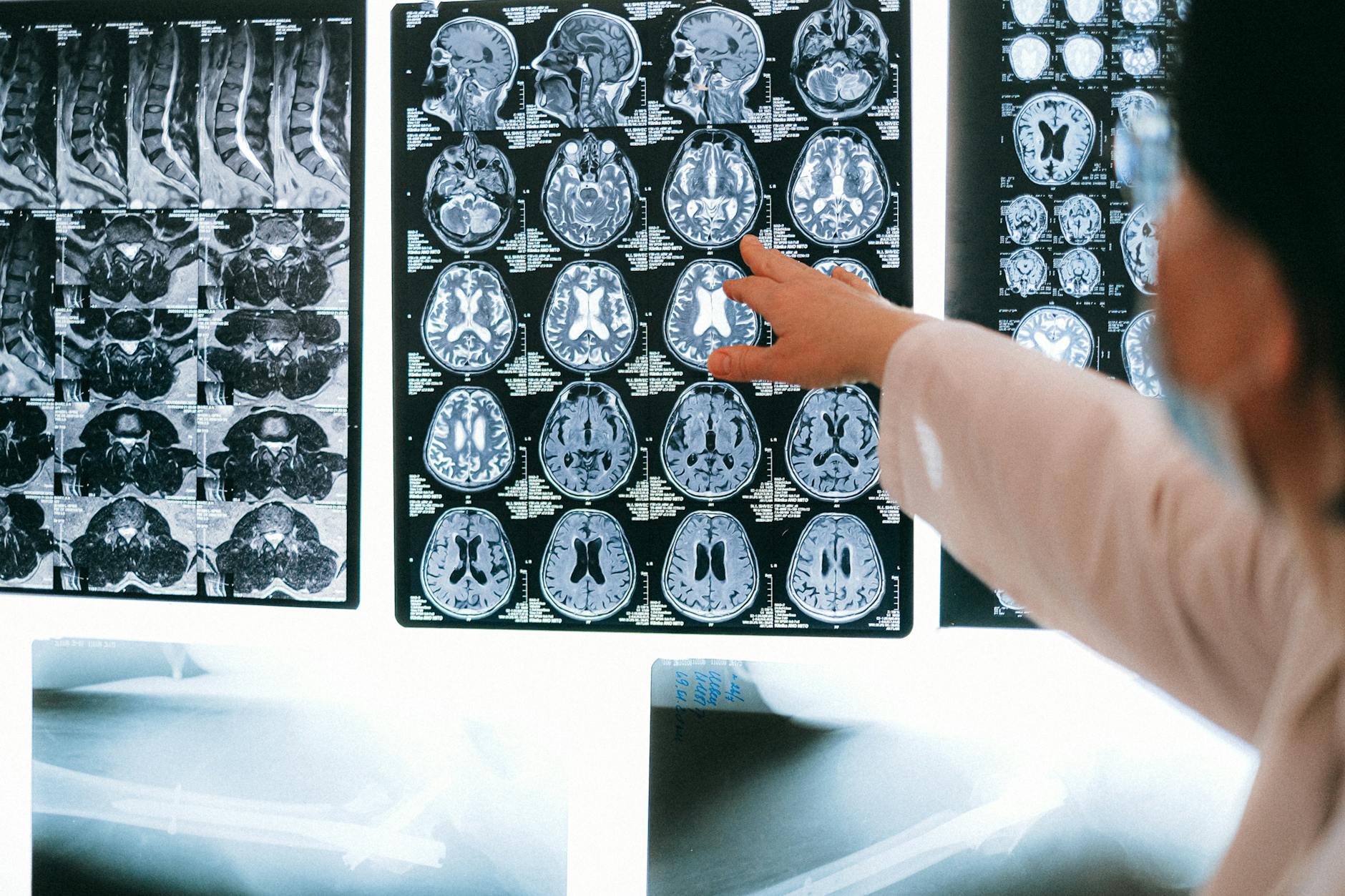
Gut Microbiome Signature Identifies Premanifest Parkinson’s Disease Risk
Metagenomic analysis reveals a microbial state in GBA1 carriers that correlates with prodromal symptoms and disease progression.
-

Childhood Maltreatment Mediates Neural Influence on Depressive Temperament
Hippocampal and insular activity correlate with depressive traits through the subjective appraisal of early life trauma.
-

Radiographic Bone Texture Analysis Identifies Risk of Femoral Stem Subsidence
Lower texture energy and mean intensity on preoperative radiographs correlate with early implant migration exceeding two millimeters.
-

Autism Shares Genetic Risk Loci With Diabetes and Heart Disease
Large-scale genomic analysis identifies 100 shared loci linking autism spectrum disorder to metabolic and cardiovascular phenotypes.
-

Intestinal Permeability Triggers Atrial Fibrillation via JNK2 Activation in Mice
Researchers identified a signaling axis where leaky gut-associated cytokines activate cardiac JNK2 to cause calcium-handling abnormalities.
-

Infrequent Healthcare Contact and Previous Attempts Linked to Intoxication at Suicide
A Finnish registry study of 6,892 deaths identifies clinical profiles and diagnostic factors associated with acute alcohol use.
-
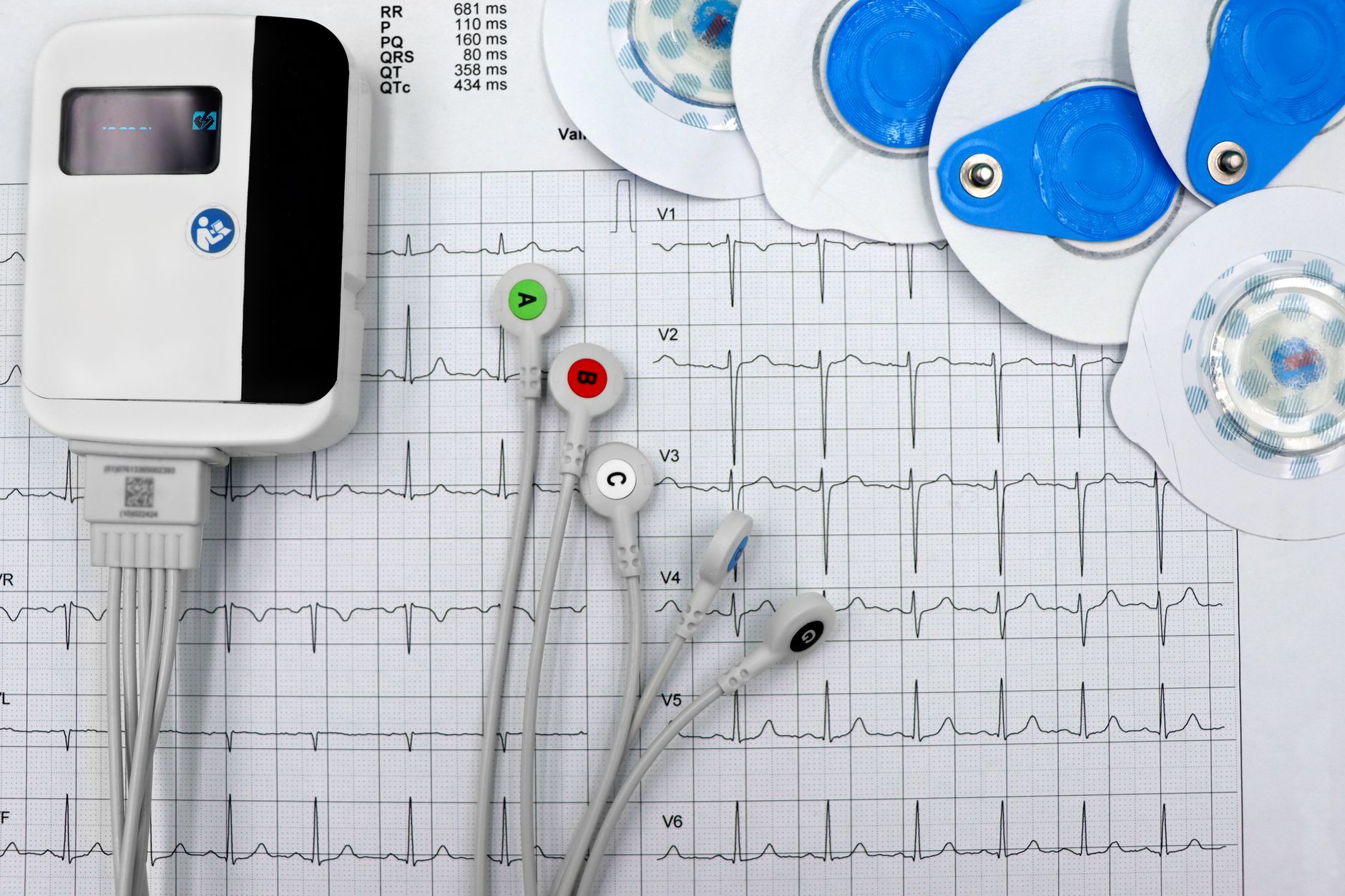
Daily Task Frequency Correlates With Objective Activity in Cardiac Patients
A study of 1,126 patients shows that housework and leisure activities drive higher step counts and moderate-to-vigorous exertion.
-

Lifestyle Intervention Benefits Cognition in Older Adults With Low Hippocampal Volume
A randomized trial shows intensive lifestyle coaching preserves cognition in high-risk patients despite unchanged brain biomarker trajectories.
-

Open-Source Models Accurately Identify Pediatric Pneumonia in Radiology Reports
Large language models achieve F1 scores up to 0.97, surpassing traditional machine learning in classifying free-text chest X-ray reports.
-

High-Dose Calcium Chloride Reduces 24-Hour Mortality in Trauma Patients
A 1:2 ratio of calcium chloride to whole blood units lowered the odds of early death by 84% in a retrospective cohort study.
-

Spinal Cord Area Loss Predicts Myelopathy in Severe Cervical Ossification
Percentage reduction in cord cross-sectional area shows higher diagnostic accuracy than traditional bony canal measurements.
-
Beta-1 Blockers May Reduce Vascular Dementia Risk in Genetic Analysis
A Mendelian randomization study suggests beta-1 adrenergic antagonism protects white matter, while ACE inhibition may increase risk.
-

Preconception Care Reduces Maternal and Neonatal Morbidity
A review highlights evidence-based interventions, from folic acid to chronic disease management, that optimize health before conception.
-

Rapid Susceptibility Testing Speeds Antibiotic Adjustments but Not Outcomes
While rapid testing accelerated antibiotic adjustments by 14 hours, it did not improve 30-day survival or reduce deleterious events.
-

Low-Calorie Feeding Does Not Worsen Kidney Function in Shock
A post hoc analysis of 3,036 patients shows early restrictive diets are safe for the kidneys, even with preexisting dysfunction.
-

Planetary Health Diet Linked to Lower Risk of Stroke and Depression
A UK Biobank study of 69,370 adults finds high adherence to sustainable eating reduces brain disorder risk via slower biological aging.
-

Resilience Alters Symptom Networks Linking Bullying to Depression in Adolescents
Network analysis reveals that low resilience strengthens the ties between social exclusion and depressive symptoms like anhedonia.