
The Briefing
Continuous newsroom coverage of clinically relevant evidence — newest first.
Earlier
24 stories-

Alteplase Before Thrombectomy Loses Value After 170 Minutes
A 16-country analysis shows bridging therapy for large vessel occlusion is only cost-effective when initiated early after stroke onset.
-

Ambulance Lights and Sirens Save Only Three Minutes During Patient Transport
A study of 25,902 incidents suggests the modest time savings of emergent transport may not justify the tripled risk of collisions.
-

Risk-Adapted Therapy Improves Survival in Pediatric Acute Myeloid Leukemia
Refined stratification using measurable residual disease and genetics increased 3-year overall survival to 83.9% in a large cohort.
-

Endovascular Therapy Eases Post-Thrombotic Syndrome but Increases Bleeding
Iliac-vein stenting with enhanced antithrombotics improves symptoms and quality of life at six months, despite a higher bleeding risk.
-

Routine Prednisolone Does Not Prevent Coronary Lesions in Kawasaki Disease
A large randomized trial shows that adding steroids to standard therapy does not protect the coronary arteries of unselected children.
-

Zongertinib Drives High Response in First-Line HER2-Mutant Lung Cancer
The selective HER2 inhibitor achieved a 76% objective response rate and durable progression-free survival in treatment-naive patients.
-

Plasma p-tau217 Assays Show High Specificity for Alzheimer’s Diagnosis
Three diverse assay technologies demonstrate 100% specificity in differentiating Alzheimer’s from vascular and frontotemporal dementias.
-
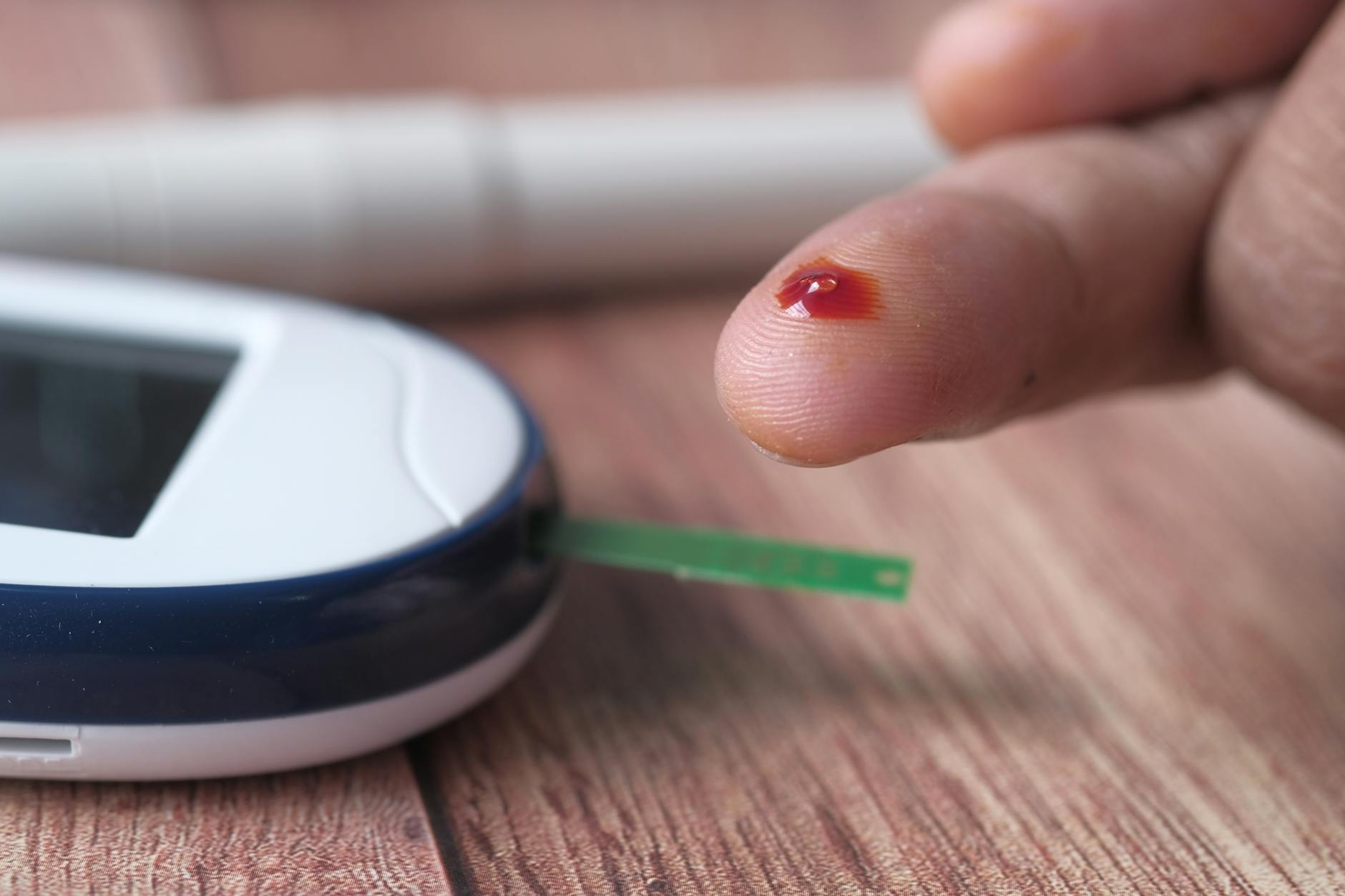
Obesity and Prediabetes Rates Rise Among Northern Great Plains Children
A multi-year screening of American Indian students shows obesity rates exceeding 40% and a doubling of prediabetes prevalence.
-

Macrophage PRMT9 Limits Myocardial Infarction Damage in Mice
Researchers found that PRMT9 triggers STAT1 degradation to suppress inflammation and reduce infarct size in experimental models.
-

AI Ensemble Matches Expert Consensus for Ultrasound Pneumothorax Detection
An explainable AI model achieved 100% sensitivity and specificity, reducing false positives compared to clinicians in M-mode imaging.
-

Coping and Self-Efficacy Mediate Mood Improvements in Brain Tumor Caregivers
A secondary analysis of a randomized trial shows that a telehealth intervention reduces anxiety and depression by targeting specific psychological mec
-

ILCOR Standardizes Reporting for Resuscitation Education Research
A new Utstein style consensus report defines 111 specific metrics to unify how training efficacy is measured across clinical cohorts.
-

Fecal Transplant Fails to Decolonize Resistant Bacteria in GI Disease
A randomized trial shows single-dose fecal microbiota transplant does not reduce multidrug-resistant organisms or resistance genes.
-

GNAO1-Related Disorders Follow Non-Degenerative Course Despite Progressive Movement Symptoms
A longitudinal study of 66 patients shows cognitive stability while severe cases face functional burden from worsening movement disorders.
-
TTVR Eliminates Severe Tricuspid Regurgitation in Real-World Registry
A US registry study of 1,034 patients shows 98% procedural success and significant functional gains with low 30-day mortality.
-

MTOR Hyperactivation Suppresses Autophagy and Drives Neuroinflammation in Schizophrenia
Restoring cellular waste clearance via mTOR inhibition reduces pro-inflammatory cytokines and glial activation in schizophrenia models.
-
Chronotherapeutic Protocol Advances Circadian Timing and Extends Adolescent Sleep
A two-week intervention using light-modulating glasses and scheduling increased weeknight sleep by 47 minutes in high school students.
-

Cajanine Reduces Anxiety and Fear Extinction Deficits in Female Mice
The compound modulates the ERβ/NF-κB pathway to alleviate neuroinflammation and behavioral symptoms in a sex-specific manner.
-

Early EEG Findings Guide Shorter Sedation After Cardiac Arrest
Patients with favorable EEG patterns within 12 hours of arrest saw mechanical ventilation and ICU stays reduced by over 50 percent.
-

Mechanism-Based Care Relieves Peripheral Edema in Advanced Cancer
A scoping review of 2,223 patients suggests targeted interventions like stenting and fluid management improve short-term symptom burden.
-

Asundexian Reduces Recurrent Stroke Without Increasing Major Bleeding
Adding the Factor XIa inhibitor asundexian to standard antiplatelet therapy safely lowers recurrent stroke risk in high-risk patients.
-
Silent Urate Deposits Found in 39% of Asymptomatic Hyperuricemia Patients
Standardized ultrasound reveals subclinical crystal deposition is linked to early joint erosion and synovial inflammation before the first gout flare.
-

Elobixibat Improves Chronic Constipation in Patients With Schizophrenia or Depression
Postmarketing surveillance shows increased defecation frequency and improved stool consistency with no serious adverse drug reactions.
-

Genicular Artery Embolization Shows No Benefit Over Sham for Knee Osteoarthritis
A randomized trial finds that 12-month pain reduction after genicular artery embolization is statistically equivalent to a sham procedure.