
The Briefing
Continuous newsroom coverage of clinically relevant evidence — newest first.
Earlier
24 stories-

Funnel-Shaped Mesh Reduces Parastomal Hernia Risk After Rectal Cancer Surgery
A randomized trial shows prophylactic mesh lowers three-year clinical hernia rates from 39% to 10% without increasing complications.
-
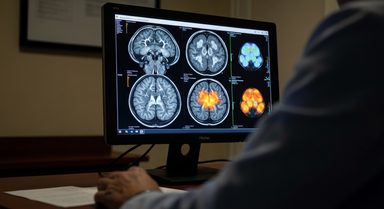
DMN Connectivity Predicts Amyloid Accumulation and Clinical Decline in Alzheimer’s
Longitudinal imaging shows functional network disruptions precede detectable amyloid plaques and signal future cognitive impairment.
-

Hypoxia Preconditioning Increases Adipose Stem Cell Fusion Mass in Rats
Stabilizing hypoxia-inducible factor-1α with DMOG improves bone formation and tissue maturation in a posterolateral spinal fusion model.
-

Evidence Accumulation Efficiency Predicts Substance Use Better Than Inhibitory Control
A longitudinal study of 1,000 adults suggests decision-making speed, not impulse suppression, is the primary marker for addiction risk.
-

Indirect Expenses Account for 86 Percent of Trauma Resuscitation Costs
A time-driven activity-based costing analysis of 134 patients shows the average 17-minute resuscitation costs $3,628.
-

RRT Configuration Does Not Impact Complication Rates in VA-ECMO Patients
A retrospective study finds no significant differences in infection or bleeding between integrated and parallel renal replacement circuits.
-

Dialectical Behavior Therapy and Schema Therapy Show Similar Efficacy for BPD
A 3-year randomized trial found no significant difference in symptom reduction or dropout between these two intensive psychotherapies.
-

Tucidinostat Improves Event-Free Survival in Double-Expressor B-Cell Lymphoma
Adding a histone deacetylase inhibitor to R-CHOP increases complete response rates and reduces progression risk in high-risk patients.
-

Telepractice PTR-F Improves Parent Fidelity in Chinese American Families
A culturally adapted behavioral intervention delivered remotely increased parent adherence and reduced challenging behaviors in autistic children.
-

Clinical and Social Markers Predict Six-Month Alcohol Abstinence
A multivariate analysis of 152 patients identifies treatment completion and organ damage as key indicators of long-term recovery.
-

Quality of Life Buffers Adolescent Risk Behaviors in Configurational Analysis
A study of 560 students identifies specific combinations of depression and alcohol use that drive high-risk clinical profiles.
-

Serum sRAGE Levels Link Biological Rhythm Stability to Depression Severity
A case-control study identifies soluble RAGE as a protective mediator against circadian disruption and insomnia in depressed patients.
-

U-Shaped Sleep Duration Linked to Depression in Postmenopausal Women
Analysis of 4,891 women identifies 7.5 hours as the inflection point where both short and long sleep correlate with symptom severity.
-

Executive Inhibition Deficits Moderate Startle Response in Trauma-Exposed Adults
Poorer cognitive control interacts with physiological hyperarousal to increase the severity of PTSD and depression symptoms over six months.
-

Parental Separation Linked to Increased Mental Disorder Risk in University Students
A large Norwegian survey of 52,968 students finds higher rates of depression, anxiety, and PTSD years after family dissolution.
-
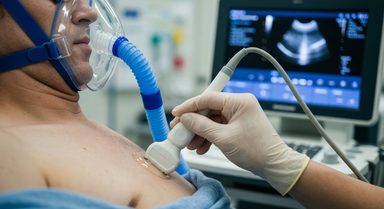
Low Diaphragm Thickening Fraction at One Hour Predicts Noninvasive Ventilation Failure
Bedside ultrasound of the diaphragm after 60 minutes of support identifies patients likely to require endotracheal intubation.
-
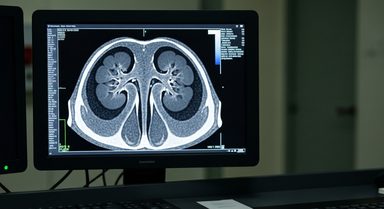
Tranexamic Acid Reduces Major Bleeding in Urologic Surgery
A randomized trial of 1,124 patients shows TXA reduces major bleeding by 3.4% without significantly increasing 30-day thrombotic risk.
-
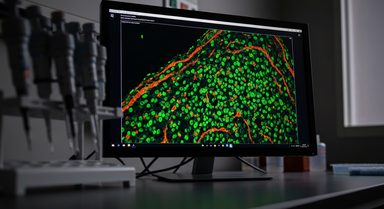
IL-15 Receptor Deficiency Drives Depressive Behaviors via Microglial Synapse Pruning in Mice
Loss of IL-15RA signaling triggers prefrontal cortex synapse loss through the CX3CL1 pathway, offering a potential target for depression.
-

Acetate Supplementation May Reduce Psychotropic-Induced Weight Gain and Dyslipidemia
A case-series shows delayed-release acetate capsules improve metabolic markers and shift gut microbiota toward butyrate-producing bacteria.
-
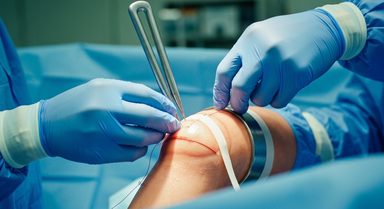
Steep Tibial Slope Increases ACL Graft Failure Despite Lateral Augmentation
A 6-year cohort study finds that posterior tibial slope exceeding 12 degrees significantly raises rerupture risk even with tenodesis.
-
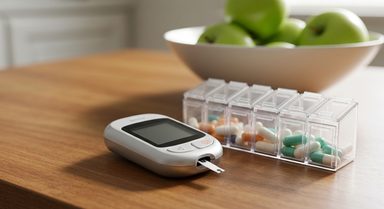
Behavioral Nursing Model Improves Glycemic Control and Cognition in Older Diabetes Patients
A three-month Information-Motivation-Behavioral Skills intervention reduced HbA1c and psychological distress while improving cognitive scores.
-

Transcriptional Map Identifies 37 Interneuron Subtypes in Human Prefrontal Cortex
Researchers used single-nucleus RNA sequencing to define molecular signatures of somatostatin and parvalbumin cells in healthy adults.
-

Cell-Specific Genetic Mapping Links Neuronal and Immune Pathways to Neuropsychiatric Risk
Analysis of six major disorders identifies 345 risk genes, highlighting the role of microglia and astrocytes in disease pathogenesis.
-

Emergency Laparotomy Survivors Face High Readmission and Inconsistent Follow-up
A multicenter study of 557 patients reveals that nearly 20% return to the hospital within 30 days of discharge.