
The Briefing · Psychiatry & Cognitive Neurology
Continuous newsroom coverage of evidence in Psychiatry & Cognitive Neurology — newest first.
Earlier
24 stories-

Memory Deficits Precede Processing Speed Decline in Modern Multiple Sclerosis Care
A large cohort study suggests the traditional speed-centric model of cognitive impairment no longer applies to most current patients.
-

Gaucher Disease Type 1 Carries 12% Parkinson Risk by Age 80
A registry study of 1,618 patients finds over 20% develop parkinsonian symptoms or dementia with Lewy bodies by the eighth decade.
-

Jaw Deformity Linked to Increased Attentional Bias and Dysmorphic Concern
Eye-tracking data reveal that patients with jaw deformities fixate longer on the jaw region, correlating with higher body image distress.
-

Sleep Loss Delays Rat Surgical Recovery via Epigenetic Opioid Receptor Suppression
REM sleep disturbance downregulates the TET1 enzyme, reducing mu-opioid receptor expression in the spinal cord and dorsal root ganglion.
-

Lower Rugby Tackle Height Reduces Ball-Carrier Risk but May Increase Tackler Impacts
A simulation of 23,081 tackles suggests that mandating lower hits redistributes neurotrauma risk between players rather than eliminating it.
-

Late-Onset MS Patients Receive Fewer High-Efficacy Therapies Despite Similar Disease Severity
A French registry study of 36,148 patients shows those diagnosed after age 50 are less likely to initiate or escalate treatment.
-

Caregivers of Older Surgical Patients Report High Stress and Unmet Needs
Qualitative analysis reveals that family caregivers feel overwhelmed and unprepared throughout the entire perioperative period.
-

Mothers Report Gaps in Prenatal Counseling and Neonatal Realities
A study of 64 mothers finds that 32 percent experienced inconsistencies between antenatal consultations and neonatal intensive care.
-

Glutamate Receptor Gene Variants Linked to Comorbid ADHD and Autism
Large-scale genomic analysis identifies specific structural variants in glutamatergic networks that distinguish complex ADHD phenotypes.
-

Mindfulness Adjunct Lowers Anxiety Scores in Medicated Adults With GAD
An 8-week mindfulness program added to pharmacotherapy improved clinician-rated anxiety, sleep quality, and psychosocial functioning.
-
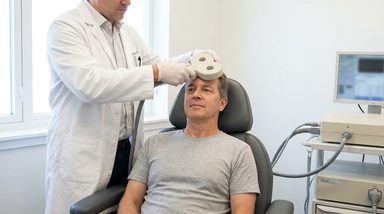
Prefrontal Stimulation Amplifies Placebo Mood Response in Depression
Intermittent theta burst stimulation of the dorsomedial prefrontal cortex modulates the default mode network to enhance expectancy effects.
-

Xq28 Duplication Involving MECP2 Drives Multisystemic X-Linked Disability
A familial case report identifies a six-gene duplication at Xq28 causing severe neurological and cutaneous symptoms in males.
-

Sleep and Psychological Symptoms Moderate Physical Activity Benefits in Pediatric Pain
A study of 212,105 adolescents shows that exercise effects on back pain and stomachache depend on comorbid sleep and mood profiles.
-

Involuntary Prenatal Oxycodone Exposure Increases Addiction Risk in Rat Offspring
A rat study shows that non-contingent maternal opioid use leads to higher motivated drug-seeking in adult progeny than voluntary intake.
-

Low Cerebral Perfusion Pressure Increases Delirium Risk After Cardiac Surgery
A cohort study of 1,759 patients suggests that maintaining the balance between arterial and venous pressures may prevent delirium.
-

Clinical Milestones Predict Survival in Multiple System Atrophy
A study of 555 patients identifies late-stage markers and time-dependent prognostic factors to guide clinical management.
-

Structured Communication Training Improves Oncology Clinician Self-Efficacy and Reduces Distress
A multi-center initiative involving 2,271 clinicians shows that institutional mandates and incentives drive high training completion.
-

Iatrogenic Amyloid Angiopathy Shows Higher Amyloid Burden Than Sporadic Cases
Patients with iatrogenic disease exhibit distinct biomarker profiles and lower APOE ε4 frequency compared to those with sporadic disease.
-

Bipolar Disorder Linked to Widespread White Matter Network Disruption
Large-scale analysis identifies connectivity deficits in reward circuits associated with illness duration and psychotropic medication use.
-

VA Risk Calculator Predicts Long-Term Loss of Independence After Surgery
A predictive model using VA data identifies patients at risk for protracted recovery six months post-operation with high sensitivity.
-

Six-Item Symptom Tool and Vestibular Screen Improve Concussion Diagnosis Accuracy
A streamlined 6-item index combined with a brief vestibular-ocular screen shows higher specificity than the standard 22-item checklist.
-

Multimorbidity Linked to Alzheimer's Biomarkers in Dementia-Free Adults
Cumulative chronic disease burden correlates with amyloid deposition, neurodegeneration, and vascular injury before cognitive symptoms emerge.
-

Early Language and Motor Skills Predict Adolescent Independence in Autism
A decade-long longitudinal study identifies preschool markers that determine functional daily living outcomes for autistic teenagers.
-

Water Access and Vaccination Linked to Lower Pediatric HIV Mortality
Meta-regression of 67 cohorts identifies water access, pneumococcal vaccination, and maternal education as key predictors of survival.