
The Briefing · Psychiatry & Cognitive Neurology
Continuous newsroom coverage of evidence in Psychiatry & Cognitive Neurology — newest first.
Earlier
24 stories-

ED Boarding Times for Older Adults with Dementia Surged Between 2015 and 2022
A national analysis shows mean boarding times for geriatric patients more than doubled since 2018, reaching 501 minutes for those with dementia.
-

CEP41 Mutations Alter Cortical Neuron Ratios in Human Organoid Models
The R242H mutation shortens primary cilia and disrupts the balance of excitatory and inhibitory neurons during brain development.
-

Adolescent Depression Linked to Declining Amygdala-Prefrontal Connectivity
Longitudinal imaging shows that escalating depressive symptoms correlate with weakening frontolimbic links during emotion regulation.
-

Critical Illness Linked to Significant Income Loss and Unemployment
A nationwide cohort study of 582,341 survivors reveals that over 10% face catastrophic financial decline despite universal coverage.
-

Type 2 Diabetes Linked to Reduced Effort-Based Motivation Unchanged by Semaglutide
A computational study finds metabolic dysfunction drives a cognitive shift toward energy conservation regardless of GLP-1 agonist use.
-

Pure Autonomic Failure Carries 5% Annual Risk of Central Phenoconversion
A meta-analysis identifies hyposmia and sleep disturbances as key predictors of progression to Parkinson disease or multiple system atrophy.
-

Microglial Activation Disrupts Hippocampal Memory Consolidation in Aged Mice After Surgery
Surgical stress triggers neuroinflammation that inhibits CA3 to CA1 signaling, reducing sharp-wave ripples essential for memory.
-

Heartbeat Evoked Potential Lacks Consistency for Clinical Use
A meta-analysis finds that methodological variability prevents using this neural marker of interoception as a reliable diagnostic tool.
-

Veterans Hospitalized for Alcohol Use Disorder Often Miss Medication Initiation Opportunities
A study of 29,041 hospitalizations found that only 30.8% of veterans received medications like naltrexone during or shortly after discharge.
-

PREVENT and SCORE2 Equations Accurately Predict Global Cardiovascular Risk
A validation study of 6.4 million people confirms these risk models perform well across North America, Europe, and Asia.
-

Hippocampal Ripples Coordinate Cortical Planning Sequences in Epilepsy Patients
High-resolution intracranial recordings show that hippocampal ripples and neural replay drive the assembly of complex cognitive solutions.
-

Psychotherapy Shows Large, Durable Effects in Treatment-Resistant Depression
A reanalysis of trial data suggests clinical gains stem from simultaneous psychological shifts rather than sequential changes in defense.
-

Lifestyle and Psychological Factors Predict Pandemic-Era Depression in Older Adults
A longitudinal study identifies sleep disturbances and reduced physical activity as key drivers of increased depressive symptoms.
-

Stable Social Media Addiction Symptoms Link to Adolescent Anxiety and Depression
Longitudinal network analysis identifies tolerance and conflict as core drivers of digital dependency and comorbid internalizing disorders.
-

US Neurology Wait Times Average 50 Days Following Primary Care Referral
A retrospective analysis of 114,034 patients identifies significant delays for multiple sclerosis and regional disparities in access.
-

24-Hour Blood Pressure Variability Linked to Cognitive Decline and Brain Aging
Fluctuations in ambulatory blood pressure correlate with impaired executive function and blood-brain barrier leakage in older adults.
-

Cutaneous pTDP-43 Deposits Distinguish ALS From Other Neuropathies
Skin and tongue biopsies detect phosphorylated TDP-43 pathology that correlates with clinical disease stage in patients with ALS.
-

Family Functioning Influences Prenatal Bonding Directly and via Depressive Symptoms
A multicenter study of 261 pregnant women shows that family dynamics shape the emotional quality of maternal-fetal attachment.
-

Condition-Based Monitoring Reduces Depression Incidence and Improves Treatment Response
A multi-domain framework utilizing C-reactive protein and autonomic monitoring aims to bridge the intervention gap in preventive psychiatry.
-
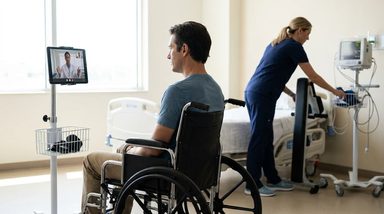
Telehealth Hypnotic Cognitive Therapy Reduces Chronic Pain After Spinal Cord Injury
A randomized trial demonstrates that remote delivery of hypnotic cognitive therapy significantly lowers pain intensity and depression.
-

RNA Interference Normalizes PAI-1 Levels and Prolongs Lifespan in Murine Models
A single dose of siRNA-lipid nanoparticles achieved 90% knockdown of plasma PAI-1, reducing thrombus weight and increasing survival in mice.
-

Triglyceride-Glucose Index Linked to Cognitive Deficits in Depression and Diabetes
A high triglyceride-glucose index correlates with cognitive impairment via inflammatory and tau-related pathways in comorbid patients.
-

Betaine Reverses Placental Hypoxia and Growth Restriction in Mouse Model of Depression
High-dose betaine restores VEGF and BDNF signaling to improve placental vascularity and fetal weight in stressed mice.
-

High-Dose Influenza Vaccine Linked to Lower Alzheimer Risk in Seniors
A retrospective cohort study of 164,797 adults finds high-dose vaccination reduces dementia risk more than standard-dose formulations.