
The Briefing · Psychiatry & Cognitive Neurology
Continuous newsroom coverage of evidence in Psychiatry & Cognitive Neurology — newest first.
Earlier
24 stories-

Diphtheria Toxin Causes Off-Target Neurotoxicity in Mouse Depletion Models
Intracerebroventricular administration of diphtheria toxin induces mortality and brain inflammation regardless of transgene expression.
-

Competition Enhances Risky Decision-Making Performance via Prefrontal Synchrony in Women
A hyperscanning study reveals that competitive social contexts drive better outcomes through specific neural monitoring and control pathways.
-

Psychosocial Screening at Intake Increases Comprehensive Care in Pediatric Psychiatry
Identifying family risk profiles through standardized tools helps clinicians tailor interventions and improve resource allocation for youth.
-

International Consensus Defines Standards for Forensic Mental Health Systems
A Delphi study involving 23 experts establishes 12 guiding principles and 43 core components to unify global forensic psychiatric care.
-

Sleep Apnea Affects Nearly 70 Percent of Former Professional Football Players
Untreated sleep apnea in former athletes is linked to significantly higher rates of depression, anxiety, and cognitive impairment.
-

Machine Learning Identifies Three Subtypes of Comorbid Depression and Anxiety
A 15-feature model using data from 2,951 young adults achieves high predictive accuracy for identifying specific risk and protective profiles.
-

Social Participation Buffers Chronic Depression Risk After Childhood Trauma
A 10-year longitudinal study of 8,141 adults shows sustained social engagement mitigates the psychiatric impact of early-life adversity.
-

Prefrontal Gene Networks Predict Fentanyl Escalation in Rat Models
Researchers identified specific ion channel and synaptic signaling pathways in the prefrontal cortex linked to compulsive opioid intake.
-

Four Distinct Internet Addiction Profiles Identified in Nursing Students
Latent profile analysis reveals that health-related problems and withdrawal symptoms drive severity in high-risk student groups.
-

Childhood Trauma Linked to Altered Mitochondrial Bioenergetics in Adults
Adults with early life adversity show increased mitochondrial respiratory capacity and reduced glycolytic ATP production in immune cells.
-

Creative Adolescents Show Higher Neural Synchrony During Complex Film Viewing
Functional MRI data reveal that highly creative youth exhibit unique attentional alignment when processing non-linear cinematic montage.
-
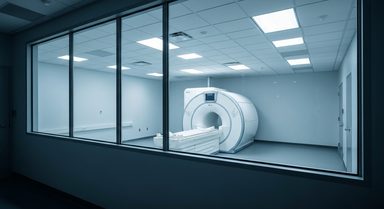
Neural Responses to Reward Uncertainty Linked to Adolescent Anxiety and Anhedonia
Striatal and default network activity during uncertain reward tasks correlates with symptom severity in medication-free adolescents.
-

Kratom Leaf Extract Alleviates Stress-Induced Bladder Dysfunction in Male Mice
Oral mitragynine reduces bladder pain, mast cell infiltration, and muscarinic hyperreactivity in a murine model of chronic stress.
-

Oral Dysbiosis Linked to Systemic Inflammation and Autism Symptoms
Review identifies enrichment of Porphyromonas and Tannerella as potential drivers of neurodevelopmental patterns via the oral-brain axis.
-

Metacognitive Beliefs Condition the Link Between Somatic Symptoms and Health Anxiety
A survey of 564 adults shows anxiety sensitivity only amplifies health anxiety when patients hold high beliefs about their biased thinking.
-

Emotional Trauma Drives Adolescent Alexithymia Through Gender-Specific Pathways
Network analysis of 2,447 adolescents identifies emotional abuse and neglect as primary drivers of specific emotional processing deficits.
-

Injectable Antipsychotics Reduce Hospitalization and Relapse in Bipolar Disorder
A mirror-image study shows paliperidone and aripiprazole long-acting formulations significantly lower psychiatric service use and relapse.
-

Specific Combination Therapies Reduce Hospitalization Risk After Lithium Failure
A large cohort study identifies clozapine and long-acting injectable combinations as effective alternatives for maintenance treatment.
-

Network Connectivity Drives Individual Variation in Emotional Memory
Large-scale fMRI study finds distributed neural networks, not isolated amygdala activity, predict how emotional arousal enhances recall.
-

Pyramidal Cell Hypofunction Predicts Psychosis Conversion in High Risk Patients
Biophysical modeling of auditory biomarkers suggests that excitatory deficits, not interneuron dysfunction, drive the transition to psychosis.
-

Sleep Apnea Prevalence Reaches 69% in Former Professional Football Players
Undiagnosed and untreated sleep apnea significantly correlate with increased pain, anxiety, and cognitive impairment in former athletes.
-

High Exposure Frequency and Male Gender Predict Problematic Pornography Use
Adults who began viewing pornography as minors show higher risk of problematic use linked to exposure frequency rather than sexual attitudes.
-

Transcranial Magnetic Stimulation Reduces PTSD Symptoms in Clinical Cohort
A retrospective study of 127 patients found that 65.4% achieved a clinically meaningful reduction in PCL-5 scores following rTMS treatment.
-

Adolescents at Risk for Bipolar Disorder Show High Self-Harm and Comorbidity Rates
A 12-month study of UK youth finds that those screening positive for bipolar risk receive alternative diagnoses and intensive services.