
The Briefing · Psychiatry & Cognitive Neurology
Continuous newsroom coverage of evidence in Psychiatry & Cognitive Neurology — newest first.
Earlier
24 stories-

Online Therapist-Assisted Program Reduces Posttraumatic Stress in Injured Children
A randomized trial shows a digital cognitive behavioral intervention lowers symptom scores for six months following pediatric hospitalization.
-

Serum Neurofilament Light Chain Tracks Acute Injury in Refractory Status Epilepticus
Elevated NfL levels distinguish cryptogenic NORSE from other seizure etiologies and correlate with poor functional outcomes at discharge.
-

Higher Daily Step Counts Linked to Reduced Bradykinesia and Increased Dyskinesia
Objective wearable data from 80 patients shows a correlation between physical activity and motor symptom trade-offs in Parkinson's disease.
-
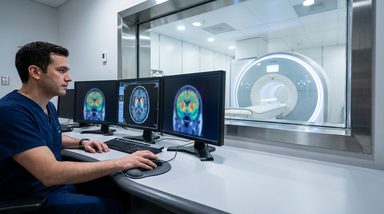
Schizophrenia Subtype Shows Low Striatal Dopamine and Iron Accumulation
A frontotemporal dementia-like phenotype in schizophrenia patients challenges the universal hyperdopaminergic model of the disease.
-

Symptom-Based Dosing Reduces Discharge Time in Neonatal Opioid Withdrawal
A cluster randomized trial shows symptom-based dosing shortens medical readiness for discharge when paired with the Eat, Sleep, Console model.
-

PHQ-9 Scores Conflate Symptom Frequency and Subjective Burden
Longitudinal data shows the depression screening tool captures a general severity signal but lacks precision in distinguishing distress.
-
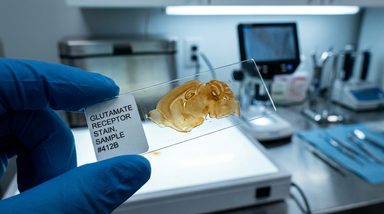
Luvadaxistat Fails to Improve Schizophrenia Cognition in Phase 2 Trial
The ERUDITE study found no significant cognitive benefit from adding the D-amino acid oxidase inhibitor to stable antipsychotic therapy.
-

Blood MicroRNA Signatures Correlate With Hippocampal Volume and Atrophy Rates
Specific microRNA expression patterns in whole blood may serve as early markers for structural brain changes and neurodegenerative risk.
-

Physical Therapy Improves Function More Than CBT in Chronic Low Back Pain
A sequential randomized trial finds physical therapy superior for initial functional gains, though secondary strategies show no difference.
-

Counterconditioning Stabilizes Neural Safety Signals in PTSD
Functional MRI shows pairing threat stimuli with positive outcomes reinforces safety patterns in the ventromedial prefrontal cortex.
-

Subjective Cognitive Deficits Predict Poor Antidepressant Response in MDD
Smartphone-based monitoring of patient-reported cognitive dysfunction identifies outpatients at risk for suboptimal treatment outcomes.
-

Social Media Addiction Linked to Hopelessness and Anhedonia in Youth
Network analysis identifies mood modification and conflict as key bridge symptoms connecting digital addiction to clinical distress.
-

Exercise Linked to Greater Mortality Reduction in Depressed Older Adults
A cohort study of 5323 seniors shows that physical activity provides a 32% mortality risk reduction for those with depressive symptoms.
-

Hypochondriasis Risk Increases with Genetic Relatedness in Large Cohort
A Swedish study of 5.8 million people finds full siblings of patients have a ninefold higher risk of health anxiety.
-

Low-Value Evaluation Increases Decision Thresholds and Neural Conflict in Choice Tasks
Shifting focus toward negative attributes slows evidence accumulation and increases attentional demand without altering final outcomes.
-

Shared Mitochondrial Pathways Identified Across 23 Neurodevelopmental Risk Genes
Researchers used CRISPR to map how diverse genetic mutations converge on common molecular targets, allowing for drug testing in animal models.
-

Virtual Reality and Sleep Metrics Improve Mild Cognitive Impairment Detection
Combining motion tracking and sleep quality data achieves 86.8% sensitivity in identifying patients with early cognitive decline.
-
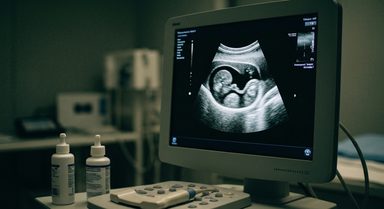
Restarting Antidepressants During Pregnancy Linked to Missed Prenatal Ultrasounds
A Swiss cohort study finds women who resume medication after discontinuation have a 22-fold higher risk of skipping routine screenings.
-

Explainable AI Identifies Cortical Asymmetry to Detect Major Depression
A deep learning model using fNIRS data achieves 81% accuracy by mapping hemodynamic imbalances in the dorsolateral prefrontal cortex.
-
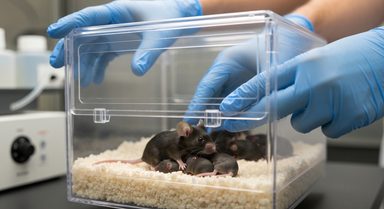
Prenatal THC and Stress Synergistically Impair Maternal Care and Offspring Neurodevelopment
A mouse study finds combined prenatal exposures disrupt adolescent gene expression and behavior in a sex-specific manner.
-
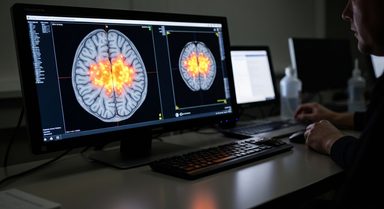
Pitch Gestures Increase Prefrontal Activation During Mandarin Tone Sandhi Perception
Training with physical gestures strengthens functional connectivity in the left dorsolateral prefrontal cortex to improve auditory discrimination.
-

Mouse Study Identifies ACC Genetic Networks Driving Pain-Induced Anxiodepression
A regulatory axis involving five hub mRNAs and specific synaptic signaling pathways in the anterior cingulate cortex mediates mood shifts.
-

Bilateral Intraparietal Sulcus Coordinates Planning and Observation of Manual Tasks
Functional MRI reveals a shared neural hub for executing and observing complex actions, suggesting a unified model for motor control.
-

Remimazolam Impairs Thalamic Auditory Gating During Recovery in Mouse Models
Dysfunction in the thalamic reticular nucleus leads to sensory hypersensitivity and rebound neuronal enhancement following anesthesia.