
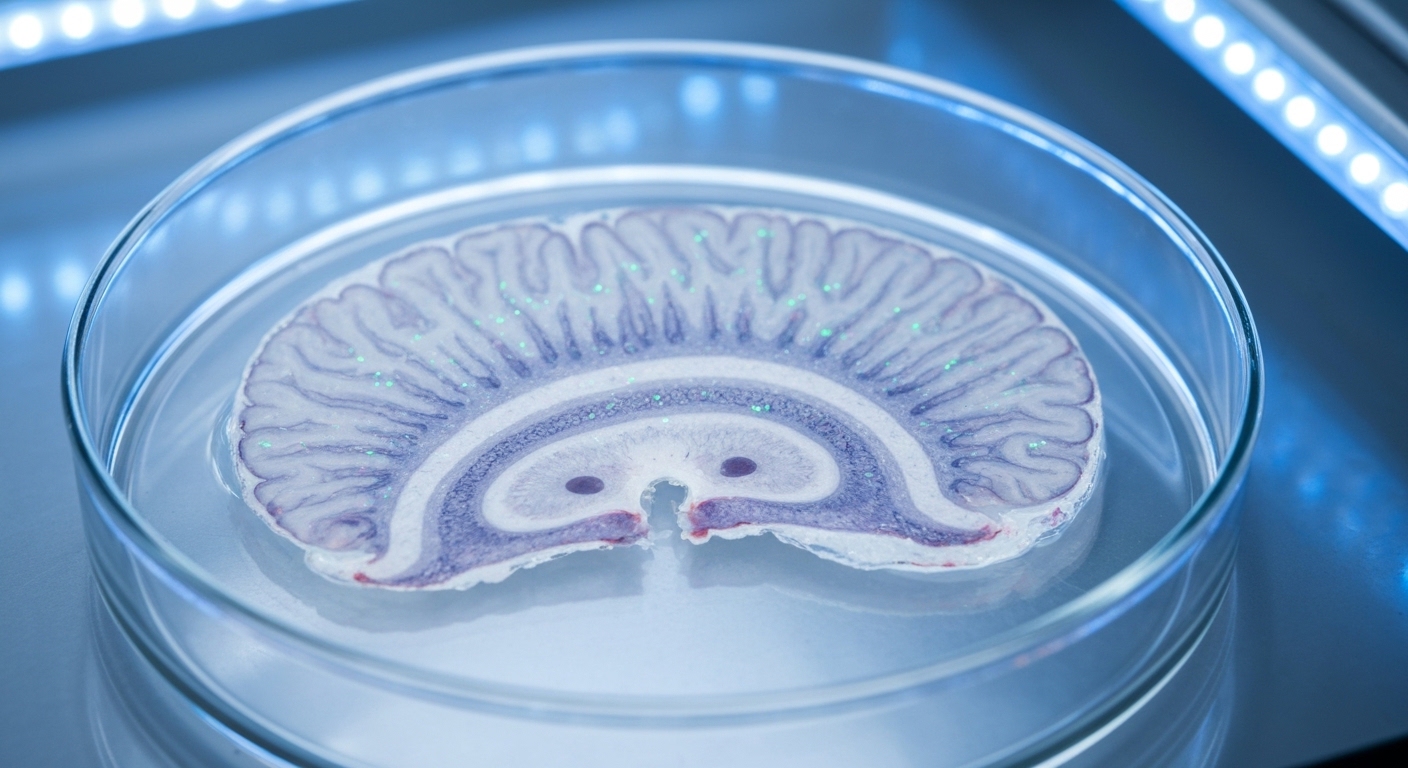
GABAA Gain-of-Function Mutation Triggers Seizures via Interneuron Network Collapse in Mice
A study of the GABRB3 p.(Glu77Lys) variant reveals how enhanced inhibitory signaling paradoxically drives cortical hyperexcitability.
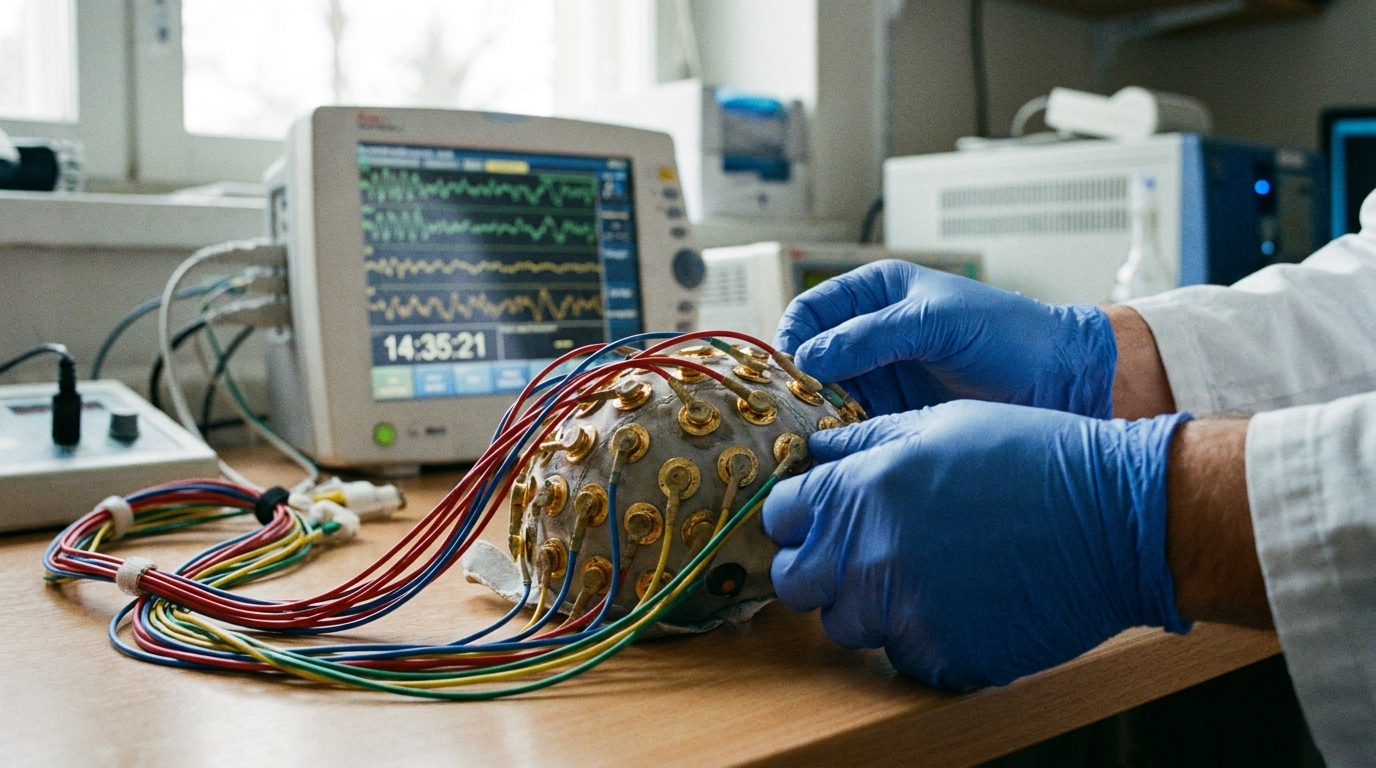
Preoperative Beta Connectivity Predicts Delirium Risk in Older Surgical Patients
A multicenter study finds reduced brain network communication at baseline identifies vulnerability, though EEG patterns recover by 3 months.

Genetic Factors Drive Association Between Infections and Tic Disorder Risk
A Swedish cohort study of 3.8 million people suggests shared genetic pleiotropy links infection history to Tourette syndrome risk.
Telehealth Interdisciplinary Care Reduces Symptoms in Persistent Post-Concussion Syndrome
A single-case experimental study shows remote delivery of multi-modal rehabilitation improves functional goals and symptom severity.

Childhood Cognitive Control Predicts Adult Tic Remission and Income
Early executive function measures in children with Tourette syndrome correlate with clinical and socioeconomic success 11 years later.
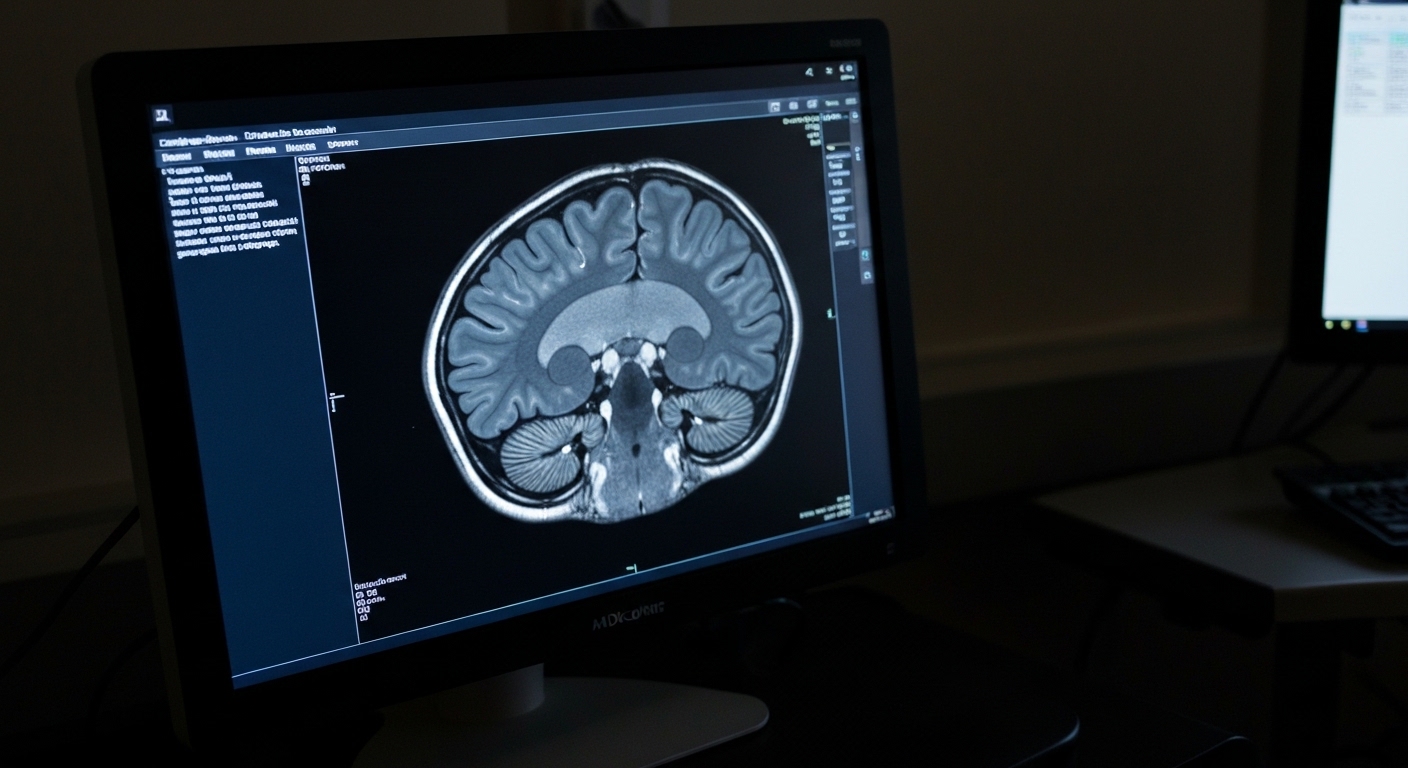
Standard Activity Guidelines Better Preserve Hippocampal Volume Than HIIT in Older Adults
A nine-year study finds that baseline fitness and moderate activity provide more durable neuroprotection than high-intensity training.

Eleven-Protein Plasma Panel Identifies Parkinson’s Disease Across Four Cohorts
A machine learning model using 11 plasma proteins differentiated Parkinson’s from other neurological conditions with high accuracy.
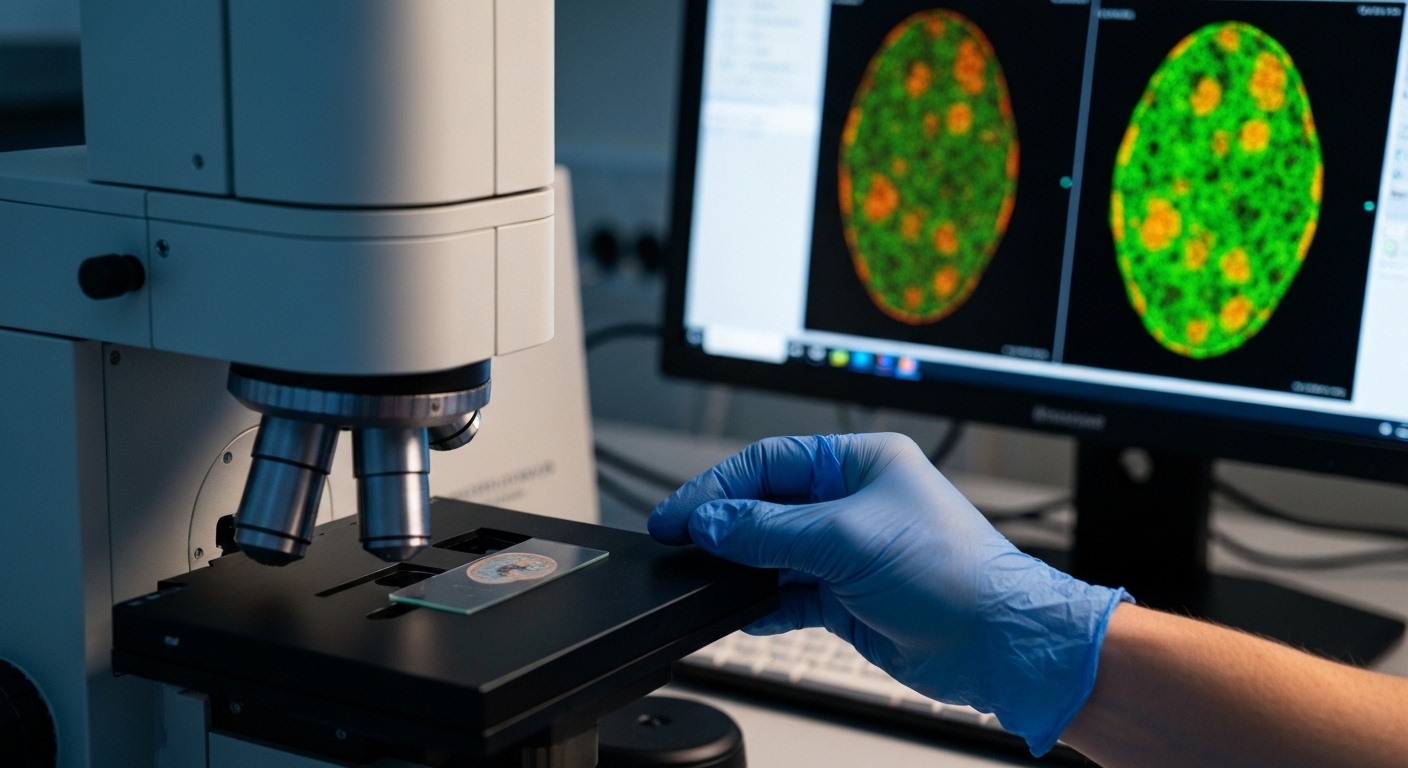
Hypothalamic Astrocytes Drive Dexmedetomidine Sedation via Calcium Signaling in Mice
Researchers identified a specific astrocytic pathway that modulates inhibitory GABA currents to facilitate pharmacological sedation.

Bedside AI Analyzes EEG to Predict Cardiac Arrest Outcomes
A deep learning tool integrated into ICU monitors provides continuous prognostic trajectories for comatose patients within 36 hours.
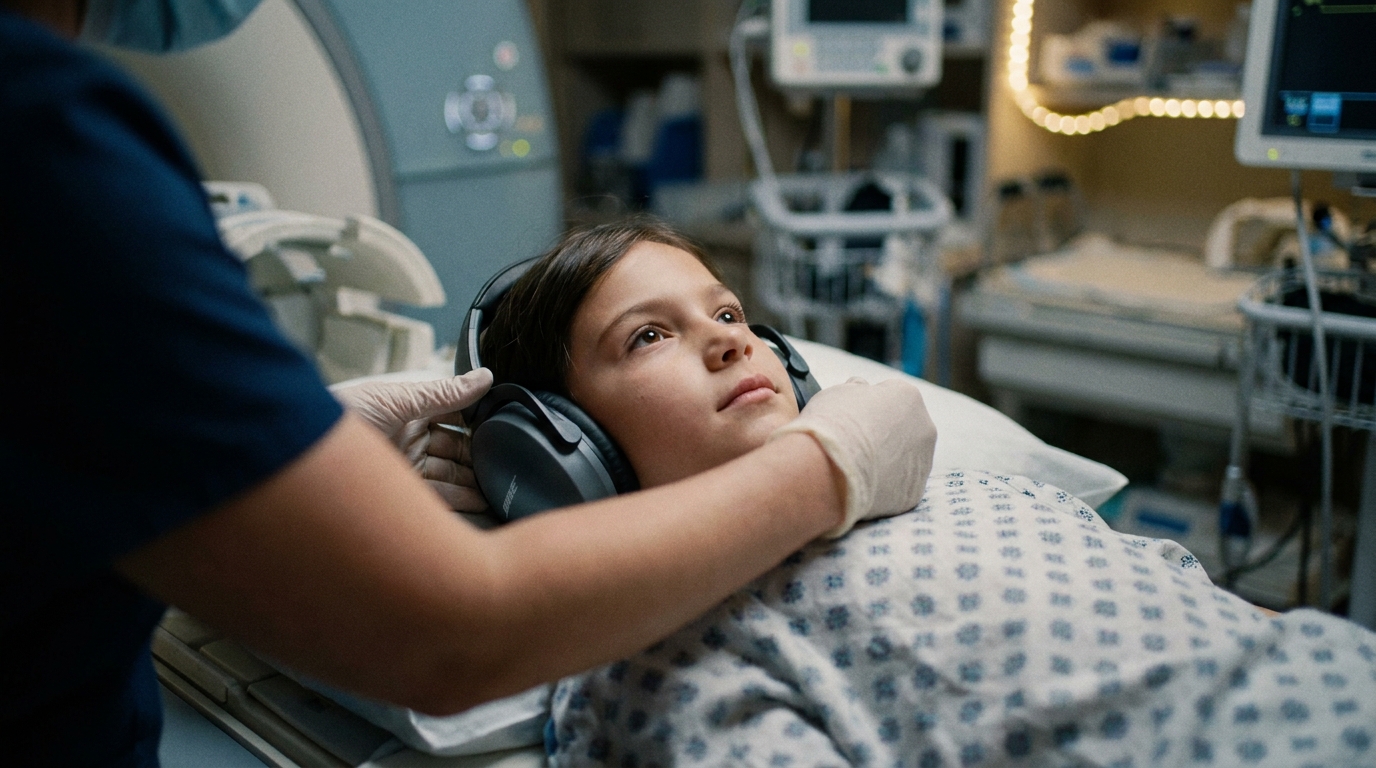
Pediatric HIV Linked to Reduced Auditory Cortex Activation Despite Normal Hearing
Functional MRI reveals central auditory processing deficits in children with HIV that may bypass standard clinical audiometry.
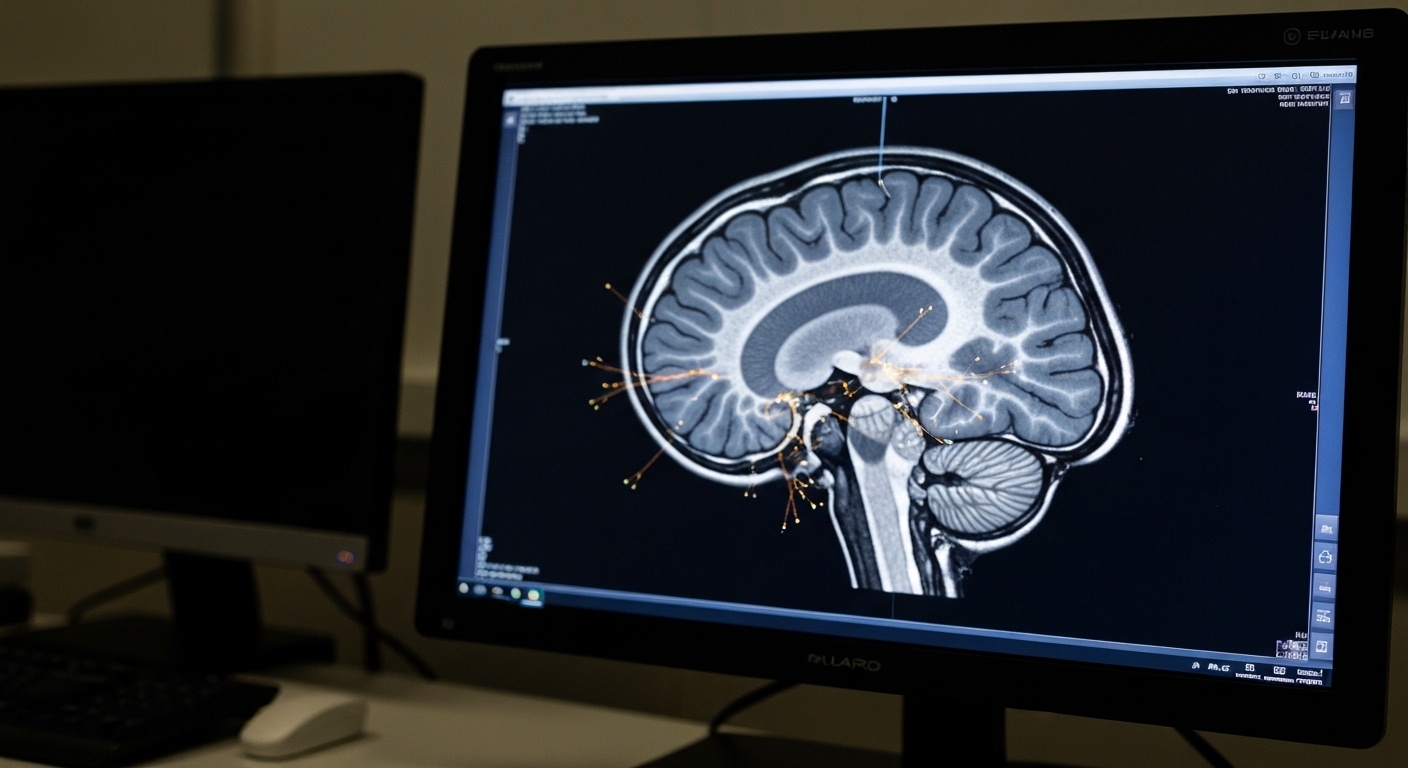
Baseline Connectivity Predicts Anxiety Improvement in Prefrontal TMS Trial
Pre-treatment neural architecture, rather than post-stimulation connectivity changes, correlates with clinical recovery in patients.

Acute Neurological Symptoms Predict Mortality in Heat-Related Illness
A Japanese study of 2,961 patients finds that impaired consciousness and seizures increase the risk of in-hospital death sevenfold.