
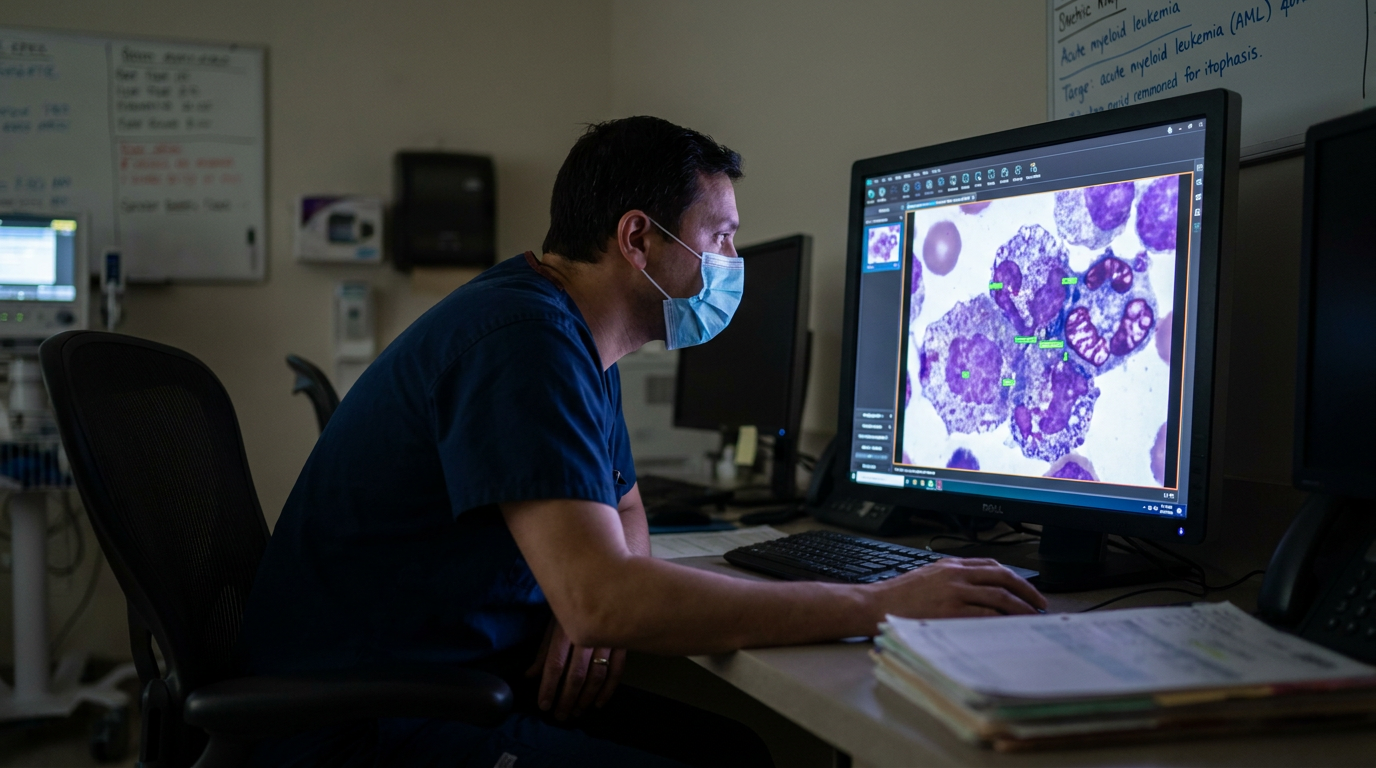
Waveform-Derived 60-Second ROSC Definition Accurately Identifies Transient Events
A prospective validation study confirms a specific defibrillator waveform criterion reliably detects transient return of spontaneous circulation.
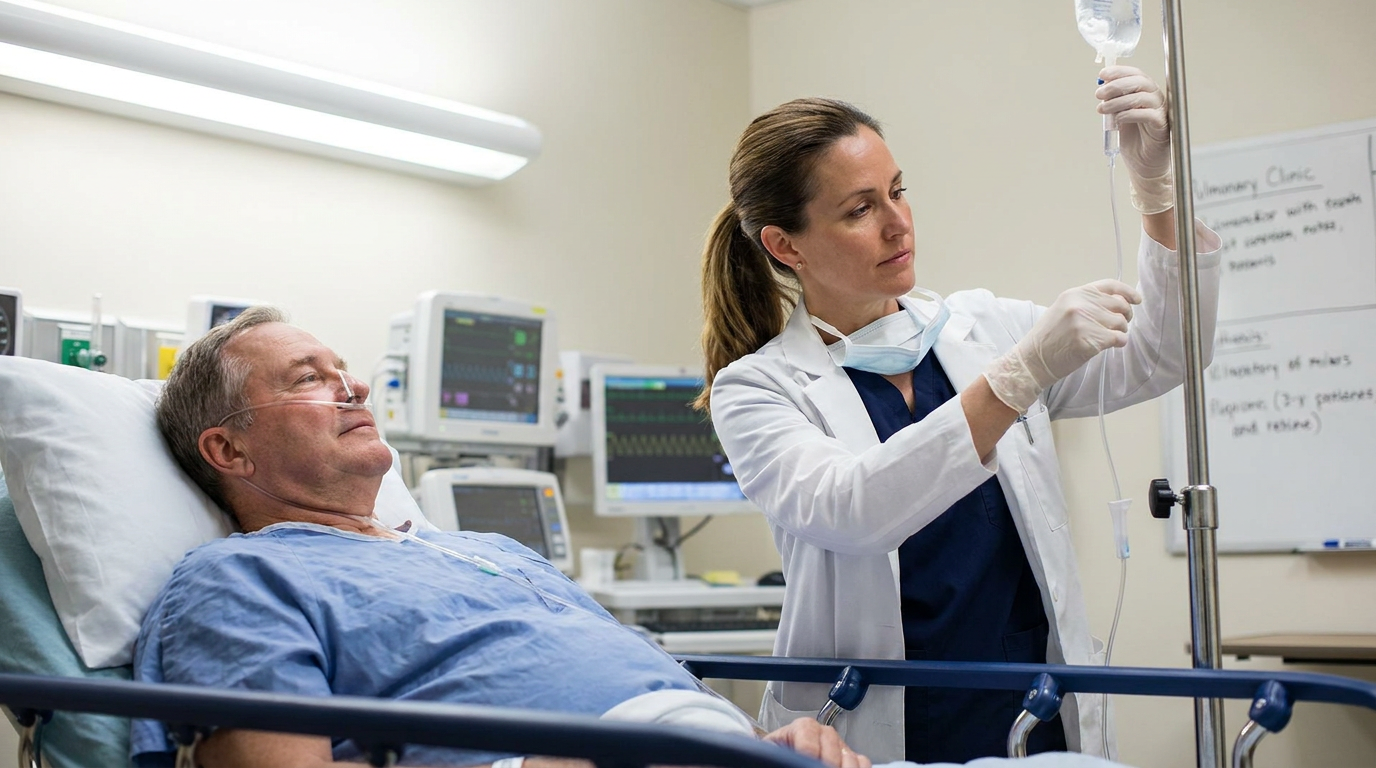
AI Algorithm Continuously Monitors Inspiratory Muscle Effort, Patient-Ventilator Synchrony
A new AI algorithm offers a noninvasive, real-time method for assessing inspiratory muscle pressure and detecting dyssynchronies in mechanically…
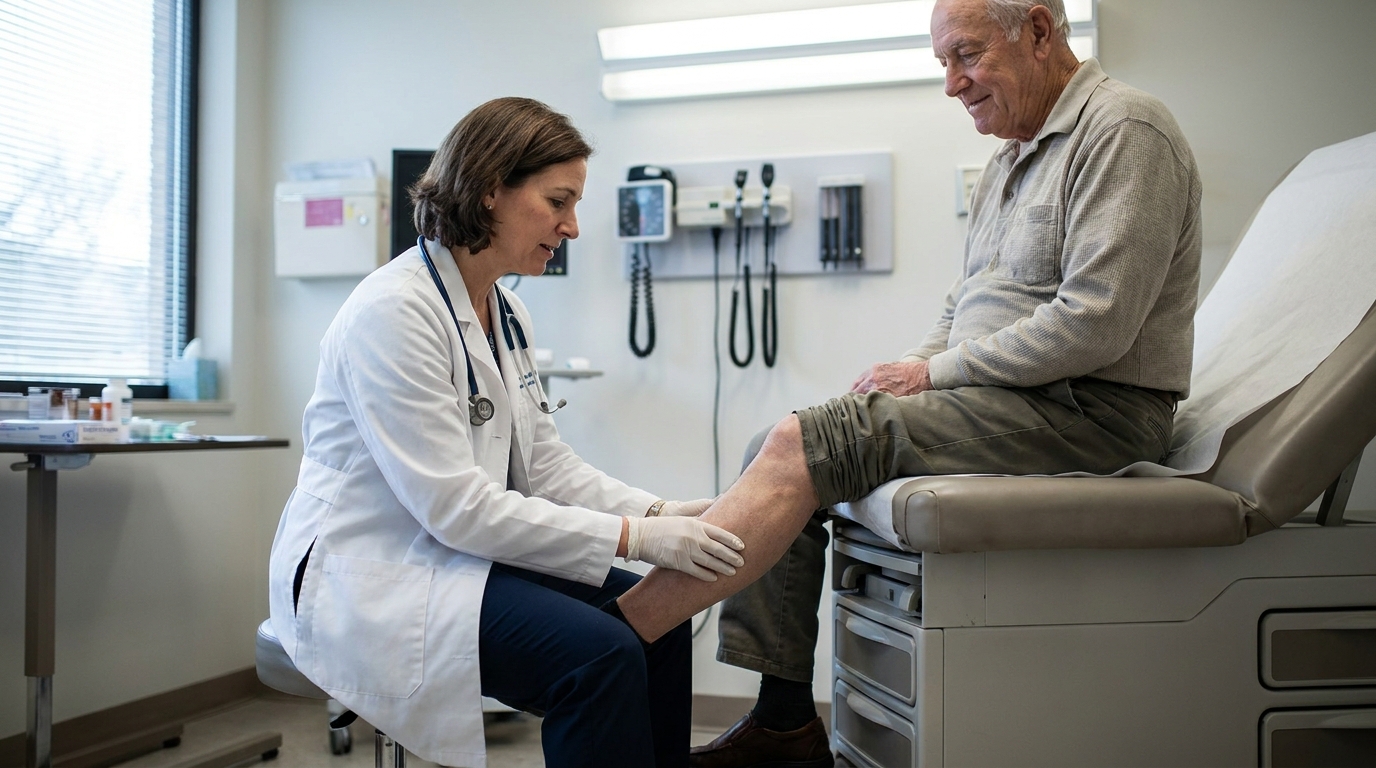
Muscle Cramp Impact Index Validated for Multidimensional Symptom Assessment
A new 14-item tool measures how muscle cramps interfere with sleep and daily life across neuromuscular, renal, and hepatic conditions.
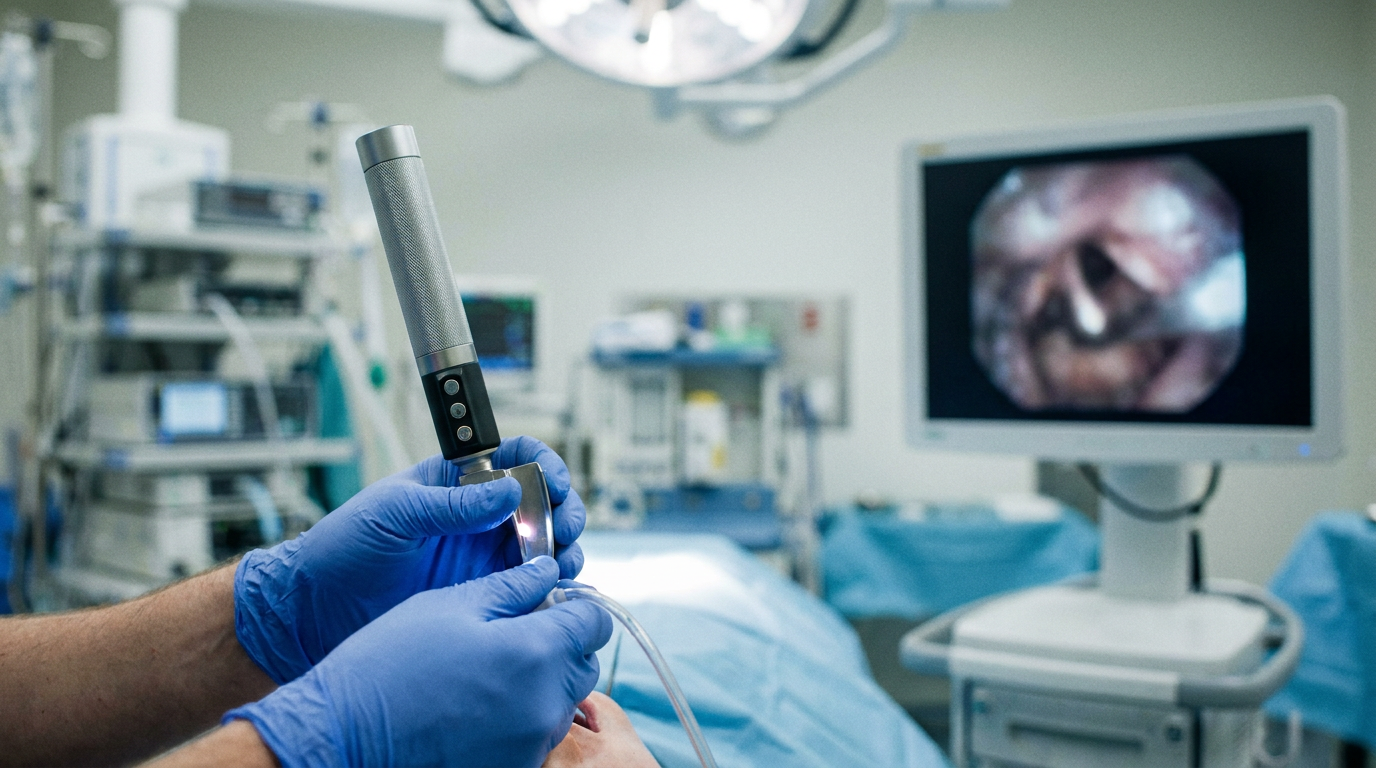
POGO Score Shows Limited Diagnostic Value in Pediatric Videolaryngoscopy
A study of 904 pediatric intubations found the POGO score performed poorly in classifying difficult airways and predicting adverse events.

Anterior Temporal Atrophy Precedes Semantic Dementia Symptoms by Five Years
Large-scale MRI analysis identifies a prolonged prodromal phase and quantifies the prevalence of incidental anterior temporal lobe loss.
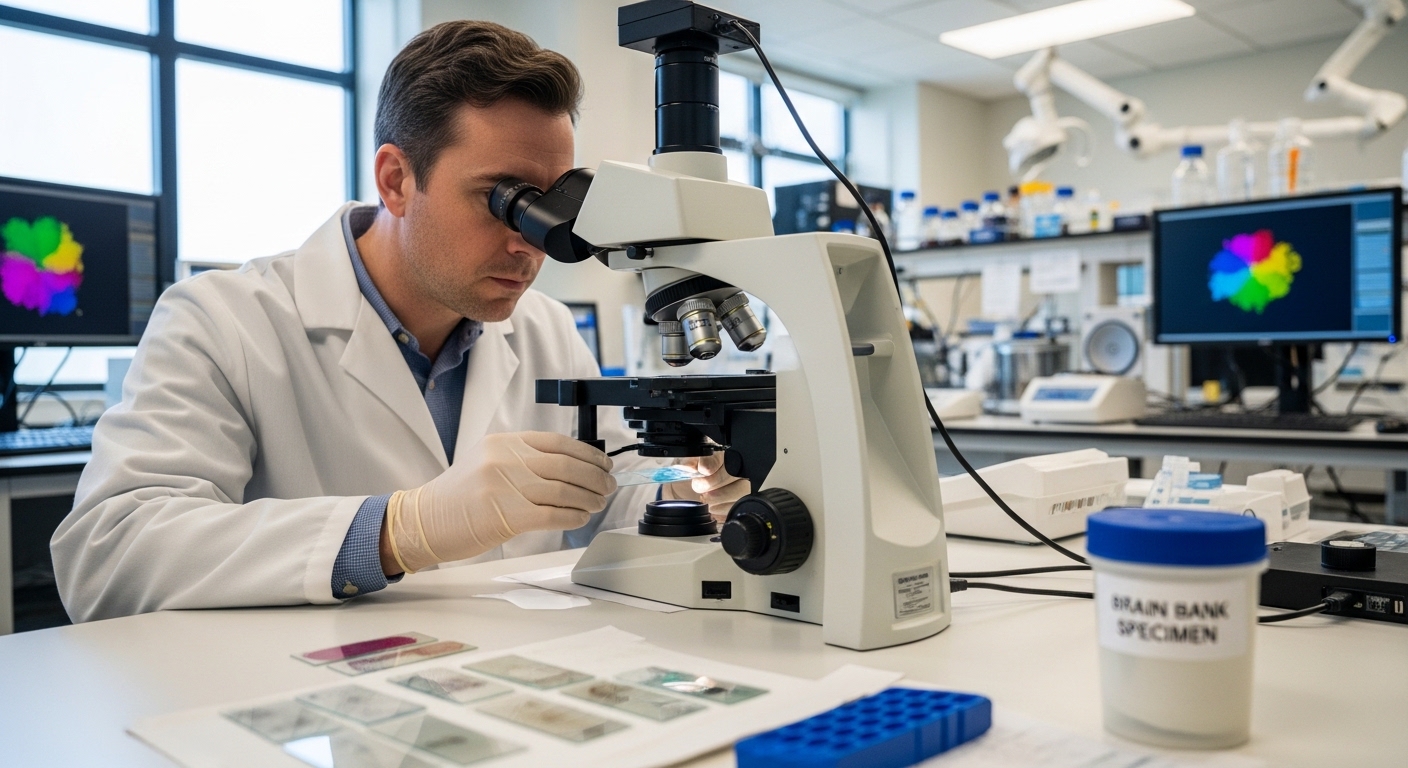
TES Criteria Show Low Accuracy for CTE-NC Diagnosis
A study of 1,038 brain bank cases reveals that traumatic encephalopathy syndrome criteria poorly predict postmortem chronic traumatic encephalopathy.
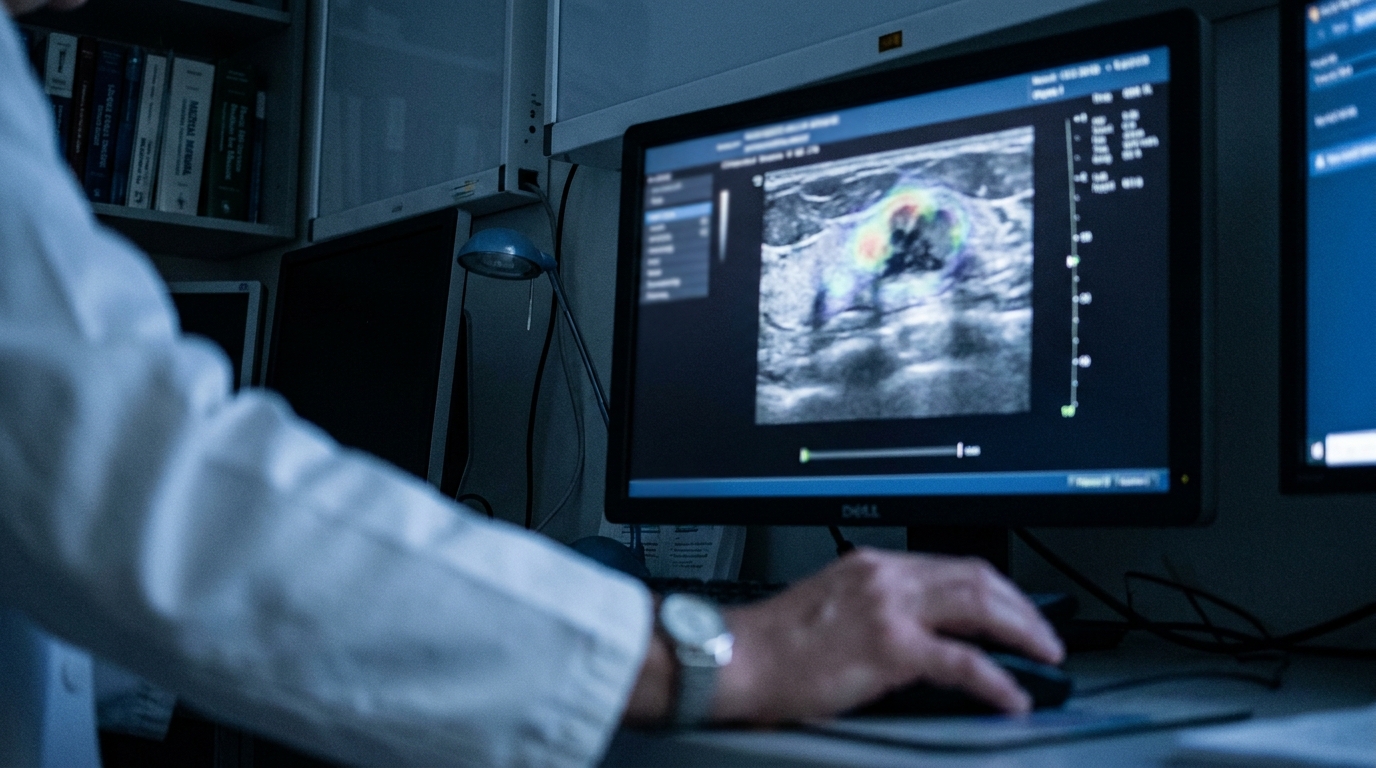
Deep Learning Model Predicts Ki-67 Status and Metastatic Risk via Ultrasound
A multicenter study shows a noninvasive model identifies high-risk breast cancer features and predicts early recurrence with high accuracy.
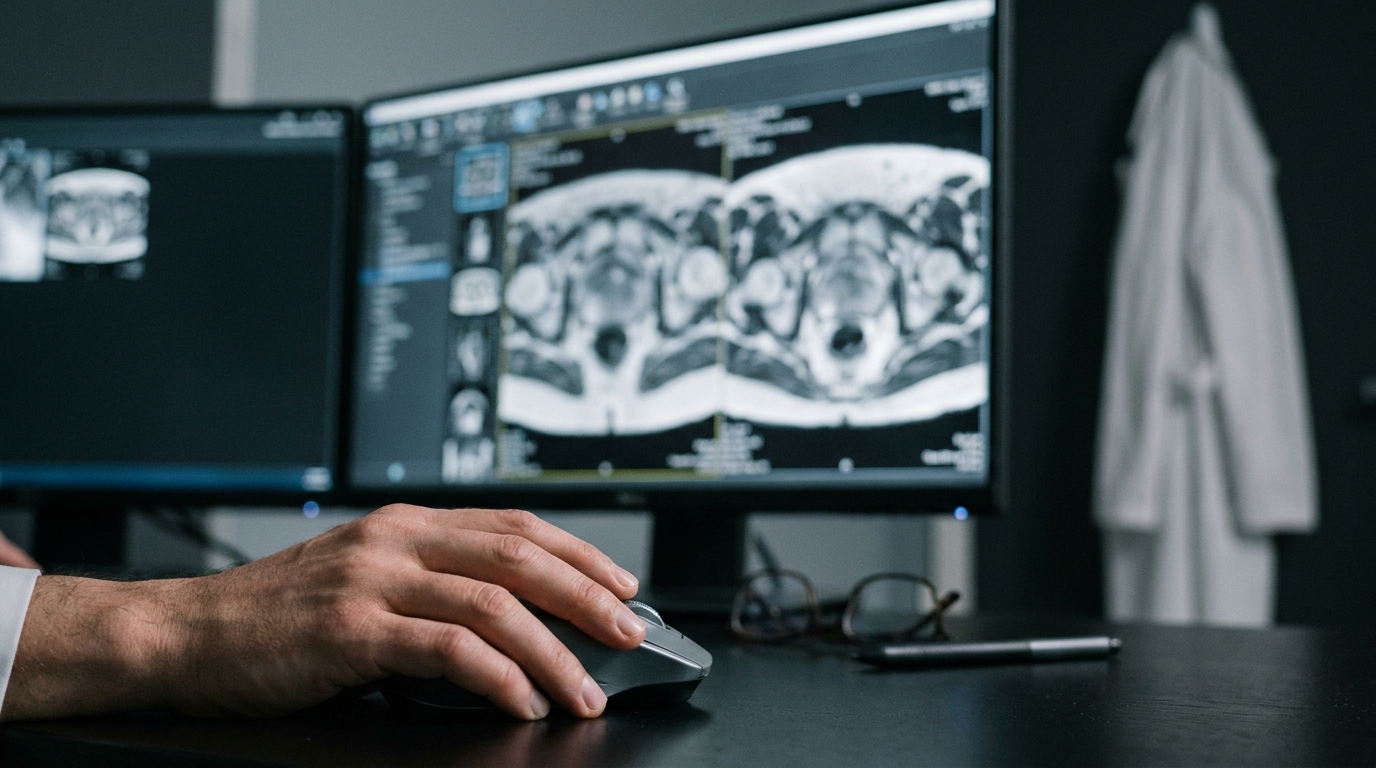
PRECISE MRI Scoring Predicts Histological Progression in Prostate Cancer Surveillance
A multicenter study of 1,667 patients validates the PRECISE system for identifying disease progression and reducing unnecessary biopsies.
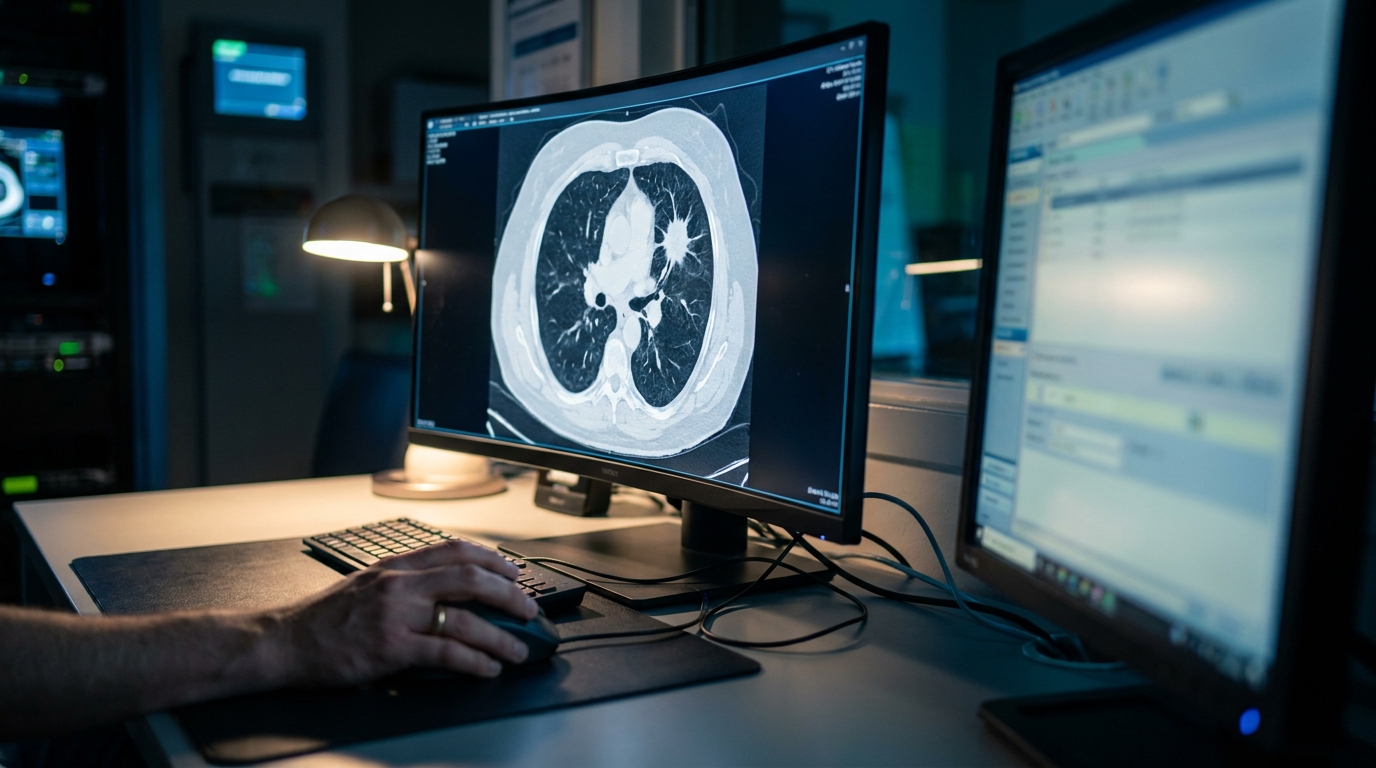
SMART Model Matches Radiologists in Differentiating New Lung Malignancies
A CT-based tool using semantic features like emphysema and spiculation helps distinguish second primary lung cancers from metastases.

Systematic Vagus Nerve Stimulation Increases Sensitivity for Detecting Vocal Cord Palsy
Adding a final vagal check after thyroid dissection achieved 100% sensitivity for nerve injury, identifying cases missed by distal testing.
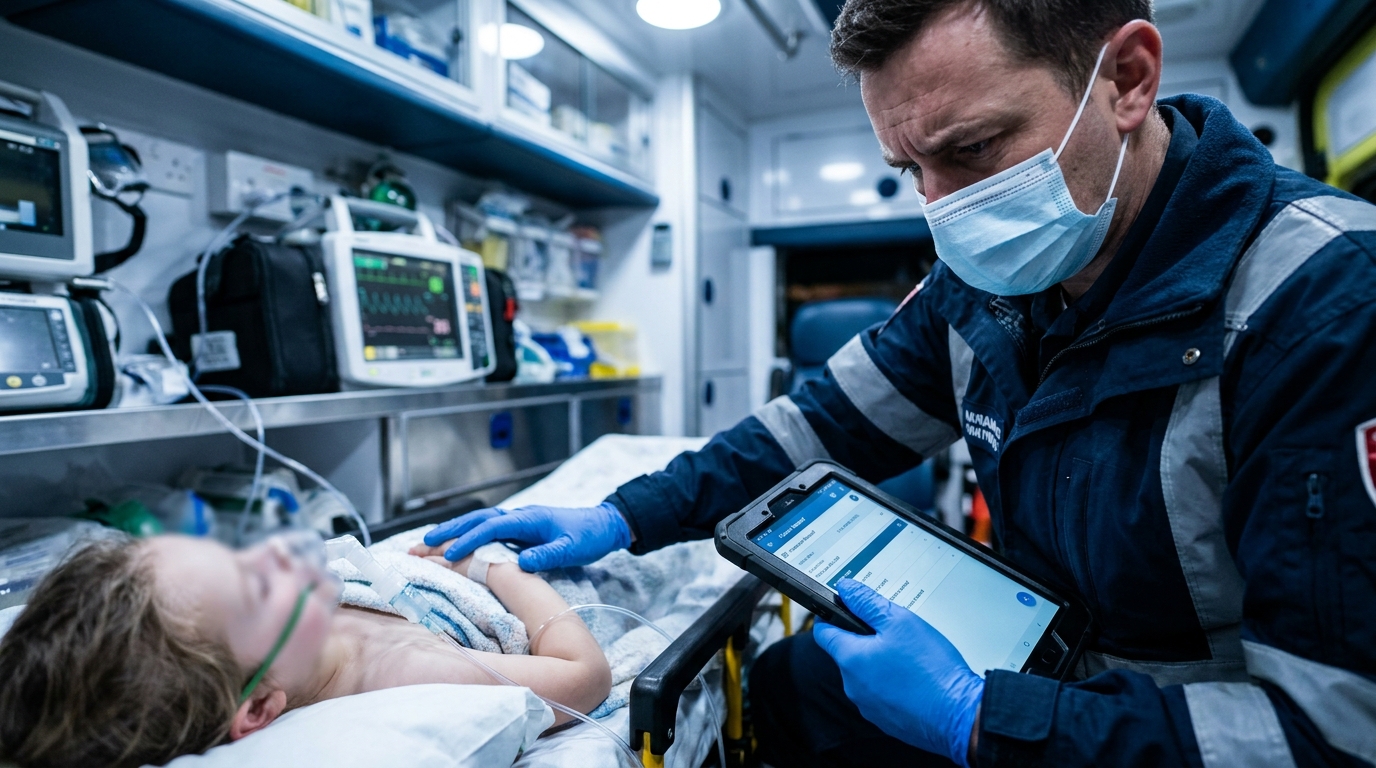
AI Protocol Support Shows 75% Accuracy in Simulated Prehospital Emergencies
A simulation study using Gemini 2.5 Flash found significant gaps in pediatric cardiac arrest recommendations despite overall accuracy.
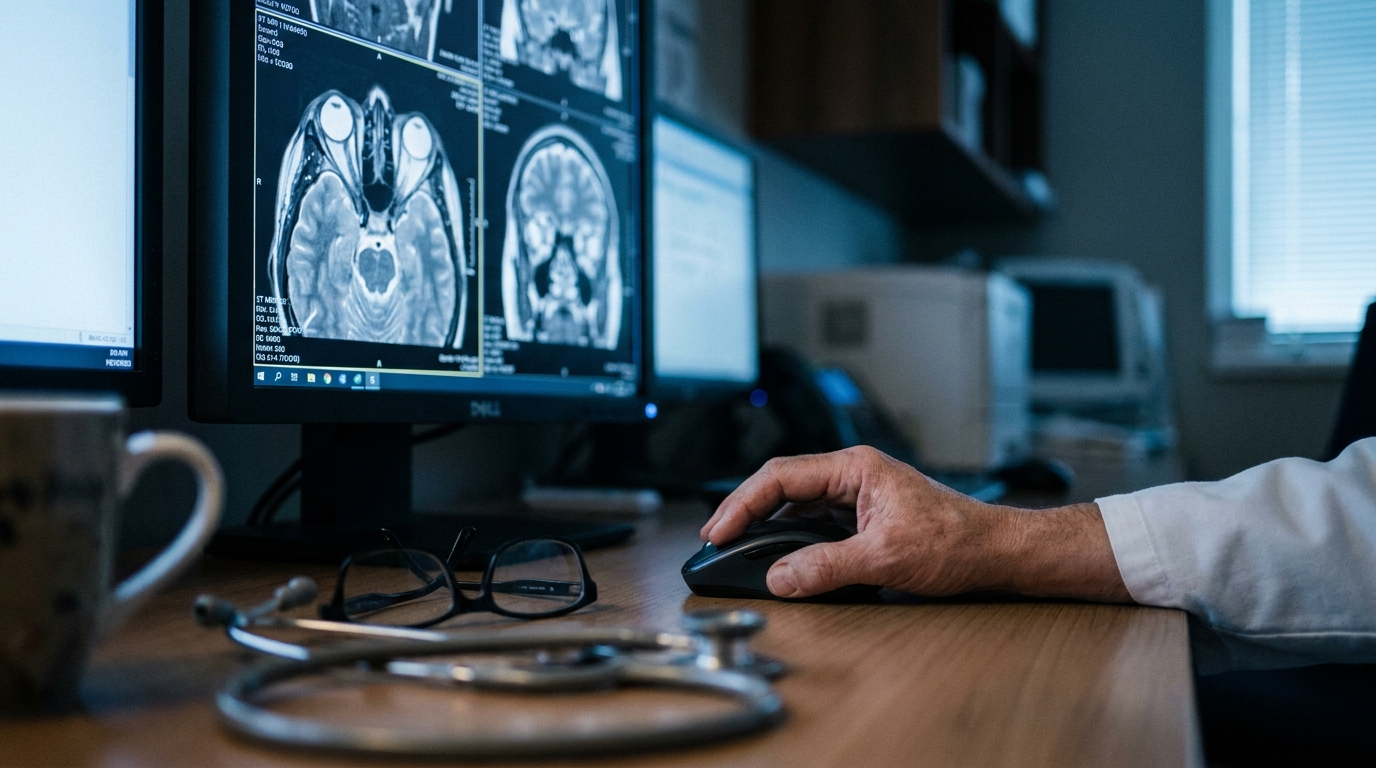
Automated MRI Analysis Accurately Grades Thyroid Eye Disease Severity
A deep learning framework integrates volumetric and functional MRI data to distinguish mild from moderate-to-severe orbital involvement.