
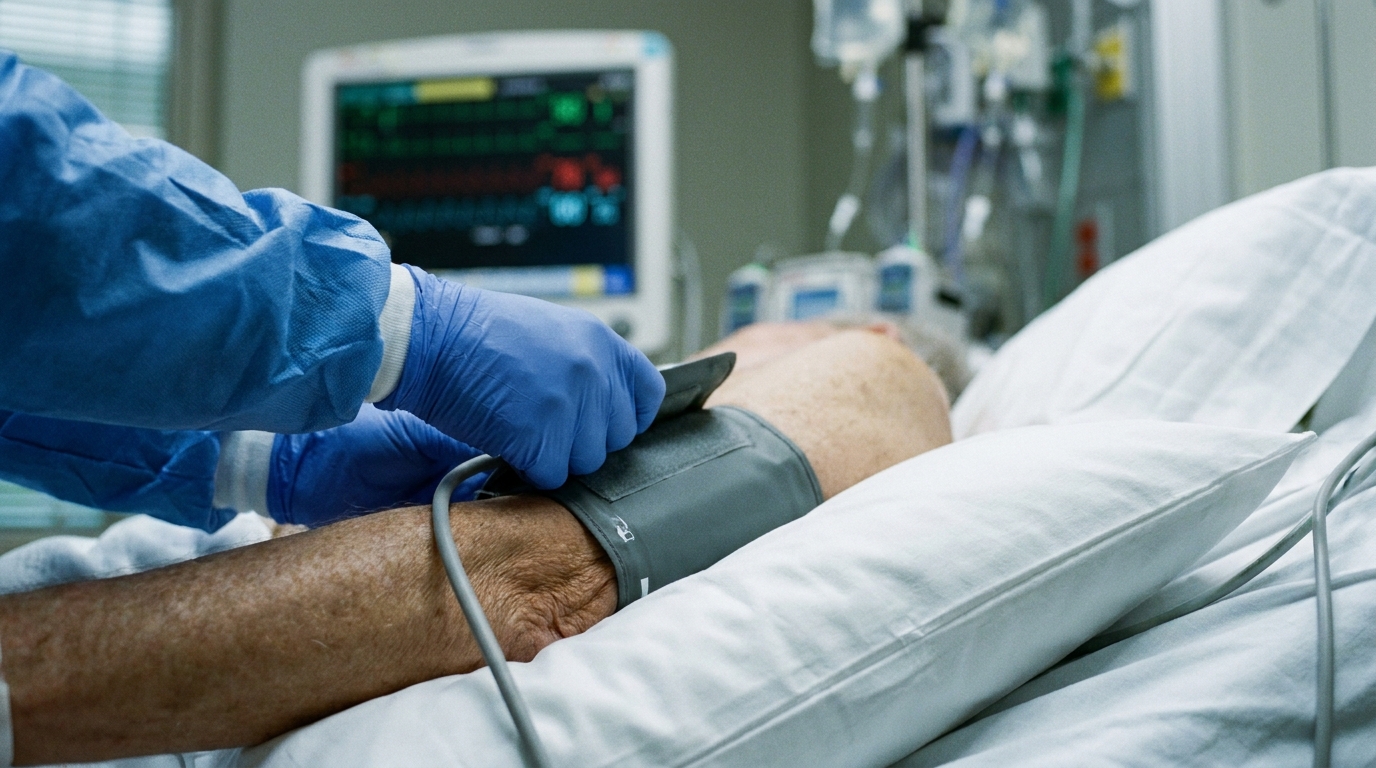
Post-Thrombectomy Blood Pressure Drops Linked to Increased Disability
Systolic decreases of 40 mm Hg or more within 24 hours of successful recanalization correlate with worse functional recovery.

APT-Sepsis Program Lowers Maternal Infection Mortality and Morbidity
A cluster-randomized trial of 431,394 women shows a 32% reduction in severe infection-related outcomes using a standardized care bundle.
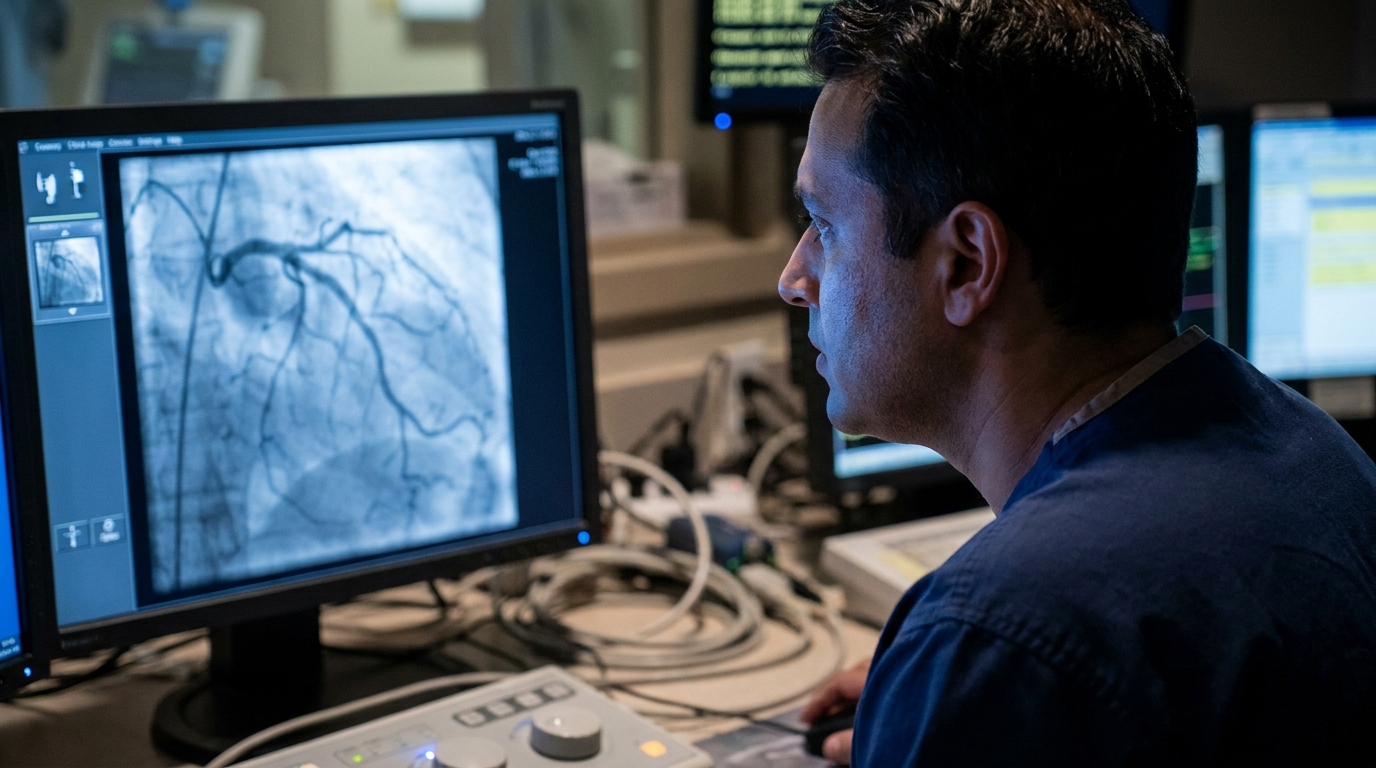
Delayed Angiography Safe in Cardiac Arrest Without ST-Segment Elevation
Five-year COACT trial data show no survival difference between immediate and delayed coronary angiography for resuscitated patients.
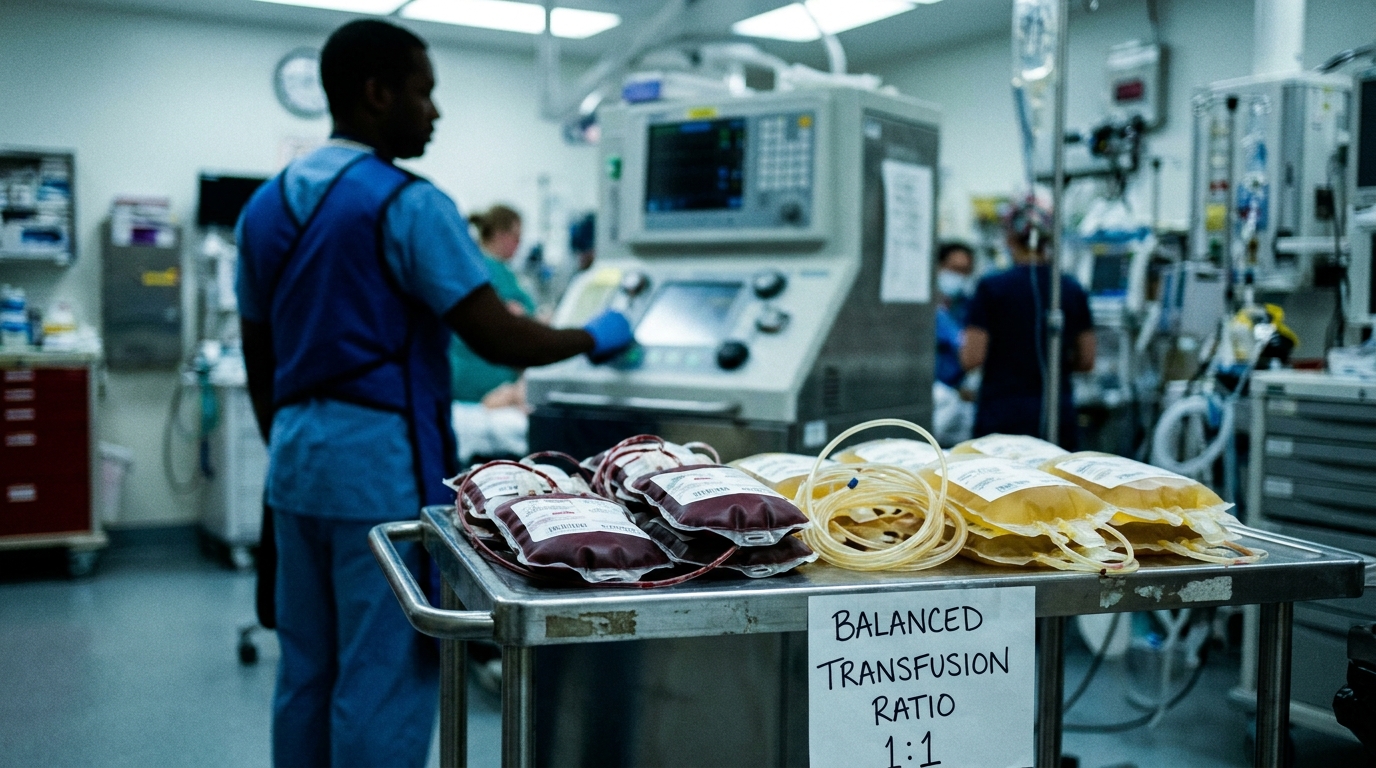
Balanced Transfusion Reduces Trauma Mortality After Six Red Cell Units
A 4,858-patient analysis identifies the specific volume thresholds where 1:1 plasma ratios significantly improve survival in hemorrhage.

Advanced Pre-hospital Procedures Increase Scene Time by 41 Percent
A 20-year analysis of physician-led air ambulance data shows that each additional field intervention significantly delays hospital transfer.
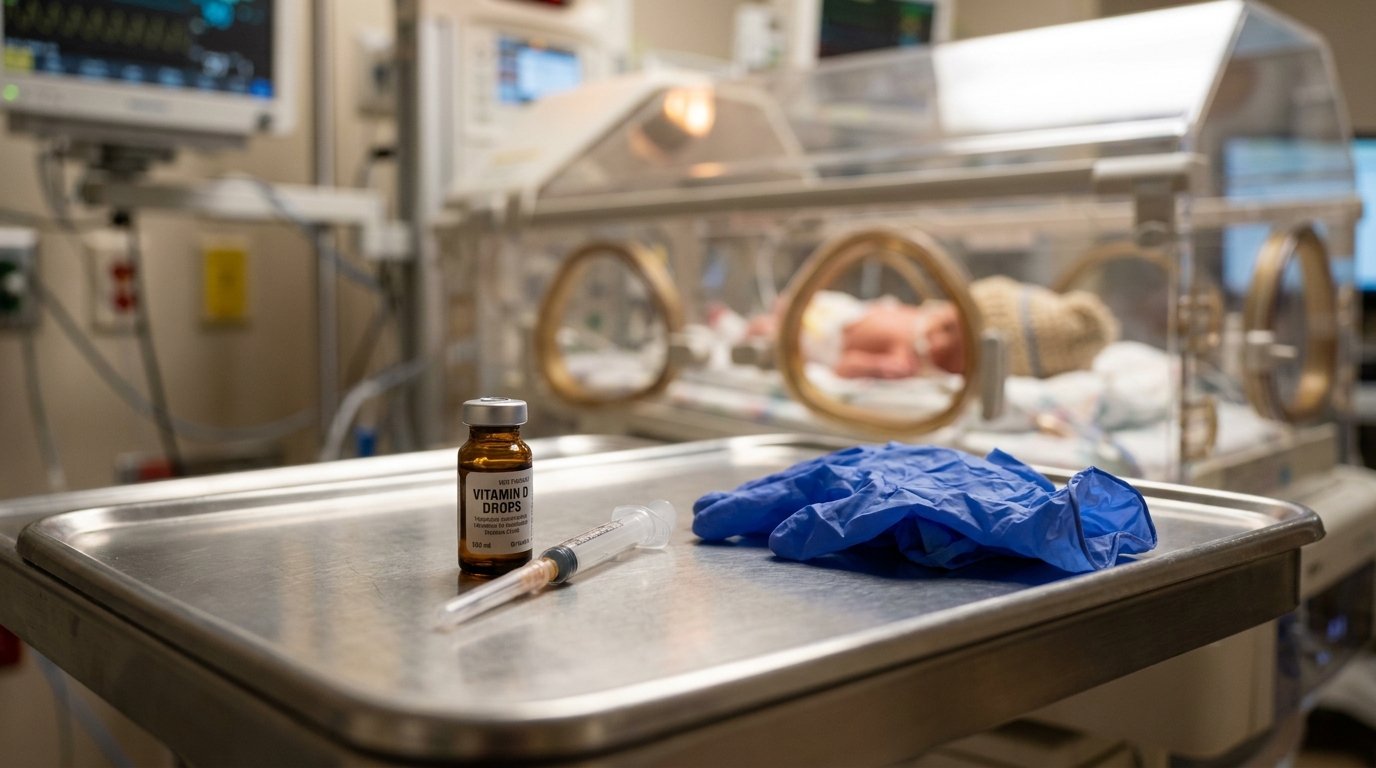
Early Probiotics Reduce Mortality in Extremely Preterm Infants
A Norwegian registry study of 1,596 neonates finds early probiotic use lowers death risk and may reduce surgical necrotizing enterocolitis.

Simple Thoracostomy Shows Higher Success Rate Than Needle Decompression in Cadavers
A crossover study using fresh human cadavers found that simple thoracostomy achieved faster and more complete pleural decompression.

Trauma Center Type Does Not Predict Outcomes in Pediatric Liver Injury
A national TQIP analysis finds that facility verification status does not independently influence intervention rates or mortality.
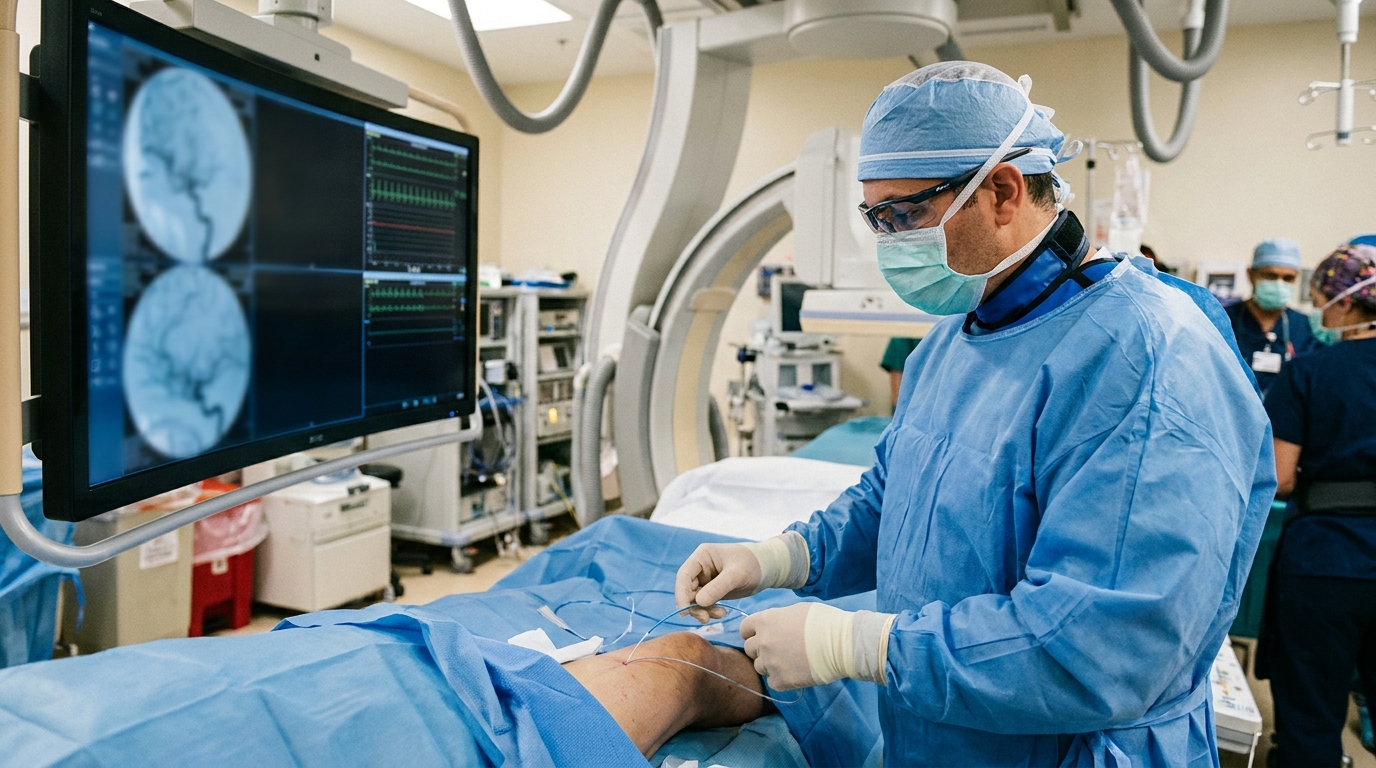
Middle Meningeal Artery Embolization Reduces Subdural Hematoma Recurrence
Adjunctive embolization after surgery lowered symptomatic recurrence from 28% to 4.3% in a randomized trial of 186 patients.

Early IL-6 Levels Predict Sepsis-Induced Coagulopathy with High Specificity
Day 1 interleukin-6 concentrations above 5,571 pg/mL identify patients at high risk for disseminated intravascular coagulation.
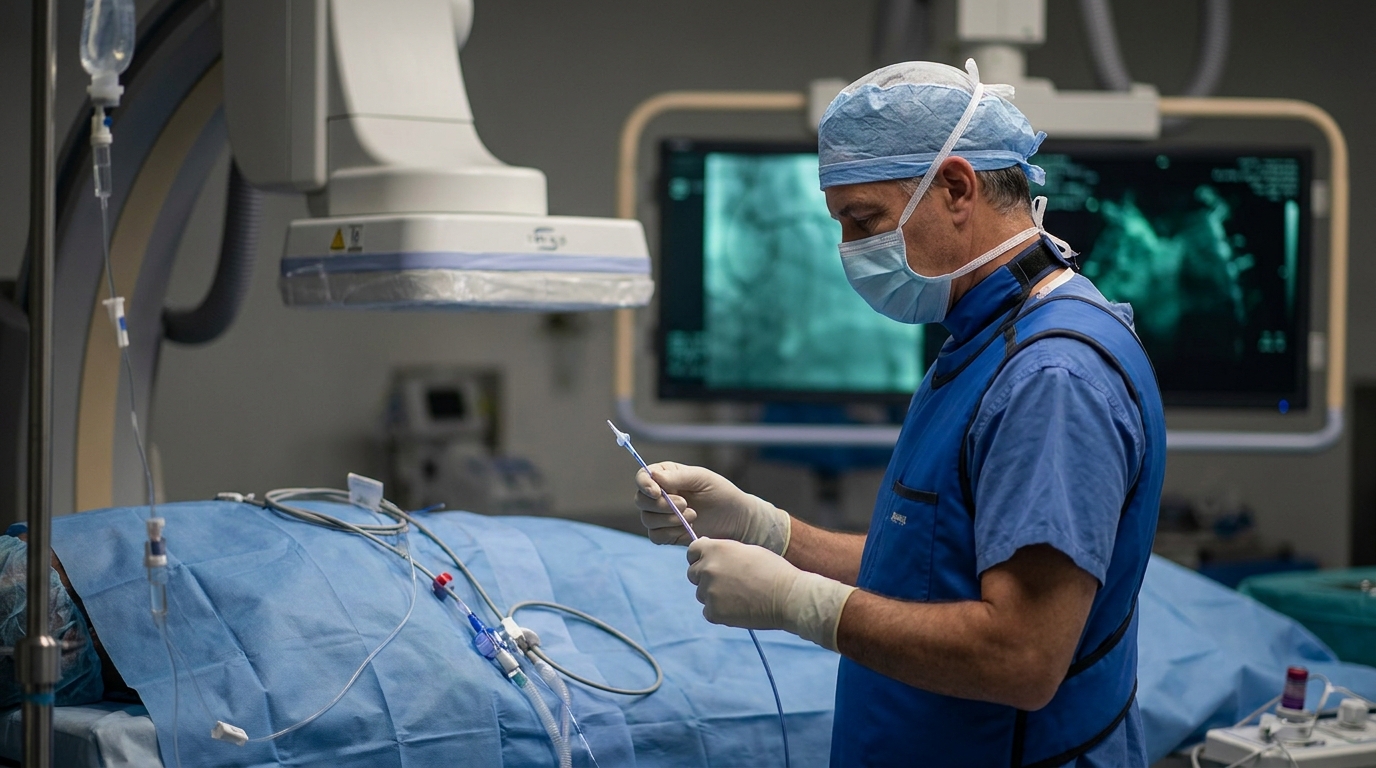
IVUS Guidance Reduces Target Vessel Failure in Complex Bifurcation PCI
A randomized trial shows IVUS-guided optimization more than halves the 1-year risk of failure in complex double kissing crush procedures.

Automated Model Predicts Surgical Complications Across 14 Health Systems
A multicenter analysis of 508,097 encounters shows high accuracy in predicting ICU admission, kidney injury, and in-hospital mortality.