

Genetic Diagnosis and Multisuture Fusion Predict Chiari Risk in Lambdoid Synostosis
Longitudinal data suggest routine MRI screening is unnecessary for isolated unilambdoid synostosis but essential for multisuture cases.

Arteriovenous Access Shows Lower Mortality Risk Than Catheters in Hemodialysis
A study of 146,967 patients suggests the survival gap between access types may stem from baseline health rather than the access itself.

CSF Outflow Resistance and Callosal Angle Predict iNPH Shunt Outcomes
Elevated fluid resistance and preserved preoperative cognition correlate with sustained functional gains after ventriculoperitoneal shunting.
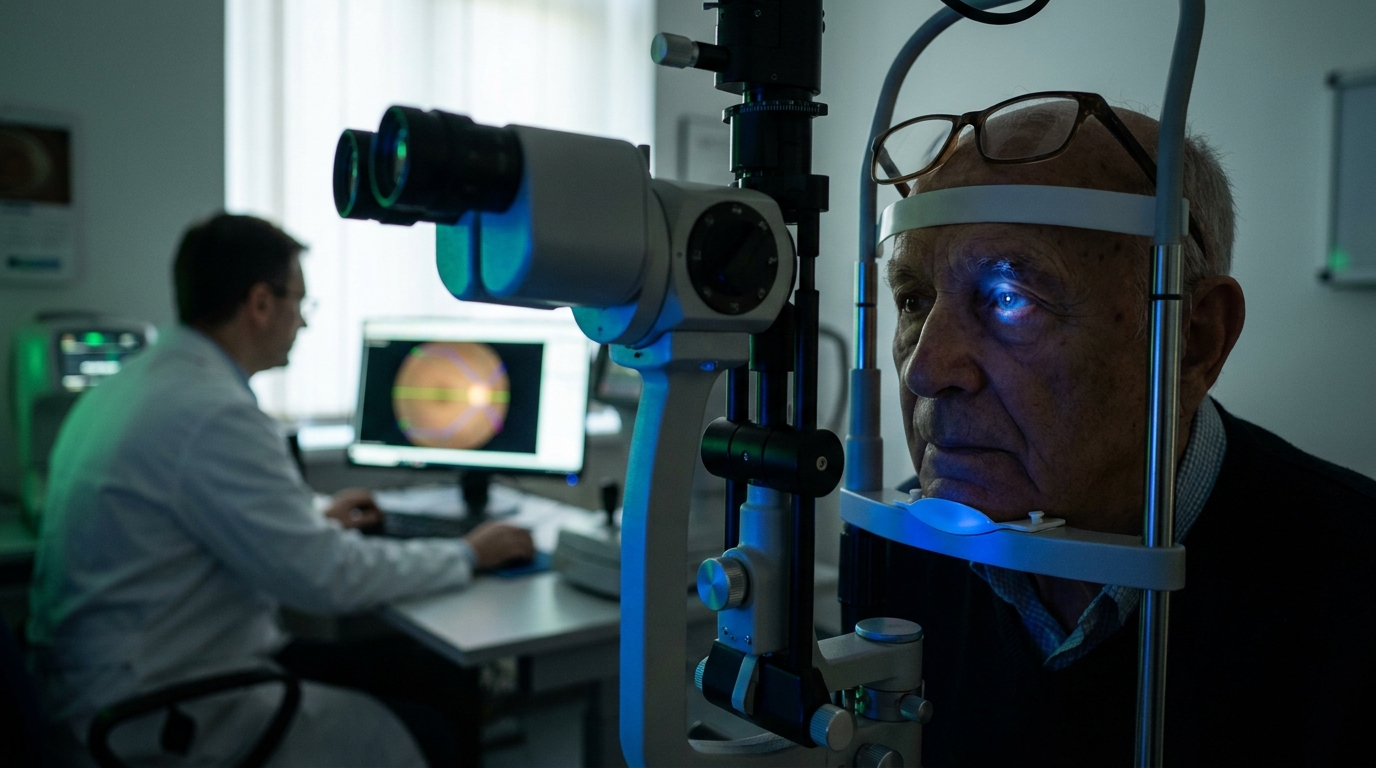
Central Macular Lesion Extent Predicts Quality of Life in Geographic Atrophy
Phase III trial data show atrophy within the central 2.50-mm zone drives functional impairment more than the surrounding retinal area.
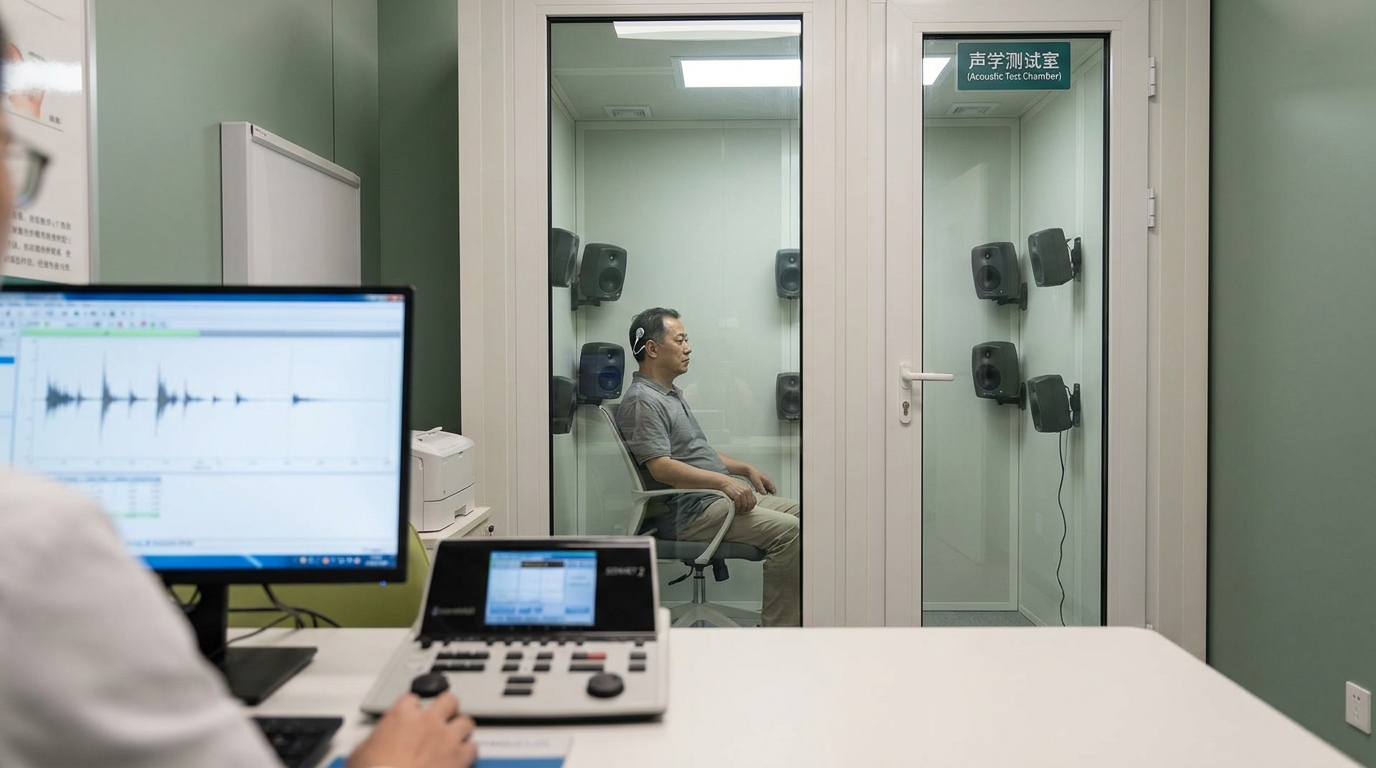
Dual-Microphone Audio Processors Improve Mandarin Speech Recognition in Noise
Upgrading to SONNET 2 or RONDO 3 processors significantly enhances sentence and word recognition for Mandarin-speaking cochlear implant users.

Blood MicroRNA Signatures Correlate With Hippocampal Volume and Atrophy Rates
Specific microRNA expression patterns in whole blood may serve as early markers for structural brain changes and neurodegenerative risk.

Occult Hypertension Linked to Coronary Plaque in Male Masters Athletes
Hidden hypertension and exercise-induced blood pressure spikes correlate with high-risk coronary atherosclerosis in asymptomatic athletes.

Early Palliative Referral Improves End-of-Life Care Regardless of Visit Frequency
Timing of referral for metastatic solid tumors significantly impacts hospice enrollment and ICU use more than the total number of visits.

Peritruncal Blood Volume Predicts Shunt Dependency and Functional Recovery in aSAH
Infratentorial hematoma volume shows stronger associations with long-term outcomes than traditional Fisher scales in subarachnoid hemorrhage.

Subjective Cognitive Deficits Predict Poor Antidepressant Response in MDD
Smartphone-based monitoring of patient-reported cognitive dysfunction identifies outpatients at risk for suboptimal treatment outcomes.

Exercise Linked to Greater Mortality Reduction in Depressed Older Adults
A cohort study of 5323 seniors shows that physical activity provides a 32% mortality risk reduction for those with depressive symptoms.

Hypochondriasis Risk Increases with Genetic Relatedness in Large Cohort
A Swedish study of 5.8 million people finds full siblings of patients have a ninefold higher risk of health anxiety.