

SSPOP Gene Mutations Linked to Pediatric Epilepsy and Developmental Delay
Researchers identify pathogenic variants in a presumed pseudogene, expanding the diagnostic landscape for unexplained seizure disorders.

Skin Biopsies Differentiate Body-First and Brain-First Parkinson’s Disease
Cutaneous alpha-synuclein patterns and seeding kinetics identify distinct pathological origins in Parkinson’s disease subtypes.

Apathy Mechanisms Differ Between Alzheimer's and Parkinson's Disease
Computational modeling reveals distinct effort-sensitivity profiles and neural signatures for motivational loss across neurodegenerative types.

SPAST Variant Mapping Predicts Disease Trajectory in Spastic Paraplegia Type 4
Genetic essentiality mapping and neurofilament levels differentiate rapid functional decline from moderate biphasic progression in SPG4.

Medial Temporal Lesions Impair Memory Precision Rather Than Capacity
Post-surgical data from 40 epilepsy patients show hippocampal damage increases recall variability without reducing the total items retained.

Identical EEG Bursts Signal Severe Loss of Brain Network Complexity
A multi-model study identifies identical burst suppression as a default state of simplified excitatory networks in irreversible coma.

Intracranial Recording Maps Immediate and Sustained Effects of Brain Stimulation
Direct neural recordings in humans and primates reveal that magnetic pulses trigger cellular excitation in 2 milliseconds.

Autologous Mesenchymal Cells Reduce Neuroinflammation in Chronic Brain Injury
A Phase 1/2a trial shows intravenous stromal cells improve white matter integrity and reduce immune cell density in the chronic TBI brain.

Memory Deficits Precede Processing Speed Decline in Modern Multiple Sclerosis Care
A large cohort study suggests the traditional speed-centric model of cognitive impairment no longer applies to most current patients.
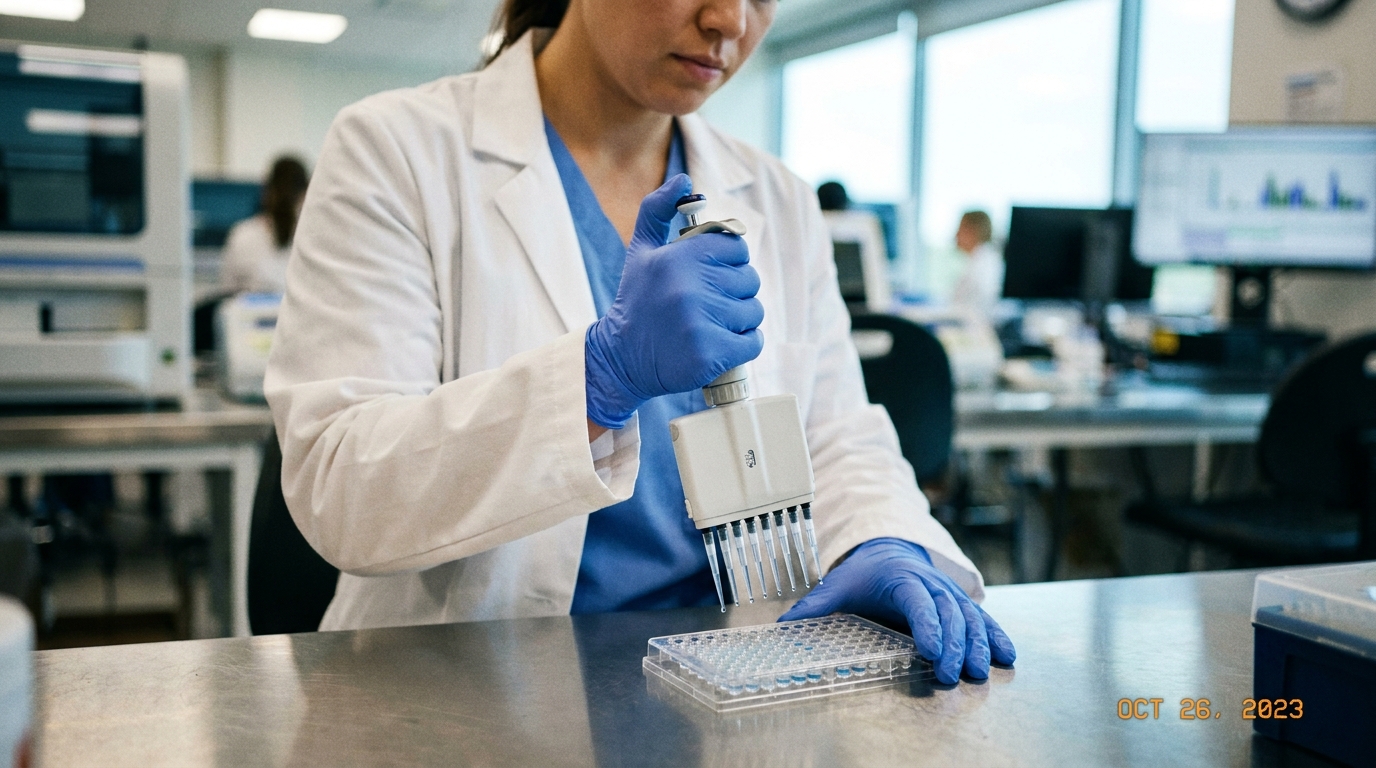
Glutamate Receptor Gene Variants Linked to Comorbid ADHD and Autism
Large-scale genomic analysis identifies specific structural variants in glutamatergic networks that distinguish complex ADHD phenotypes.

Clinical Milestones Predict Survival in Multiple System Atrophy
A study of 555 patients identifies late-stage markers and time-dependent prognostic factors to guide clinical management.
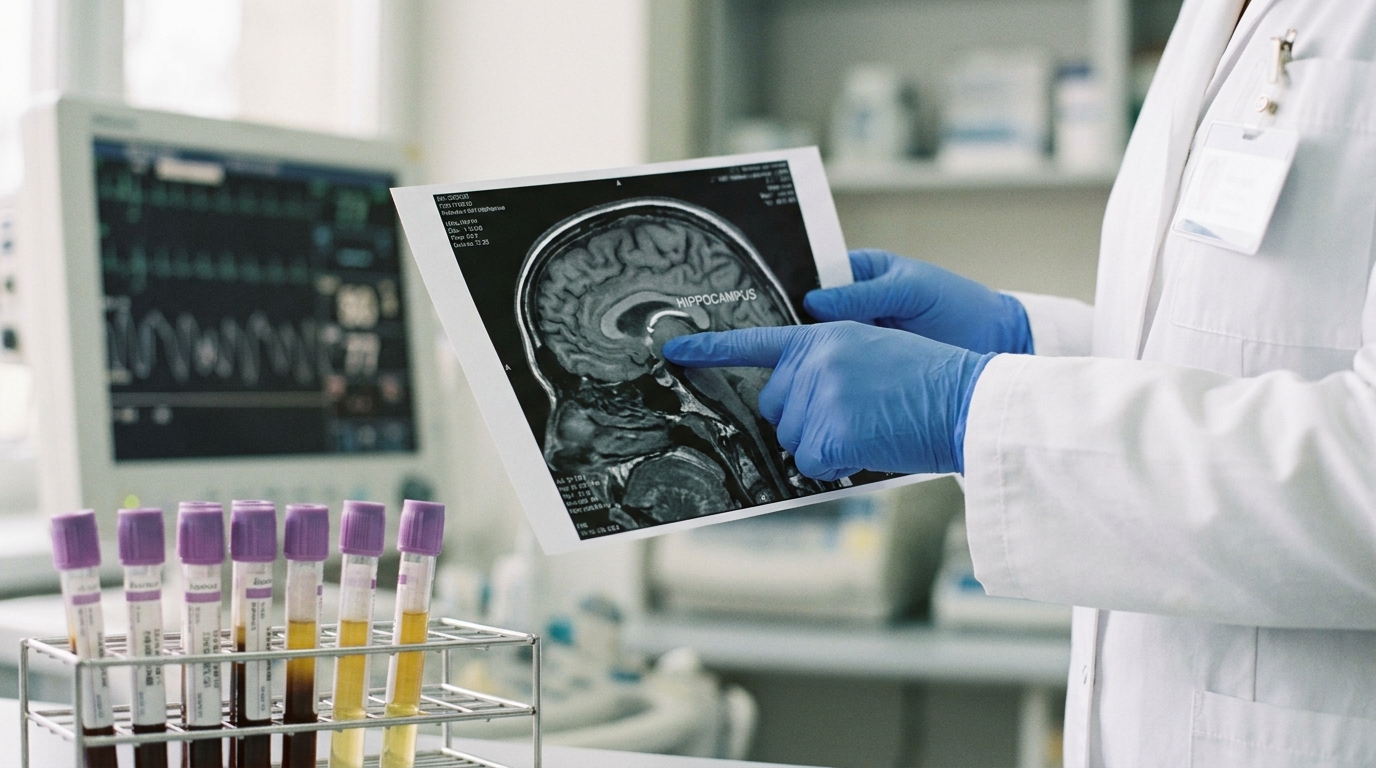
Plasma Tau and MRI Mismatch Identifies Rapid Alzheimer's Decline
Disproportionate brain atrophy relative to plasma ptau217 levels signals a vulnerable phenotype with faster cognitive loss and co-pathology.