

VEGFR1 Blockade Reverses Advanced Diabetic Kidney Damage in Mice
Selective inhibition of VEGFR1 regresses histological lesions and improves survival in murine models of progressive renal failure.
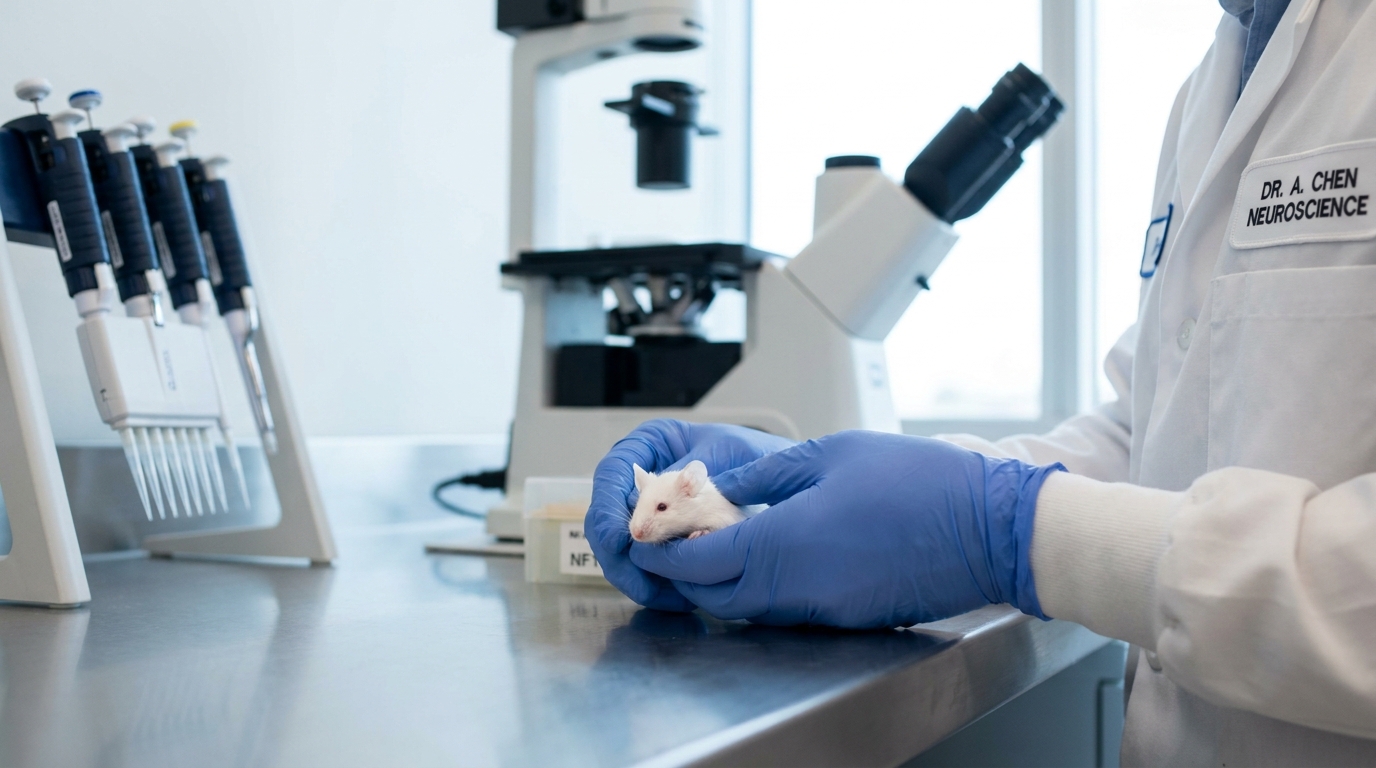
Gut Microbiome Linked to Macrocephaly in NF1 Mouse Model
Sex-specific microbial signatures correlate with brain size and autism-like behaviors in mice with Neurofibromatosis type 1 mutations.

Astrocytic Hemichannel Overactivity Drives Prefrontal Circuit Deficits in Schizophrenia Models
Elevated connexin 43 in the prefrontal cortex triggers excessive glutamate release, offering a potential non-neuronal therapeutic target.

Abdominal Contractions Drive Brain Motion and Fluid Clearance in Mice
A hydraulic link between the abdomen and cranium suggests physical activity mechanically facilitates interstitial fluid drainage.

WNK1-mTORC2 Pathway Regulates Murine Potassium Secretion Independently of Aldosterone
Selective disruption of WNK1 or mTORC2 in the distal nephron impairs potassium excretion and causes hyperkalemia in mice.

Low MicroRNA-362 Linked to Acute Lung Injury After Murine Brain Trauma
Downregulation of microRNA-362-3' in extracellular vesicles fails to suppress proinflammatory TIMP-1 in a mouse model of head injury.

Subthalamic Nucleus Predominantly Facilitates Action in Primate Models
Electrophysiological data show 89 percent of task-related neurons in the subthalamic nucleus promote rather than inhibit motor choices.
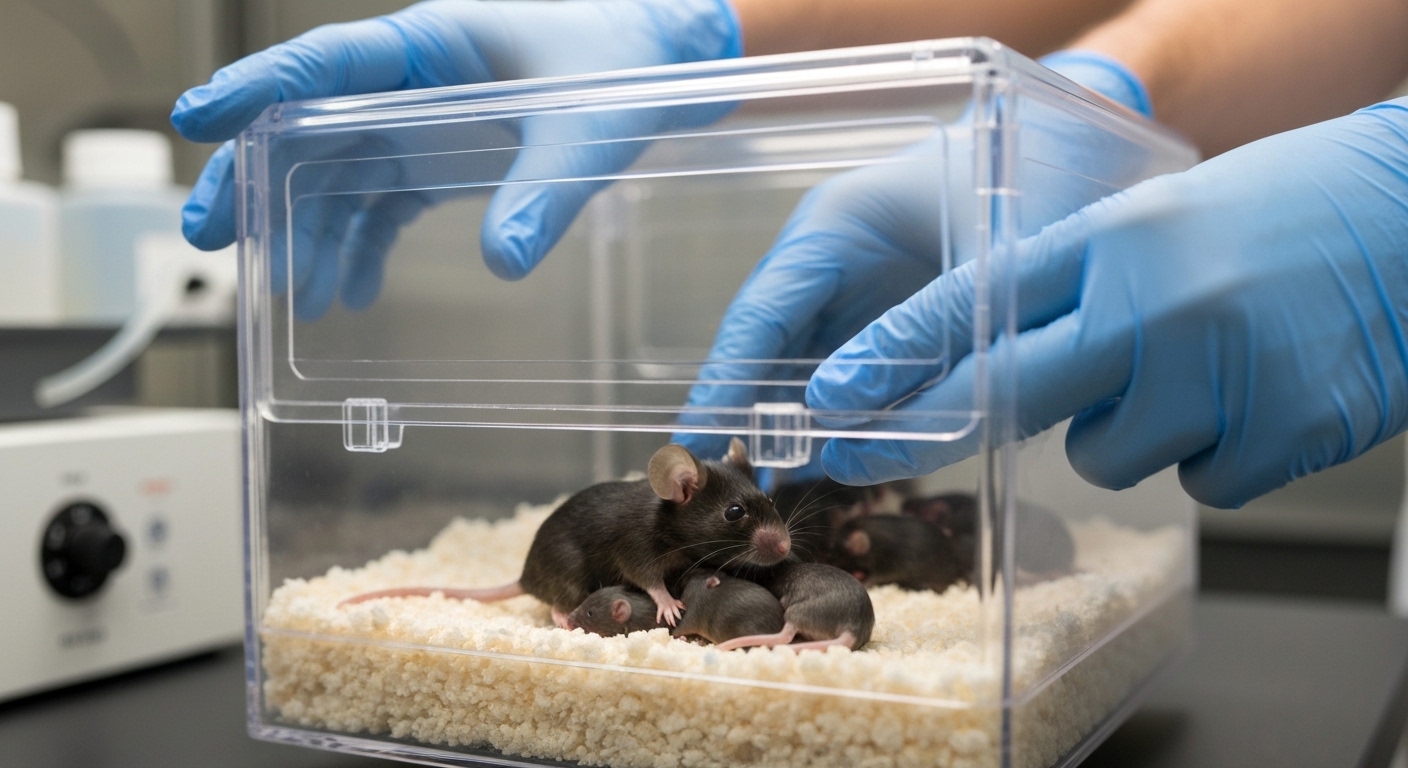
Prenatal THC and Stress Synergistically Impair Maternal Care and Offspring Neurodevelopment
A mouse study finds combined prenatal exposures disrupt adolescent gene expression and behavior in a sex-specific manner.

Mouse Study Identifies ACC Genetic Networks Driving Pain-Induced Anxiodepression
A regulatory axis involving five hub mRNAs and specific synaptic signaling pathways in the anterior cingulate cortex mediates mood shifts.

Remimazolam Impairs Thalamic Auditory Gating During Recovery in Mouse Models
Dysfunction in the thalamic reticular nucleus leads to sensory hypersensitivity and rebound neuronal enhancement following anesthesia.

Diphtheria Toxin Causes Off-Target Neurotoxicity in Mouse Depletion Models
Intracerebroventricular administration of diphtheria toxin induces mortality and brain inflammation regardless of transgene expression.

Prefrontal Gene Networks Predict Fentanyl Escalation in Rat Models
Researchers identified specific ion channel and synaptic signaling pathways in the prefrontal cortex linked to compulsive opioid intake.