
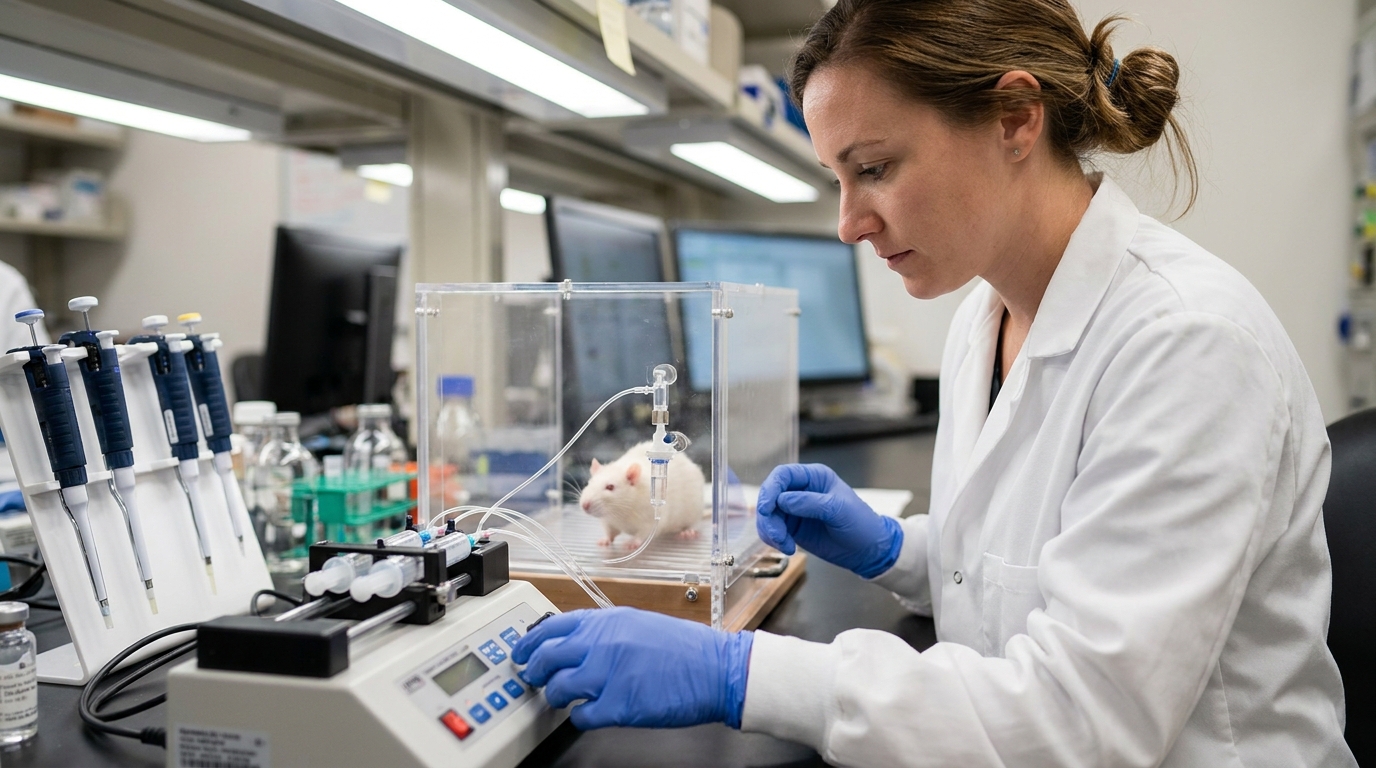
Involuntary Prenatal Oxycodone Exposure Increases Addiction Risk in Rat Offspring
A rat study shows that non-contingent maternal opioid use leads to higher motivated drug-seeking in adult progeny than voluntary intake.
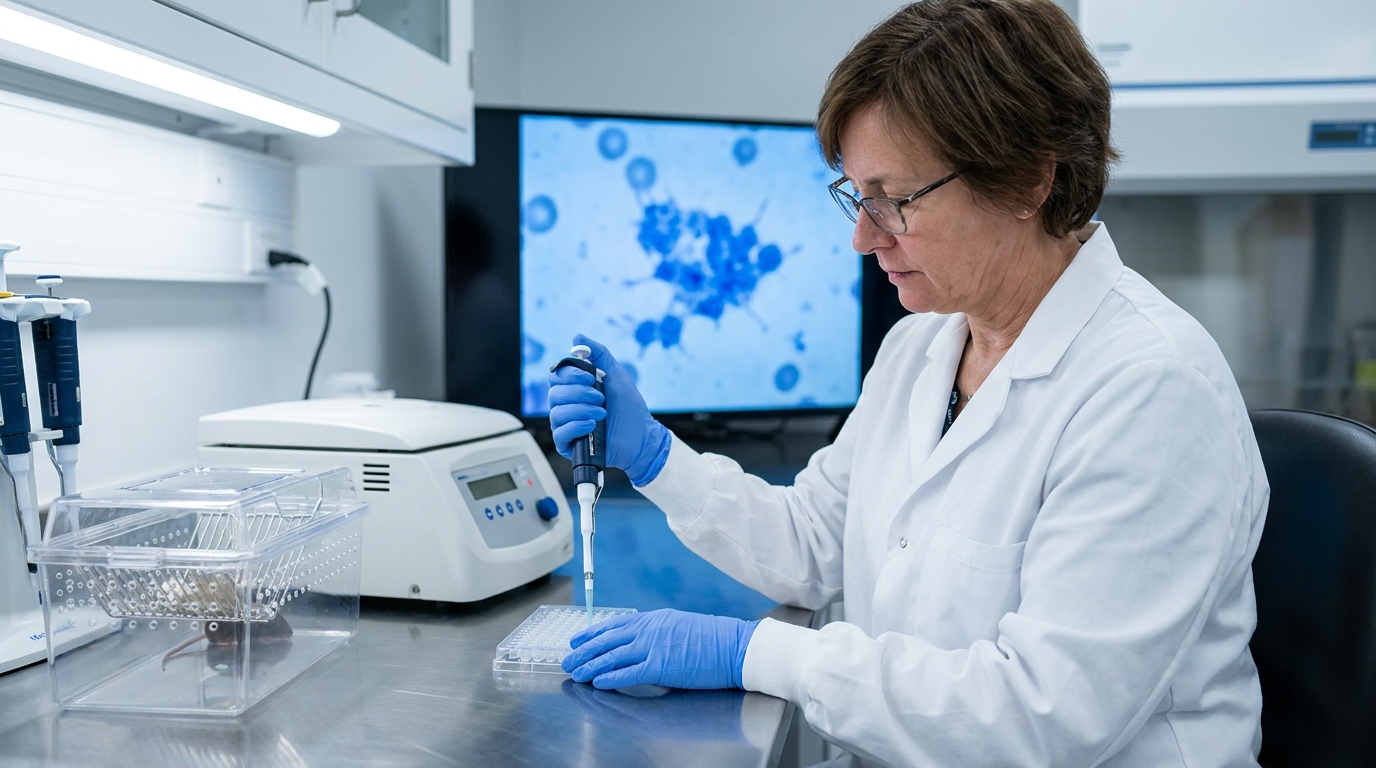
Interleukin-4 Inhibits Platelet Glycoprotein VI to Reduce Thrombosis in Mice
The anti-inflammatory cytokine IL-4 binds directly to the GPVI receptor, suppressing collagen-induced activation and clot formation.

Microglial Activation Disrupts Hippocampal Memory Consolidation in Aged Mice After Surgery
Surgical stress triggers neuroinflammation that inhibits CA3 to CA1 signaling, reducing sharp-wave ripples essential for memory.
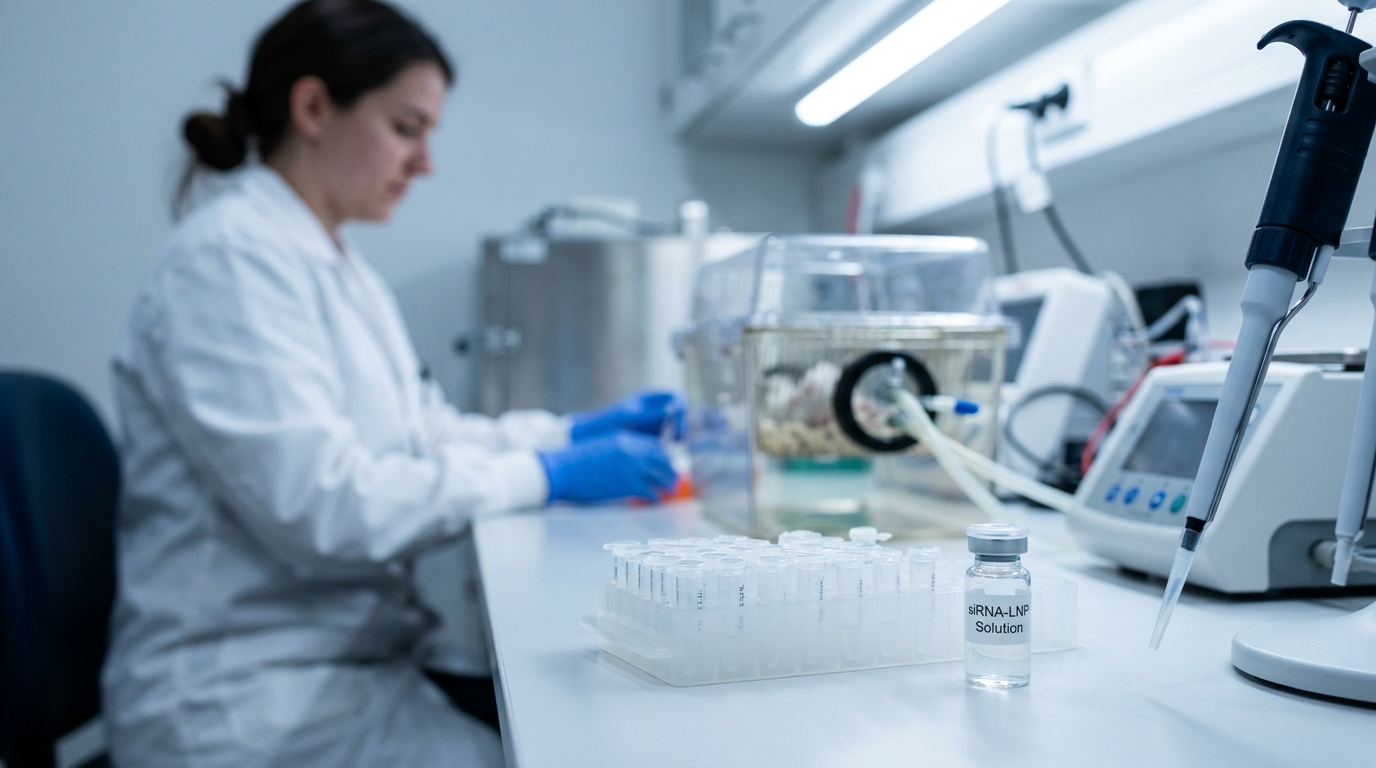
RNA Interference Normalizes PAI-1 Levels and Prolongs Lifespan in Murine Models
A single dose of siRNA-lipid nanoparticles achieved 90% knockdown of plasma PAI-1, reducing thrombus weight and increasing survival in mice.
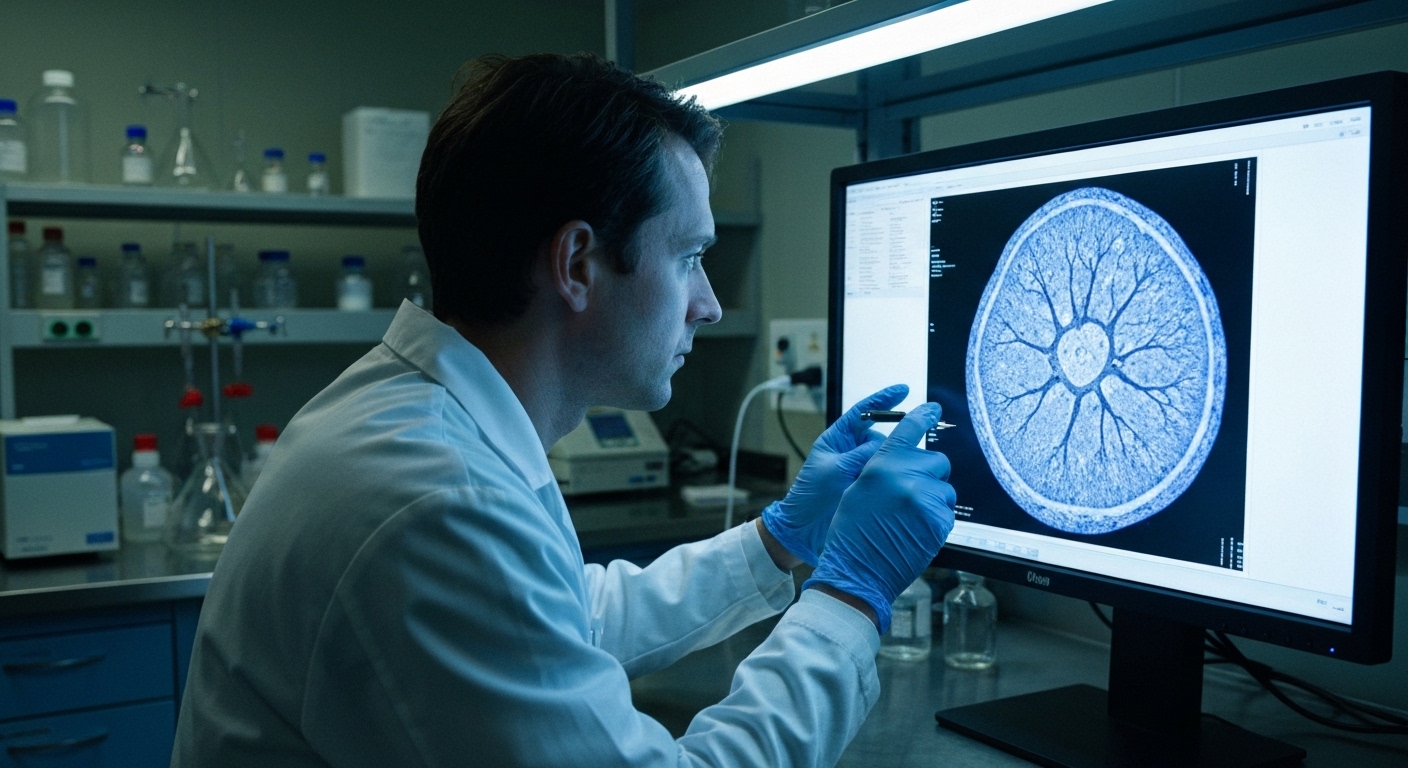
Betaine Reverses Placental Hypoxia and Growth Restriction in Mouse Model of Depression
High-dose betaine restores VEGF and BDNF signaling to improve placental vascularity and fetal weight in stressed mice.
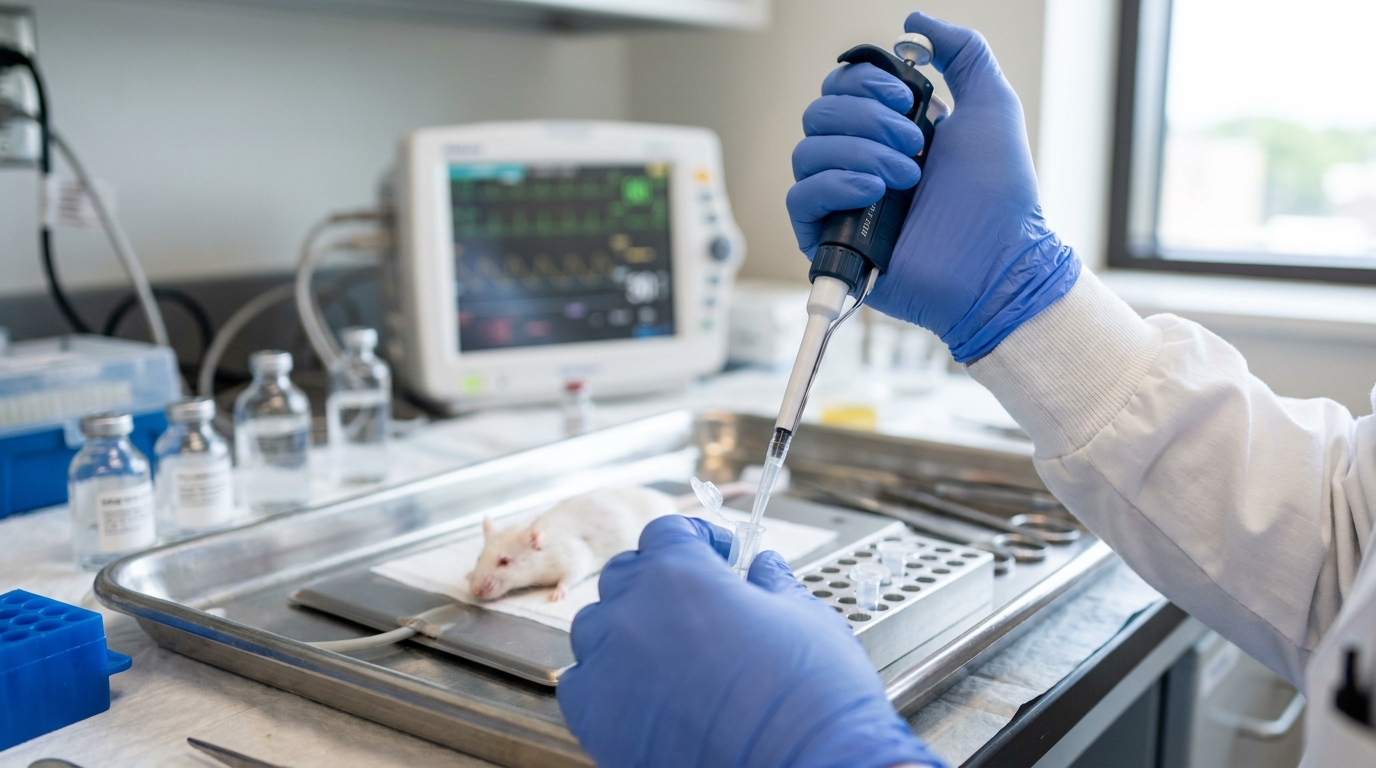
Estrogen Protects Female Mice From FGF23-Induced Cardiac Hypertrophy
Estrogen antagonizes fibroblast growth factor 23 signaling in mice, preventing uremic cardiomyopathy and extending survival in females.
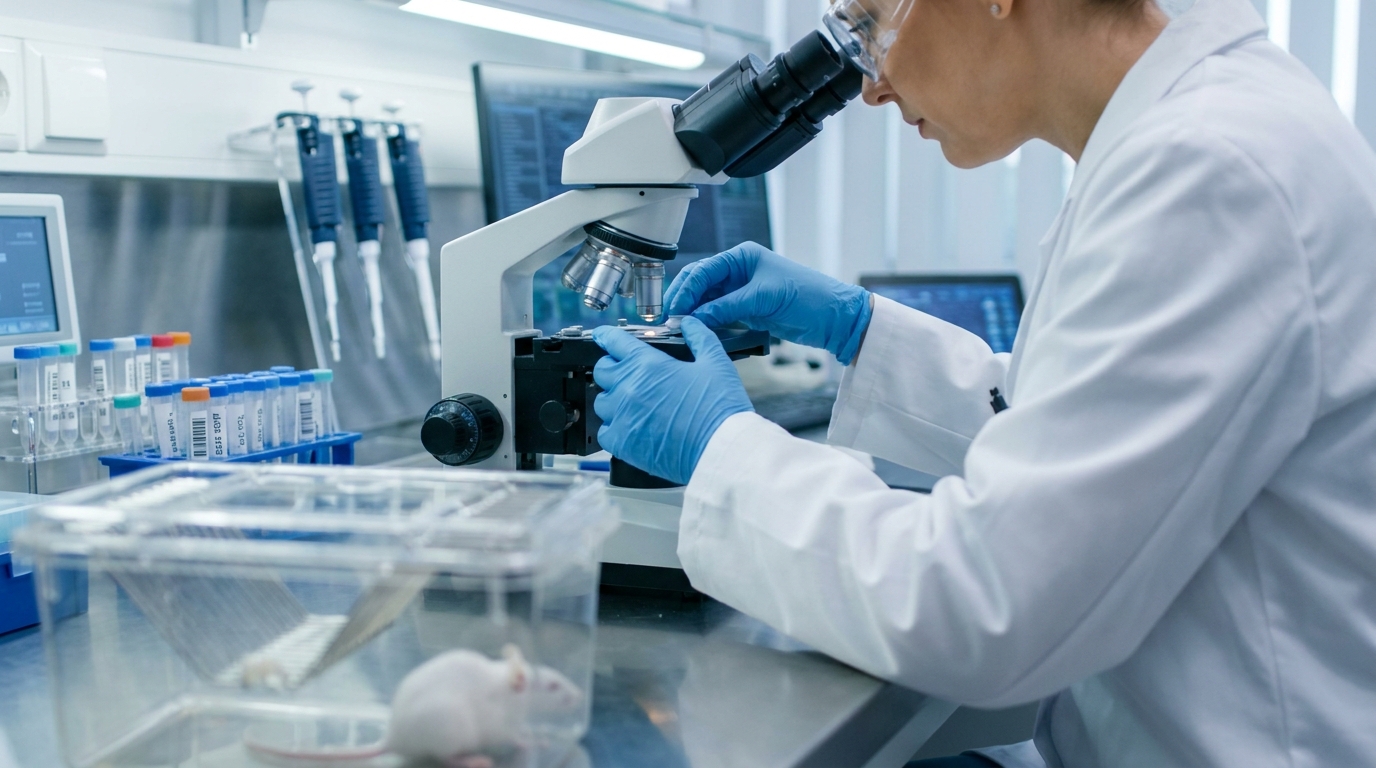
Targeting Donor Dendritic Cell Subsets Prevents Lethal Gut Graft-Versus-Host Disease in Mice
Researchers identified XCR1+ and CD11b+ dendritic cells as drivers of Th1 and Th17-mediated intestinal damage after transplantation.
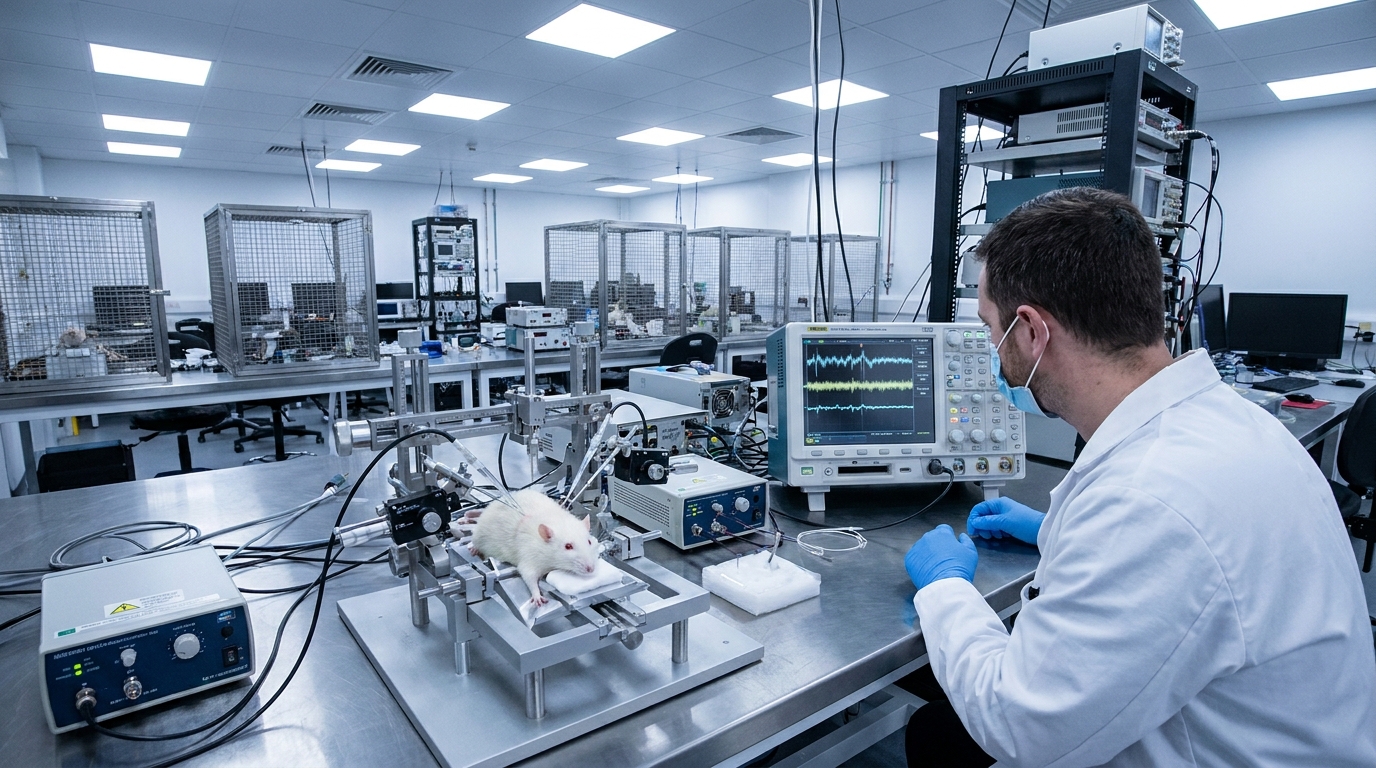
Aging Rats Show Inverted Hypothalamic Response to Ghrelin Signaling
Age-related increases in ghrelin receptor expression coincide with a shift from neuronal activation to inhibition in the dorsomedial nucleus.
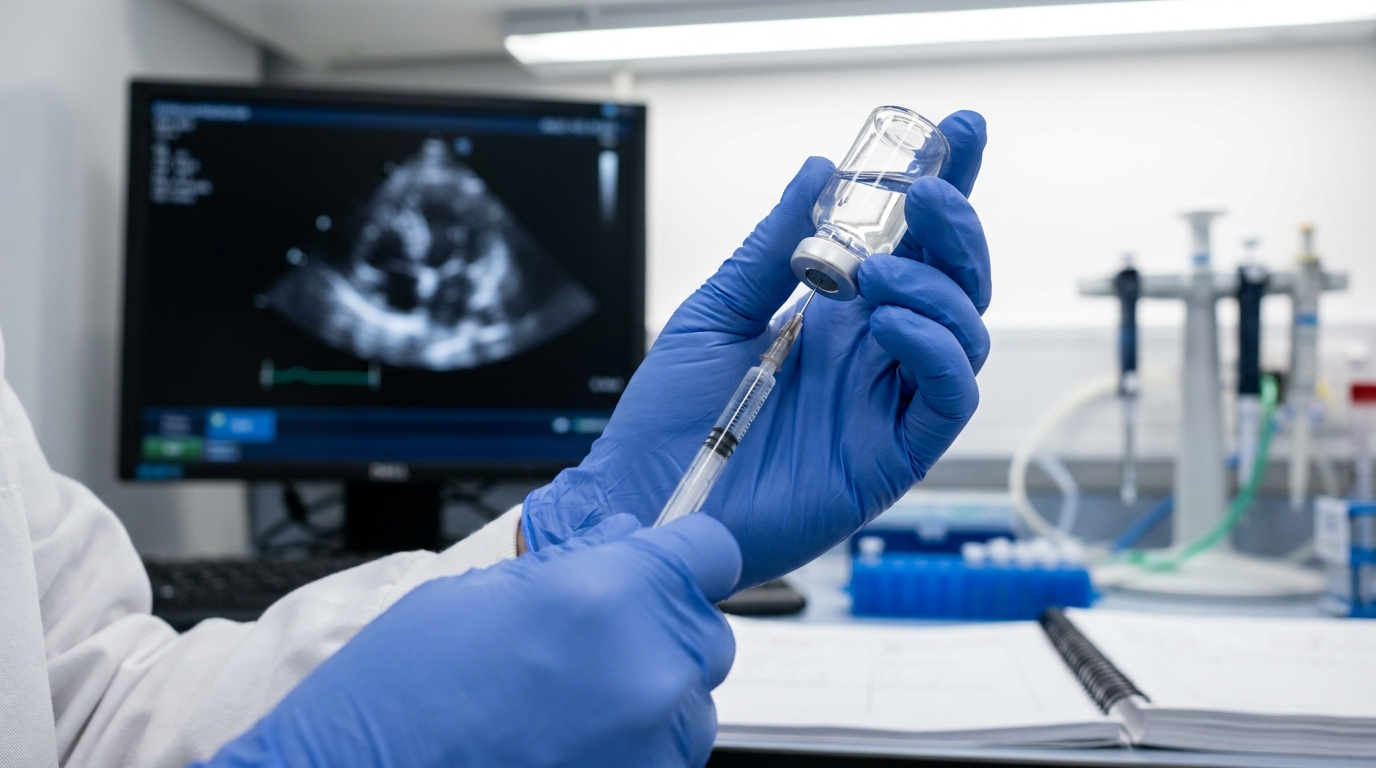
Etelcalcetide Reverses Cardiac Dysfunction in Mice with Chronic Hyperphosphatemia
The calcimimetic restores systolic function and reduces fibrosis by directly activating calcium-sensing receptors in the myocardium.
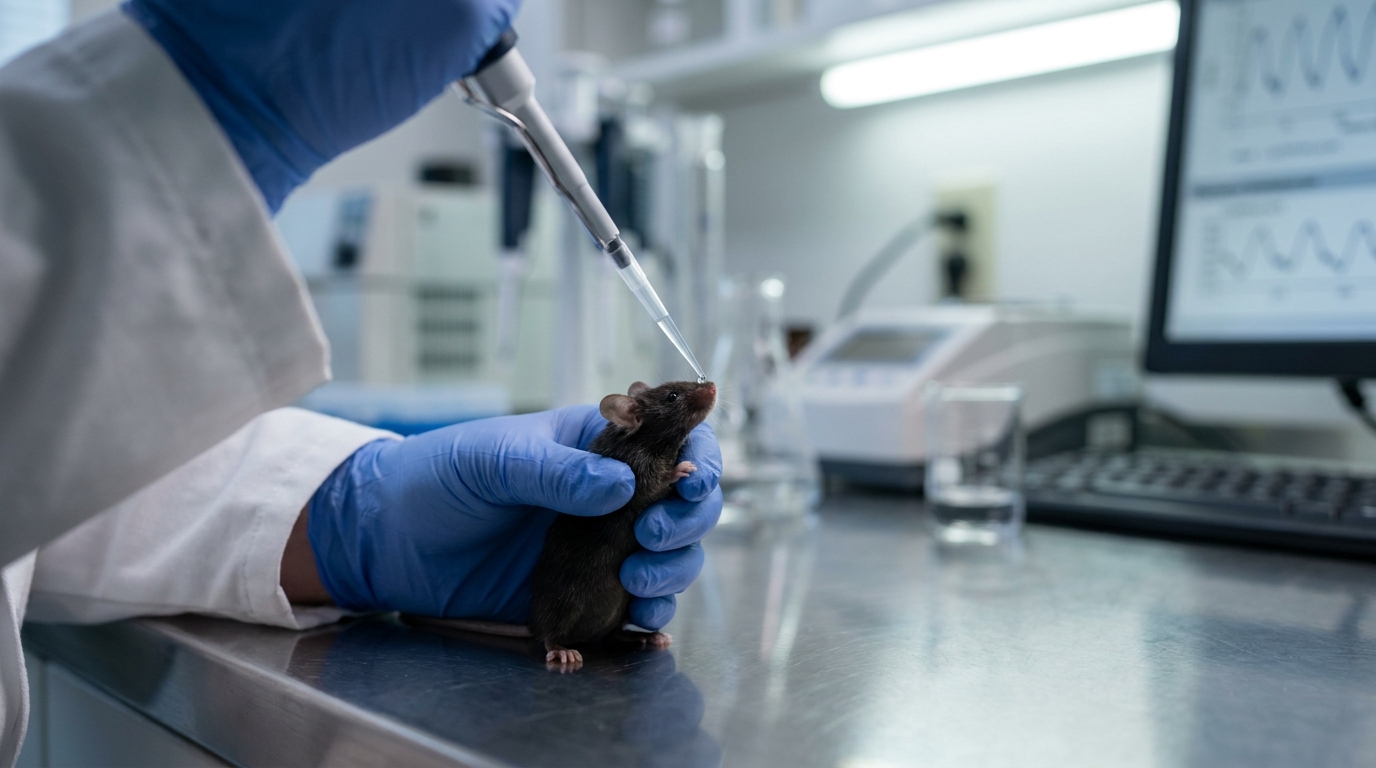
Early Postnatal Oxytocin Restores Hippocampal Plasticity in Fragile X Mice
Intranasal administration during a specific developmental window permanently corrects episodic memory and synaptic deficits in Fmr1-knockout mice.
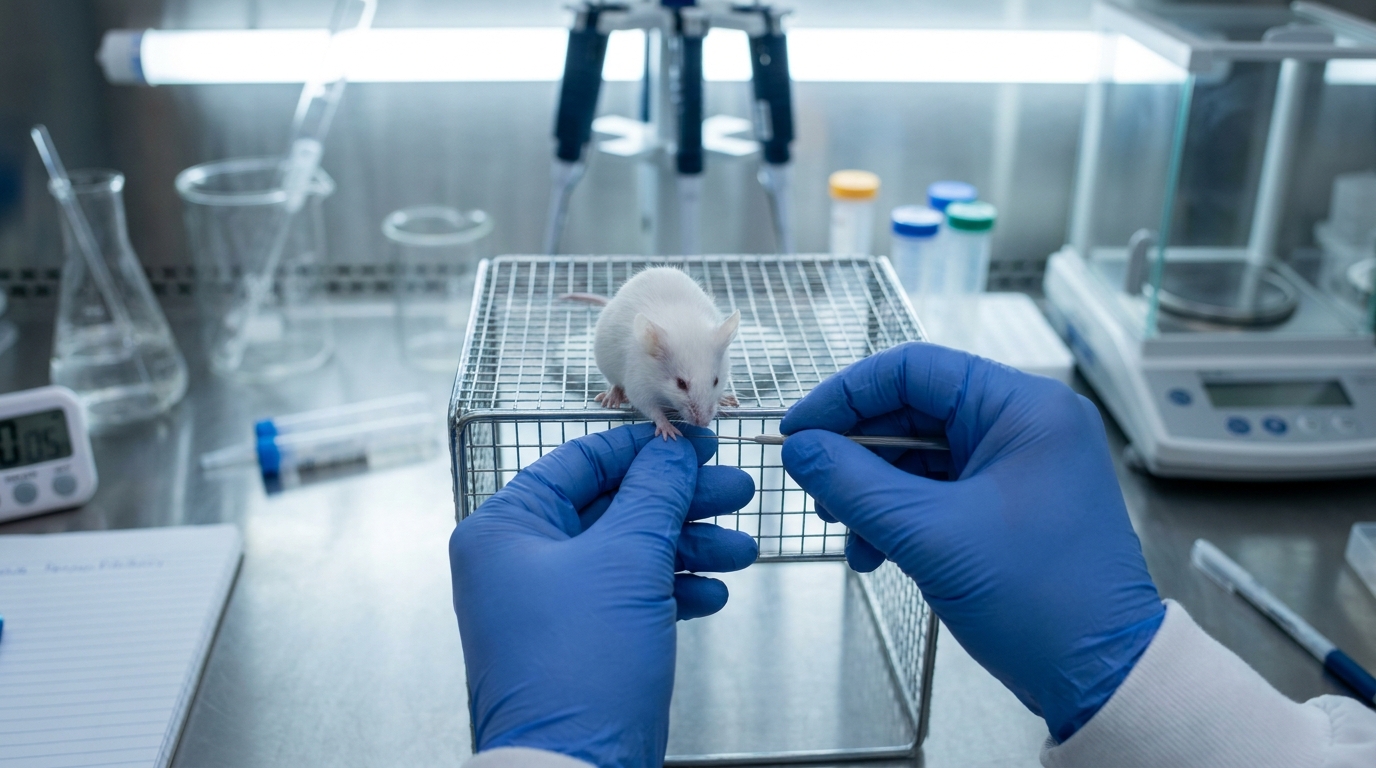
Endothelial Nitric Oxide and Nitrosative Stress Drive Potassium Channel Migraine Pain in Mice
Mouse study finds that KATP channel-induced hypersensitivity requires eNOS and peroxynitrite rather than traditional cGMP signaling.

Intravenous NAD+ Reduces Post-Resuscitation Lung Injury in Swine Model
Exogenous NAD+ administration improves oxygenation and limits pulmonary edema by inhibiting ferroptosis-mediated cell death.