
The Briefing
Continuous newsroom coverage of clinically relevant evidence — newest first.
Earlier
24 stories-

Subjective Cognitive Deficits Predict Poor Antidepressant Response in MDD
Smartphone-based monitoring of patient-reported cognitive dysfunction identifies outpatients at risk for suboptimal treatment outcomes.
-

Social Media Addiction Linked to Hopelessness and Anhedonia in Youth
Network analysis identifies mood modification and conflict as key bridge symptoms connecting digital addiction to clinical distress.
-

Exercise Linked to Greater Mortality Reduction in Depressed Older Adults
A cohort study of 5323 seniors shows that physical activity provides a 32% mortality risk reduction for those with depressive symptoms.
-

Hypochondriasis Risk Increases with Genetic Relatedness in Large Cohort
A Swedish study of 5.8 million people finds full siblings of patients have a ninefold higher risk of health anxiety.
-

Polymer Sac Embolization Increases Aneurysm Regression After EVAR
A multicenter analysis shows shape memory polymer plugs improve one-year sac regression rates to 79% compared with 51% for standard repair.
-

Palliative Telecare Fails to Improve Goal Concordance in Cardiopulmonary Disease
A randomized trial of nurse and social worker-led phone interventions found no change in treatment alignment or patient uncertainty.
-

Low-Value Evaluation Increases Decision Thresholds and Neural Conflict in Choice Tasks
Shifting focus toward negative attributes slows evidence accumulation and increases attentional demand without altering final outcomes.
-

Specific RehaCom Modules Predict Processing Speed Gains in Progressive Multiple Sclerosis
Progression in attention-based modules and baseline characteristics like IQ and age determine cognitive outcomes in progressive MS.
-

NIRS-Guided Resuscitation Improves Early Motor Scores in Preterm Infants
A COSGOD III sub-study shows that monitoring cerebral oxygenation in the first 15 minutes of life correlates with better motor repertoire.
-

Targeted Agents Fail to Extend Survival in Pediatric Brainstem Glioma
The BIOMEDE trial finds no survival benefit for erlotinib, dasatinib, or everolimus, but identifies TP53 as a key prognostic marker.
-

Shared Mitochondrial Pathways Identified Across 23 Neurodevelopmental Risk Genes
Researchers used CRISPR to map how diverse genetic mutations converge on common molecular targets, allowing for drug testing in animal models.
-

Donor Factors and Platelet Degranulation Drive Whole Blood Antifibrinolytic Variability
A study of 28 whole blood units identifies distinct high and low PAI-1 activity cohorts linked to endothelial markers and storage lesions.
-

Balanced Fluids and Saline Show Similar Outcomes in Pediatric Septic Shock
A large trial of over 8,000 children found no difference in kidney events or mortality between balanced crystalloids and 0.9% saline.
-

Neonatal Meconium Aspiration Increases Preschool Asthma Risk by 64 Percent
A retrospective cohort study of 326,940 children links neonatal lung injury from meconium aspiration to long-term respiratory morbidity.
-

Virtual Neurology Visits Show Similar 90-Day Acute Care Utilization Rates
A multicenter cohort study finds no significant difference in emergency department visits or hospitalizations after virtual consultations.
-

ANKRD26 Overexpression Triggers Megakaryocyte Apoptosis via JUNB-p21 Pathway
Single-cell analysis of bone marrow reveals that elevated ANKRD26 at the centrosome causes premature death of polyploid platelet precursors.
-

Virtual Reality and Sleep Metrics Improve Mild Cognitive Impairment Detection
Combining motion tracking and sleep quality data achieves 86.8% sensitivity in identifying patients with early cognitive decline.
-

Preoperative Activity Linked to Lower Revision Risk but Higher Hardware Failure
A 13-year cohort analysis of 4,090 patients shows active individuals face a complex trade-off in long-term total knee arthroplasty outcomes.
-
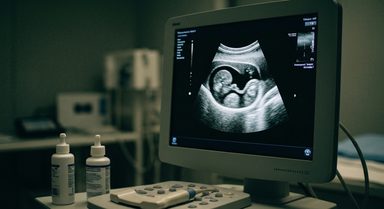
Restarting Antidepressants During Pregnancy Linked to Missed Prenatal Ultrasounds
A Swiss cohort study finds women who resume medication after discontinuation have a 22-fold higher risk of skipping routine screenings.
-

Explainable AI Identifies Cortical Asymmetry to Detect Major Depression
A deep learning model using fNIRS data achieves 81% accuracy by mapping hemodynamic imbalances in the dorsolateral prefrontal cortex.
-

Rural Residence and Social Vulnerability Predict Post-Trauma Recovery Trajectories
High social vulnerability increases home discharge odds in urban areas, while rural residence doubles the risk of prolonged hospitalization.
-

Prenatal THC and Stress Synergistically Impair Maternal Care and Offspring Neurodevelopment
A mouse study finds combined prenatal exposures disrupt adolescent gene expression and behavior in a sex-specific manner.
-

Antifibrotic Adherence and Standard Dosing Reduce Mortality in IPF
A nested case-control study finds that nintedanib dose reductions increase mortality and hospitalization risks for patients with IPF.
-

Triple-Pill Therapy Reduces Recurrent Stroke Risk After Intracerebral Hemorrhage
A low-dose combination of telmisartan, amlodipine, and indapamide lowered systolic blood pressure and major cardiovascular events.