
The Briefing · Psychiatry & Cognitive Neurology
Continuous newsroom coverage of evidence in Psychiatry & Cognitive Neurology — newest first.
Earlier
24 stories-

Early Famine Exposure Linked to Accelerated Functional Decline in Older Adults
Nutritional deprivation during fetal and preschool development increases the risk of rapid intrinsic capacity deterioration by over 50 percent.
-

Mental Health Gains Tied to Cessation, Not E-Cigarette Switching
A large study links complete cessation to better mental health over time, a benefit not seen in those who switch to e-cigarettes.
-

Maternal Depressive Symptoms Nearly Double Preeclampsia Risk
A meta-analysis of over 44,000 pregnancies shows early depressive symptoms significantly elevate the risk of hypertensive complications.
-
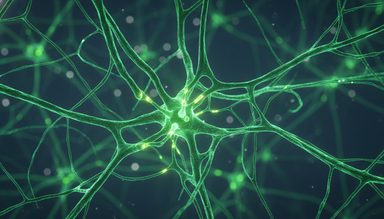
Hippocampus-Thalamus Circuit Drives Contextual Hyperactivity in PTSD Mouse Model
A specific glutamatergic pathway may be a therapeutic target for context-dependent arousal symptoms.
-

Nicotine Rewires Habenular Circuits in Mice, Altering Food Motivation
Chronic nicotine exposure in mice disrupts top-down control of the LDT-VTA cholinergic axis, driving exaggerated food-seeking behavior.
-

Vitamin C Reverses Depression-Like Behavior in Female Mice via D2 Receptors
A single dose of ascorbic acid restored dopamine D2 receptor signaling in the prefrontal cortex, rapidly alleviating depression in mice.
-
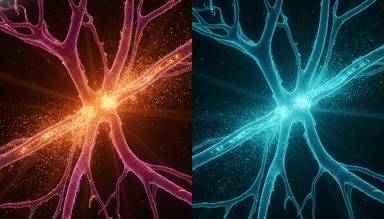
Inhibiting RhoA in Rat Prefrontal Cortex Reduces Morphine Dependence
Blocking the RhoA pathway in rats reduces opioid-induced neuroplasticity and limits glutamate spillover, offering a specific addiction target.
-

Epigenetic Target HDAC5 Reduces Environment-Triggered Cocaine Seeking in Rats
In a rat model, overexpressing the enzyme HDAC5 in the prelimbic cortex shifted synaptic balance to suppress context-driven cocaine seeking.
-

Cognitive Status Remains Key Predictor of Dementia Risk Alongside p-tau181
ARIC data show that while p-tau181 is prognostic, the absolute risk of dementia remains low in cognitively unimpaired individuals.
-

Young Children Require Higher Benzodiazepine Doses for PICU Ventilation
A retrospective cohort study reveals that children under five receive significantly higher weight-adjusted doses of midazolam and lorazepam.
-

Social Anxiety Affects Nearly Half of College Students
An analysis of 5,996 students reveals a 47.9% incidence of social anxiety, with gender, grade, and physical activity as top predictors.
-

Caffeinated Coffee and Tea Lower Dementia Risk; Decaf Shows No Benefit
A 43-year prospective study of 131,821 adults reveals that 2 to 3 cups of caffeinated coffee daily significantly reduces incident dementia.
-

Cross-Ancestry Analysis Identifies Shared Genetic Risk for Major Psychiatric Disorders
Researchers identified 403 genetic loci and specific cellular pathways common to schizophrenia, bipolar disorder, and depression.
-

Apps for Alcohol Use Do Not Improve Mood Beyond Standard Care
In a randomized trial, digital tools added to standard care did not further reduce depression or anxiety in adults with alcohol dependence.
-

Intracortical Implant Enables Paralyzed Patients to Type 22 Words Per Minute
By decoding attempted finger movements, a neuroprosthesis allows patients with tetraplegia to type on a virtual QWERTY keyboard.
-

Opioid Medications Halve Mortality but Reach Only a Quarter of Patients
A clinical review details how optimizing methadone, buprenorphine, and naloxone can close the treatment gap and reduce all-cause mortality.
-

Structured Exercise Improves Sleep and Executive Function in Preteens With Autism
A 10-to-12-week physical activity program objectively reduced sleep fragmentation and improved problem-solving in children with autism.
-

White Matter Damage Drives Cognitive Decline via Two Distinct Pathways
In amyloid-negative patients, periventricular lesions directly impair memory but indirectly drive executive dysfunction via hypometabolism.
-

Schizophrenia Patients Lack Neural Mismatch Response to Unmasked Faces
Patients with schizophrenia fail to generate a normal brain response when internal predictions of a face conflict with new visual input.
-

Plasma p-Tau217 Matches PET for Modeling Alzheimer's Timelines
Plasma p-tau217 accurately estimates the onset of amyloid and tau pathology, offering an accessible alternative to expensive PET scans.
-

Altered Cortical Myelination in OCD Links to Specific Symptoms
A multisite MRI analysis reveals that adults with obsessive-compulsive disorder show altered intracortical myelination in frontal regions.
-

Web-Based School Program Reduces New-Onset Mental Health Problems
An eight-session internet intervention focused on stress management lowered the one-year incidence of mental health issues from 28% to 21%.
-

Paid Social Media Boosts Community Outreach in Prehospital Trials
A retrospective review of a 20-site pediatric trial shows paid Facebook ads reach significantly more people than free institutional posts.
-
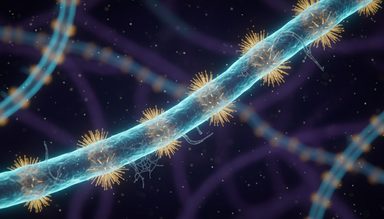
NMDA Receptor Ablation in Adolescent Mice Triggers Synaptic Rebound
Removing NMDA receptors in the adolescent mouse prefrontal cortex causes an initial spine loss followed by a compensatory synaptic rebound.