
The Briefing · Psychiatry & Cognitive Neurology
Continuous newsroom coverage of evidence in Psychiatry & Cognitive Neurology — newest first.
Earlier
24 stories-

Co-Occurring Suicidal Ideations Triple Risk of Adolescent Behavior
A longitudinal study finds that adolescents with both active and passive ideation face a 3.13-fold increase in 3-month behavioral risk.
-

Organizational Stress and Avoidant Coping Drive Mental Health Symptoms in Police
A survey of 741 officers shows that workplace culture impacts clinical symptoms more than field operations, with gender influencing coping.
-
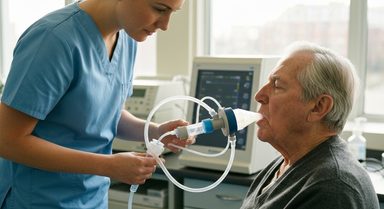
Breath Analysis Distinguishes Alzheimer’s Disease From Other Dementias
A diagnostic model using exhaled volatile organic compounds identifies Alzheimer’s disease with 93% accuracy in a 241-patient cohort.
-

Norepinephrine Drives Sleep-Dependent Astrocyte Volume Changes in Mouse Cortex
Astrocyte expansion during wakefulness reduces interstitial space and suppresses glymphatic flow via alpha-1 adrenergic signaling.
-

Employment and Family Dynamics Mitigate Maternal Anxiety in Multi-Child Households
A study of 4,215 mothers indicates that employment status and family conflict are stronger predictors of mental health than parity alone.
-

School Transition Drives Adolescent Well-being Decline More Than Aging
A longitudinal study of 20,910 students shows secondary school transition triggers well-being deficits lasting over two years.
-

French Cohort Study Maps Perinatal Risks for Neurodevelopmental Disorders
A study of 7.4 million children identifies shared and distinct risk factors for ADHD, autism, and intellectual disability.
-

Ketamine Increases Brain PDE4 Binding in Rats and Monkeys
Subanesthetic doses rapidly boost cAMP signaling, suggesting a molecular pathway for the drug's fast-acting antidepressant effects.
-
Thalamocortical Connectivity and Immune Dysregulation Linked to Suicidal Ideation in Depression
Researchers identify a caudal temporal thalamus network and peripheral gene expression patterns that distinguish suicidal risk in patients.
-

Genetic Factors Drive Association Between Infections and Tic Disorder Risk
A Swedish cohort study of 3.8 million people suggests shared genetic pleiotropy links infection history to Tourette syndrome risk.
-

Lateral Septal PACAP Signaling Modulates Stress and Anxiety in Rodent Models
Localized neuropeptide activity in the lateral septum regulates the neuroendocrine response and shifts behavior toward passive coping.
-

Childhood Cognitive Control Predicts Adult Tic Remission and Income
Early executive function measures in children with Tourette syndrome correlate with clinical and socioeconomic success 11 years later.
-
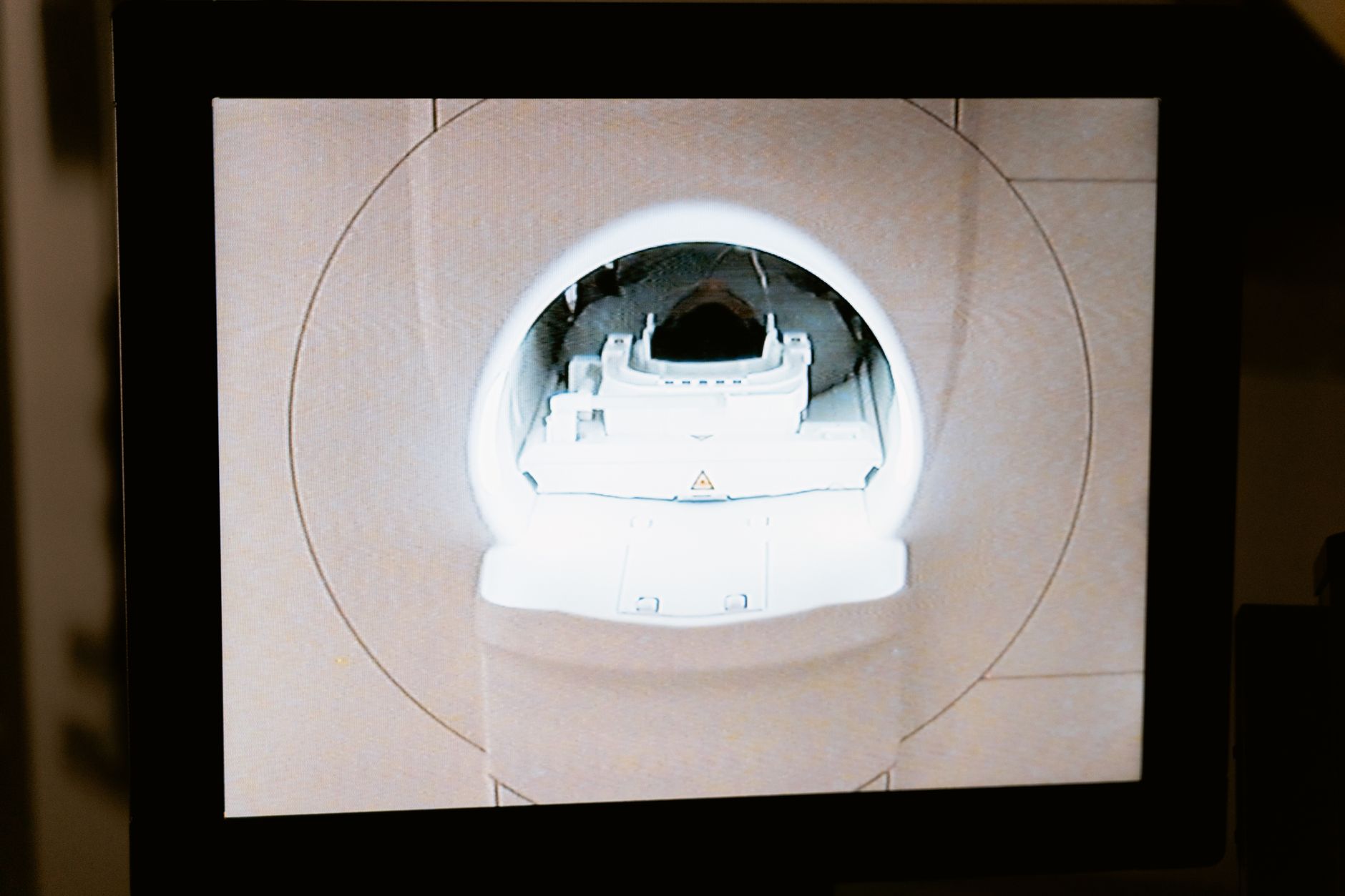
Activity Modality and Social Context Alter Pediatric Brain Structure
A longitudinal study of 8,230 children links physical-social engagement to increased frontoparietal volume and lower psychiatric risk.
-

Prenatal Sterol-Inhibiting Drugs Linked to Increased Autism Risk
A study of 6 million births found that common medications disrupting cholesterol synthesis increase autism risk in a dose-dependent manner.
-
Dexmedetomidine Linked to Lower Mortality in ICU Patients With Delirium
A retrospective analysis of two large databases shows reduced in-hospital and one-year mortality for delirious patients given the sedative.
-

Subanesthetic Ketamine Improves Depressive Symptoms in Critically Ill Adults
A retrospective study finds three days of low-dose ketamine reduces sadness in ICU patients with minimal hemodynamic impact.
-
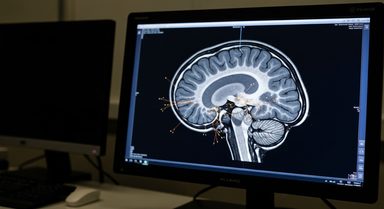
Baseline Connectivity Predicts Anxiety Improvement in Prefrontal TMS Trial
Pre-treatment neural architecture, rather than post-stimulation connectivity changes, correlates with clinical recovery in patients.
-

White Matter Coupling Imbalance Marks Early HIV Neurocognitive Impairment
Structural demyelination and functional reorganization in white matter tracts correlate with clinical status in asymptomatic HIV patients.
-

Five-Gene Metabolic Signature Identifies Schizophrenia in Prefrontal Neurons
Researchers identified a diagnostic model based on fatty acid metabolism genes in specific neuronal subtypes with an AUC of 0.856.
-
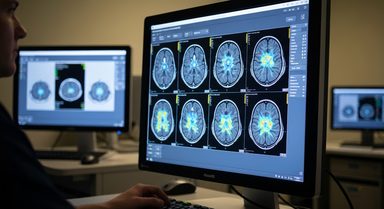
Sustained Attention Tasks During MRI Improve Prediction of Autistic Traits
Functional imaging during cognitive challenges identifies neural markers of social responsiveness more accurately than resting-state scans.
-

Grammatical Boundaries Limit Word Prediction Precision in the Human Brain
Neural responses to word unpredictability decrease at major phrase boundaries, suggesting language processing prioritizes structure over raw statistic
-

Venlafaxine Linked to Probable Induction of De Novo Vocal Tics
A case report identifies the first instance of vocal tics following SNRI use, likely due to fronto-striatal dopamine dysregulation.
-

App-Based Cognitive Tasks Increase Subclinical Mental Health Screening Accuracy to 91%
Combining objective neuropsychological metrics with self-reports identifies subclinical distress more accurately than subjective tools alone.
-
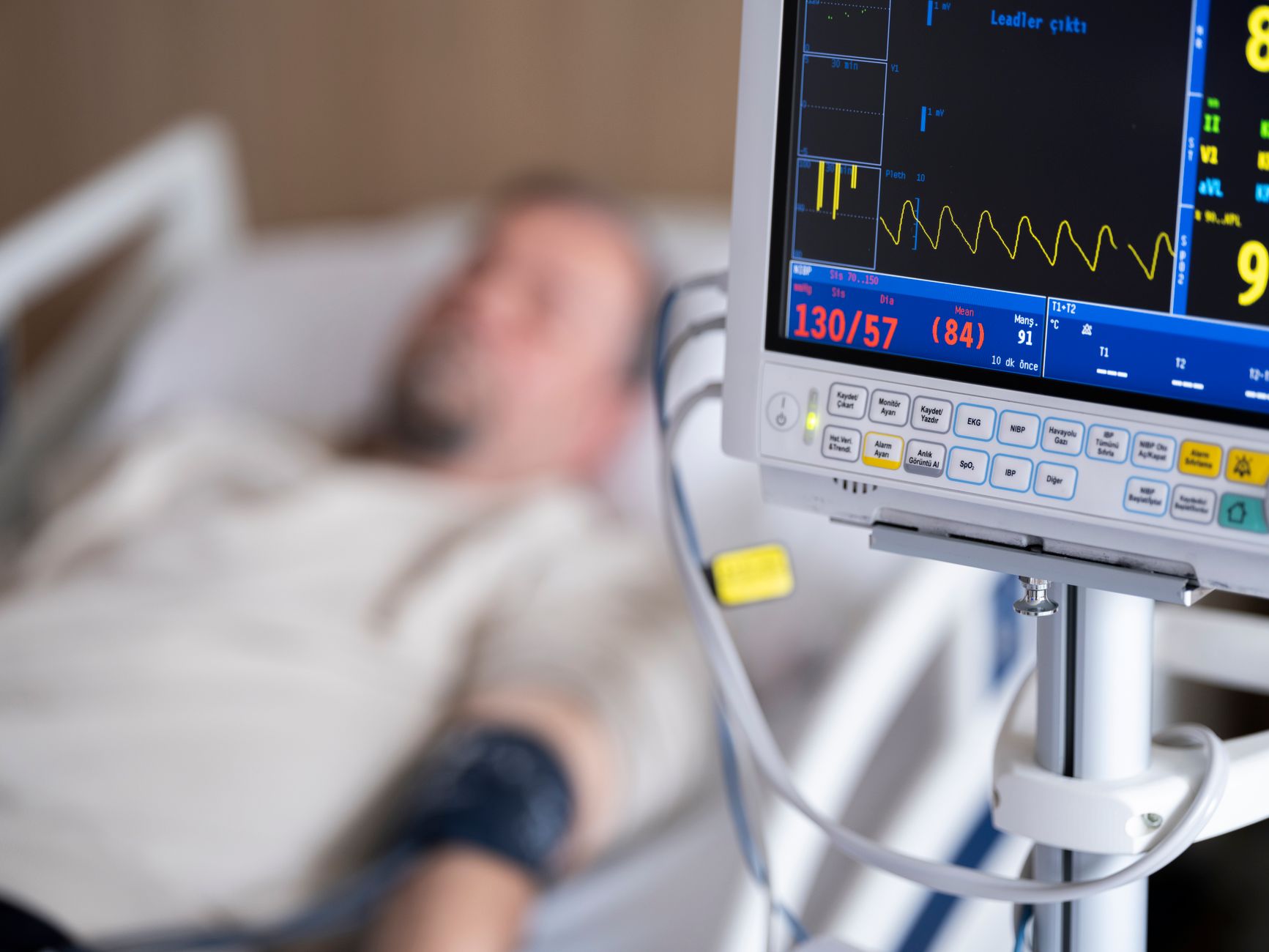
Algorithm Tracks Patient Signals to Calibrate Psychotherapy Intensity
A four-node framework uses physiological markers and anxiety thresholds to guide real-time clinical decisions and intervention dosing.