
- The study addressed the lack of direct evidence linking autism's varied clinical presentations to specific underlying biological differences.
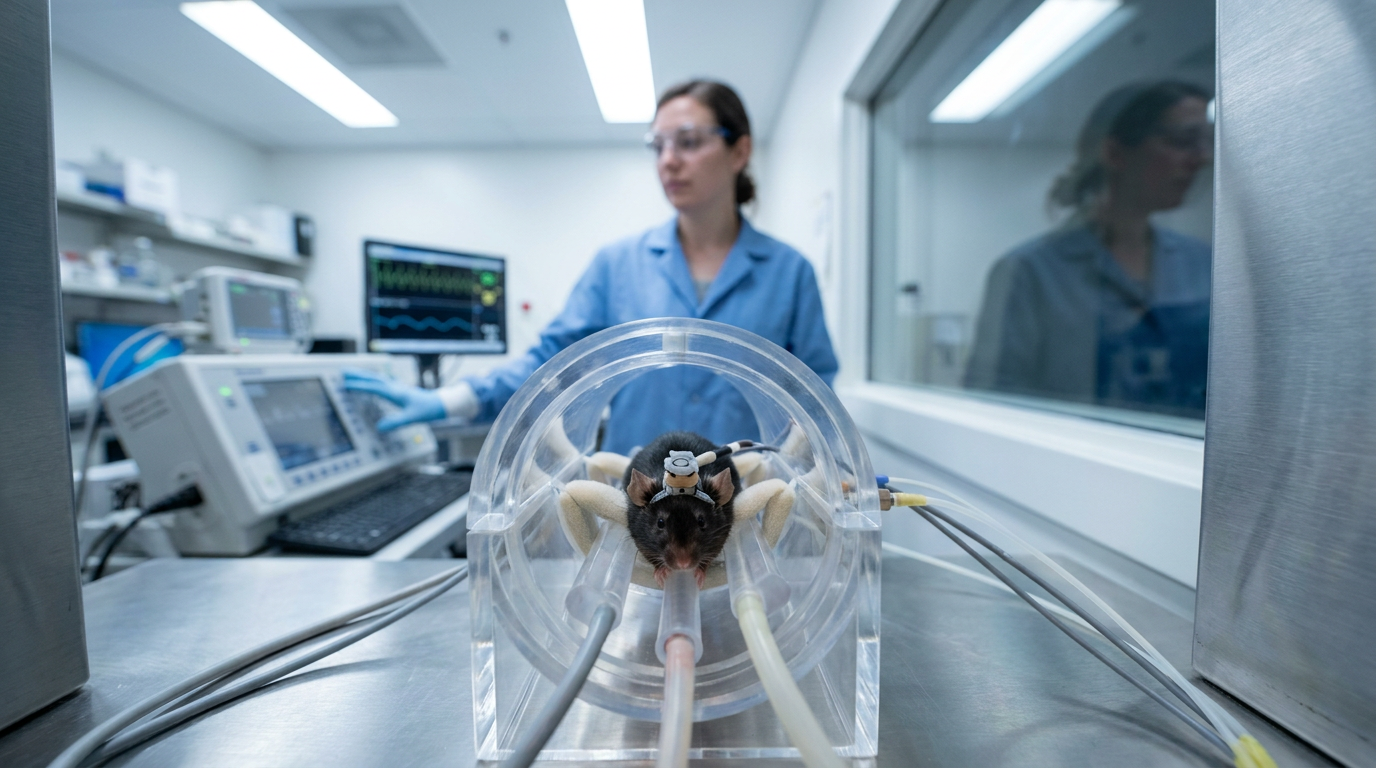
- Researchers used cross-species functional magnetic resonance imaging (fMRI) in 20 genetic mouse models and 1,976 human participants.
- They identified two distinct human autism subtypes: 940 individuals with idiopathic autism and 1,036 neurotypical individuals.
- The authors concluded that autism spectrum disorder can be reliably subtyped into hypoconnectivity-dominant and hyperconnectivity-dominant patterns.
- This work provides a framework for targeted subtyping of autism, potentially guiding future diagnostic and therapeutic strategies.
Navigating the Heterogeneity of Autism Spectrum Disorder
The clinical presentation of autism spectrum disorder (ASD) is notably diverse, a reality that complicates both research and patient care [1]. This heterogeneity often leads to inconsistent findings in neuroimaging studies, which have struggled to translate observations of atypical brain connectivity into the reliable neuro-endophenotypes needed to guide clinical practice [2, 1]. While the field has explored transdiagnostic approaches, which seek common biological mechanisms across different psychiatric conditions, direct evidence linking specific biological variations to distinct clinical presentations within the autism spectrum has remained elusive [3, 4]. A recent study, however, provides a potential path forward by stratifying individuals based on underlying neurobiology rather than purely behavioral criteria.
Identifying Subtypes Through Functional Connectivity
While the varied presentation of autism spectrum disorder strongly suggests a basis in differing biology, establishing this link has proven difficult. To bridge this gap, a new study employed cross-species functional neuroimaging, an approach that compares brain activity patterns in animal models with those in humans, allowing researchers to connect findings from genetically controlled models to the complexities of the human condition. The investigation began by analyzing functional magnetic resonance imaging (fMRI) data from 20 distinct genetic mouse models of autism. This analysis revealed that the diverse patterns of brain dysconnectivity did not vary randomly; instead, they clustered into two primary, opposing subtypes: one dominated by widespread hypoconnectivity (reduced functional connections) and another by hyperconnectivity (excessive functional connections). This discovery in animal models provided a critical biological framework for investigating similar patterns in people with autism.
Biological Pathways Underlying Connectivity Patterns
The discovery of hypoconnectivity and hyperconnectivity subtypes in mouse models was more than a simple classification; it pointed toward fundamentally different biological origins. The researchers found that these two subtypes were linked to distinct biological pathways. This finding is a crucial step toward understanding that different neurobiological mechanisms can produce the clinical syndrome of autism. Specifically, the analysis revealed that the hypoconnectivity subtype was associated with synaptic dysfunction, implicating problems at the communication junctions between neurons, a well-recognized area of investigation in neurodevelopmental disorders. In contrast, the hyperconnectivity subtype was linked to transcriptional and immune-related alterations, suggesting that its origins may lie in dysregulated gene expression and neuro-immune processes. These findings in animal models provided a clear, testable hypothesis: that similar connectivity patterns in humans might be driven by these same underlying biological mechanisms.
Replicating Subtypes in Human Cohorts
Building on the findings from genetic mouse models, the researchers sought to determine if these connectivity-based subtypes exist in humans. Analyzing a large, multicenter dataset, they identified analogous hypoconnectivity and hyperconnectivity subtypes in a cohort of n = 940 individuals with idiopathic autism compared to n = 1,036 neurotypical individuals. The large scale of this human dataset, drawing from multiple clinical sites, strengthens the generalizability of the results. Critically, the study demonstrated that these human subtypes were highly replicable, indicating that the classifications are stable and not the result of statistical noise. For clinicians, this high degree of replicability suggests that these connectivity patterns represent robust biological signatures that could potentially serve as reliable biomarkers for stratifying the highly heterogeneous autism spectrum.
Clinical and Biological Correlates in Humans
The identification of these subtypes in the human cohort proved to be more than a neuroimaging curiosity. The researchers found that the subtypes were associated with distinct functional network architectures, meaning the overall pattern of brain organization, not just isolated connections, differed significantly between the groups. Furthermore, these neurobiological groupings were clinically meaningful, as they were also associated with distinct behavioral profiles. This finding provides a direct link between an individual's underlying brain connectivity pattern and their observable clinical characteristics, suggesting that a patient's subtype could inform expectations about symptom presentation. In a powerful validation of the cross-species approach, the study also showed that the human subtypes recapitulated the synaptic and immune-related pathways identified in the rodent dataset. The human hypoconnectivity group showed alterations in genes related to synaptic function, while the hyperconnectivity group showed changes related to immune system pathways, mirroring the animal model findings and reinforcing the biological validity of this new classification framework.
Implications for Targeted Interventions
By identifying two replicable autism subtypes defined by opposing patterns of brain connectivity and linked to distinct biological pathways, this research offers a new lens through which to view the condition's heterogeneity. The findings move the field closer to a classification system grounded in neurobiology rather than one based solely on behavioral observation. The convergence of data from mouse models and a large human cohort provides a strong foundation for this stratification. For the practicing physician, this work signals a potential future where neuroimaging and biological assays could help classify individuals with autism, guiding more personalized care. Ultimately, the work provides a new empirical framework for targeted subtyping of the autism spectrum. This framework may enable the development of interventions aimed at specific underlying mechanisms; for example, treatments enhancing synaptic function might be prioritized for the hypoconnectivity subtype, while therapies addressing immune dysregulation could be more suitable for the hyperconnectivity subtype, paving the way for a precision medicine approach to autism.
References
1. Sultan S. Translating neuroimaging changes to neuro-endophenotypes of autistic spectrum disorder: a narrative review. The Egyptian Journal of Neurology Psychiatry and Neurosurgery. 2022. doi:10.1186/s41983-022-00578-3
2. Segal A, Parkes L, Aquino K, et al. Regional, circuit and network heterogeneity of brain abnormalities in psychiatric disorders. Nature Neuroscience. 2023. doi:10.1038/s41593-023-01404-6
3. Fusar‐Poli P, Solmi M, Brondino N, et al. Transdiagnostic psychiatry: a systematic review. World Psychiatry. 2019. doi:10.1002/wps.20631
4. Xie C, Xiang S, Shen C, et al. A shared neural basis underlying psychiatric comorbidity. Nature Medicine. 2023. doi:10.1038/s41591-023-02317-4