

BRAF V600E Mutation Predicts Early Recurrence in Rathke Cleft Cysts
A retrospective analysis of 383 sellar lesions suggests BRAF-positive cysts behave like papillary craniopharyngiomas and require reclassification.

Penetrating Brain Injury Mortality Reaches 42% While Prophylaxis Compliance Lags
Despite high mortality, 70% of survivors achieve favorable outcomes, though adherence to antibiotic and seizure protocols remains low.

Tirofiban Improves 90-Day Outcomes After Inadequate Tenecteplase Response
Adjunctive tirofiban increased the rate of functional independence in patients with non-large vessel stroke who failed to improve.

Chronic Stroke Survivors Retain Motivational Drive Despite Impaired Reward Learning
A study of 40 patients shows that while stroke slows belief updating, the ability to speed up movements for rewards remains intact.

SSPOP Gene Mutations Linked to Pediatric Epilepsy and Developmental Delay
Researchers identify pathogenic variants in a presumed pseudogene, expanding the diagnostic landscape for unexplained seizure disorders.
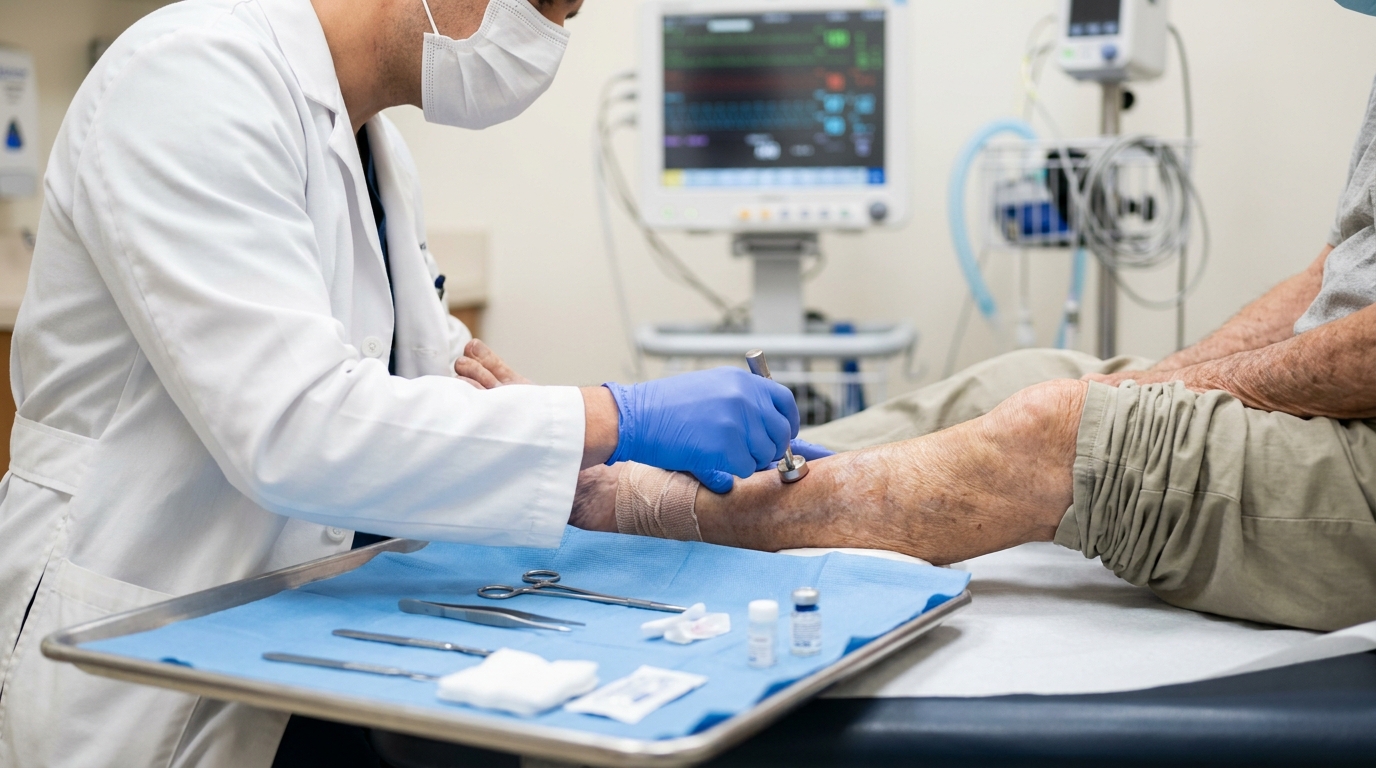
Skin Biopsies Differentiate Body-First and Brain-First Parkinson’s Disease
Cutaneous alpha-synuclein patterns and seeding kinetics identify distinct pathological origins in Parkinson’s disease subtypes.

Prefrontal Cortex Origin for Rhythmic Ictal Nonclonic Hand Motions
Intracerebral recordings show that specific hand motions often linked to temporal lobe epilepsy can originate in the middle frontal gyrus.
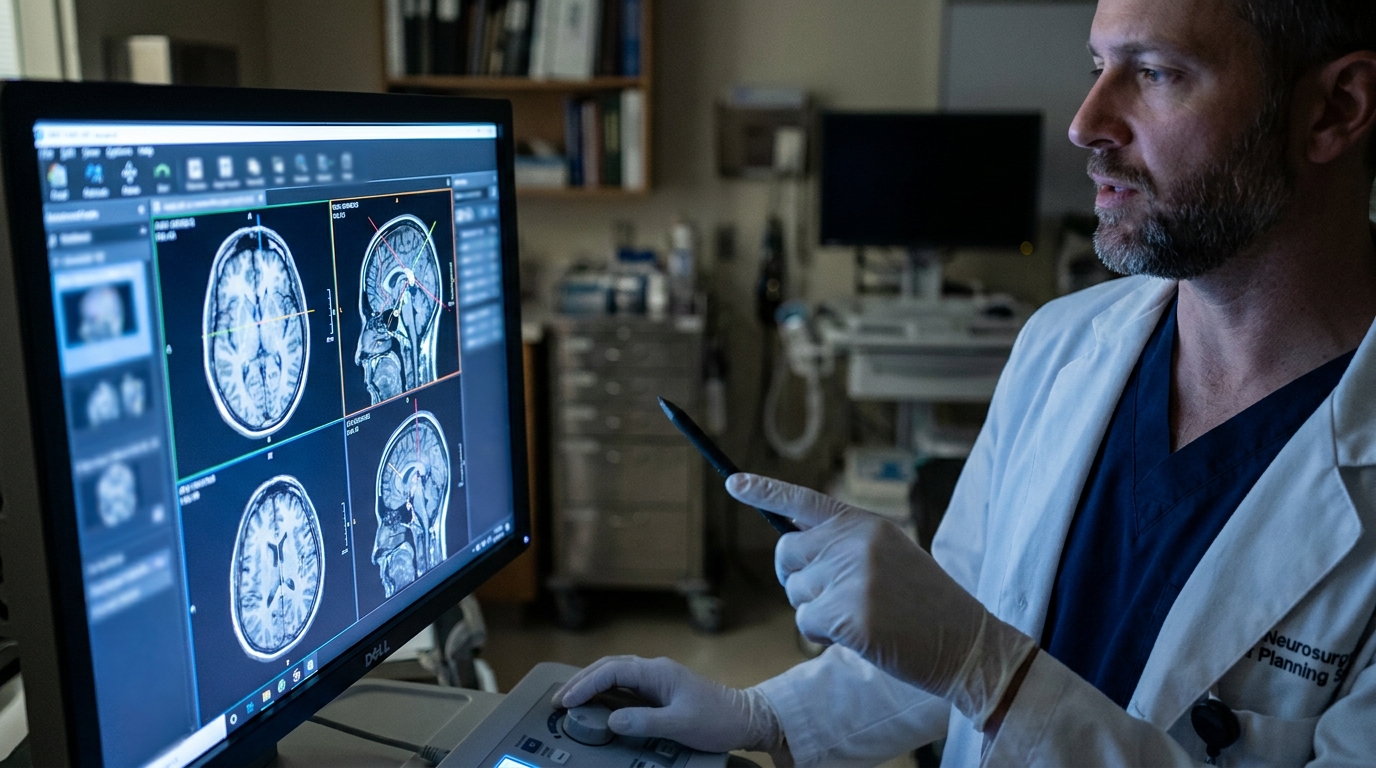
Transcortical Mapping for Insular Glioma Limits Deficits and Improves Survival
A 500-case analysis identifies specific residual volume thresholds that correlate with survival while keeping permanent deficits under 4%.
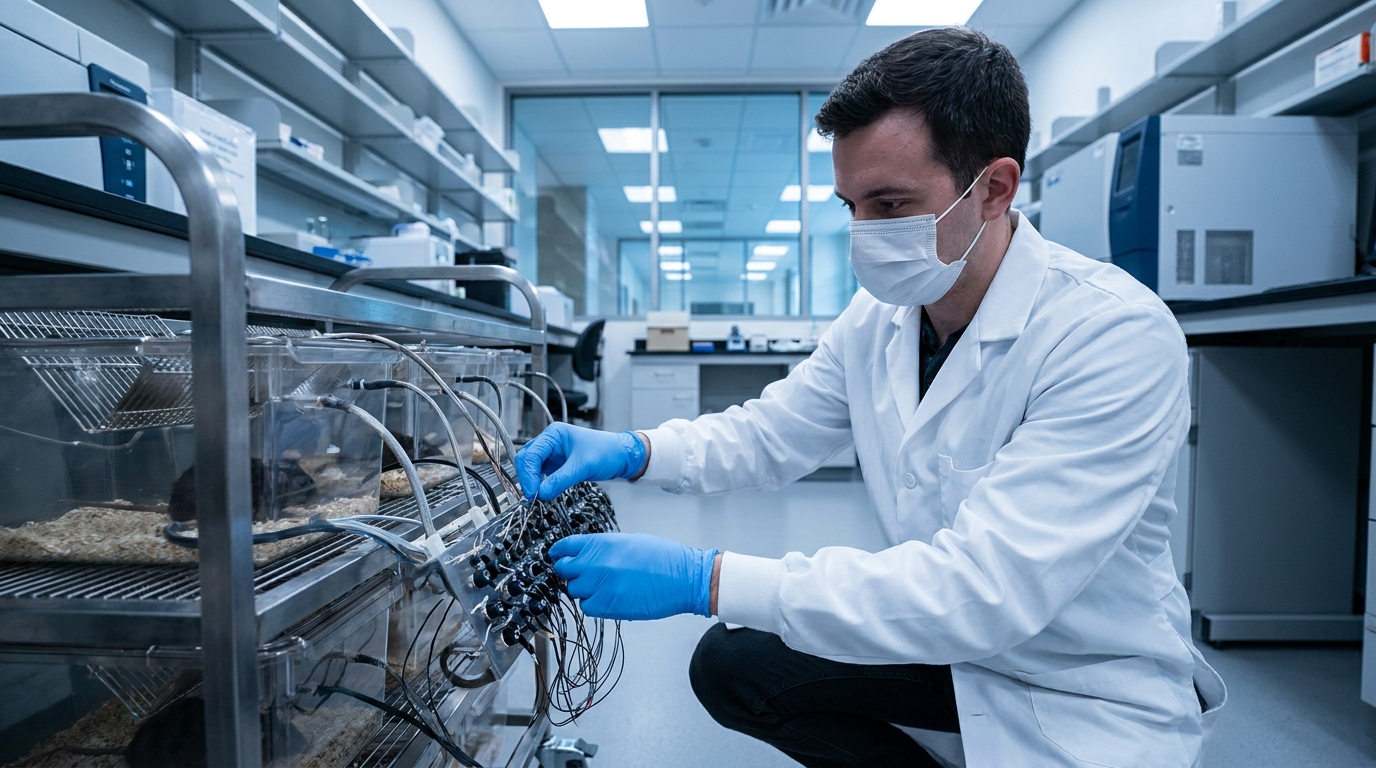
Interneuron Loss Fails to Amplify mTOR-Related Seizures in Mice
A two-hit model shows that hippocampal interneuron depletion triggers transient seizures but does not synergize with Pten mutations.

Preexisting Mental Disorders Increase Mortality After Spinal Injury
A cohort study finds younger patients with dual diagnoses face a 17-fold higher mortality risk following traumatic spinal injury.

Rapid Inter-Temporal Seizure Spread Linked to Poor Surgical Outcomes
Deep learning analysis of 275 seizures shows that extensive cortical involvement and rapid propagation correlate with surgical failure.

Synuclein Status Shows Limited Correlation With Brain Microstructure in Early Parkinson's
A study of 462 patients finds that positive alpha-synuclein assays do not reflect widespread neurodegeneration on diffusion MRI.