

Guillain-Barré Syndrome Presents as Catatonic Stupor in Schizophrenia Case
Diminished tendon reflexes and albuminocytologic dissociation distinguish neurologic paralysis from psychiatric immobility.

Essential Tremor Patients Retain Empathy Despite Cognitive Decline
A cross-sectional study finds no group-level deficits in empathy or emotional awareness in patients with essential tremor.

Telepractice PTR-F Improves Parent Fidelity in Chinese American Families
A culturally adapted behavioral intervention delivered remotely increased parent adherence and reduced challenging behaviors in autistic children.

Clinical and Social Markers Predict Six-Month Alcohol Abstinence
A multivariate analysis of 152 patients identifies treatment completion and organ damage as key indicators of long-term recovery.
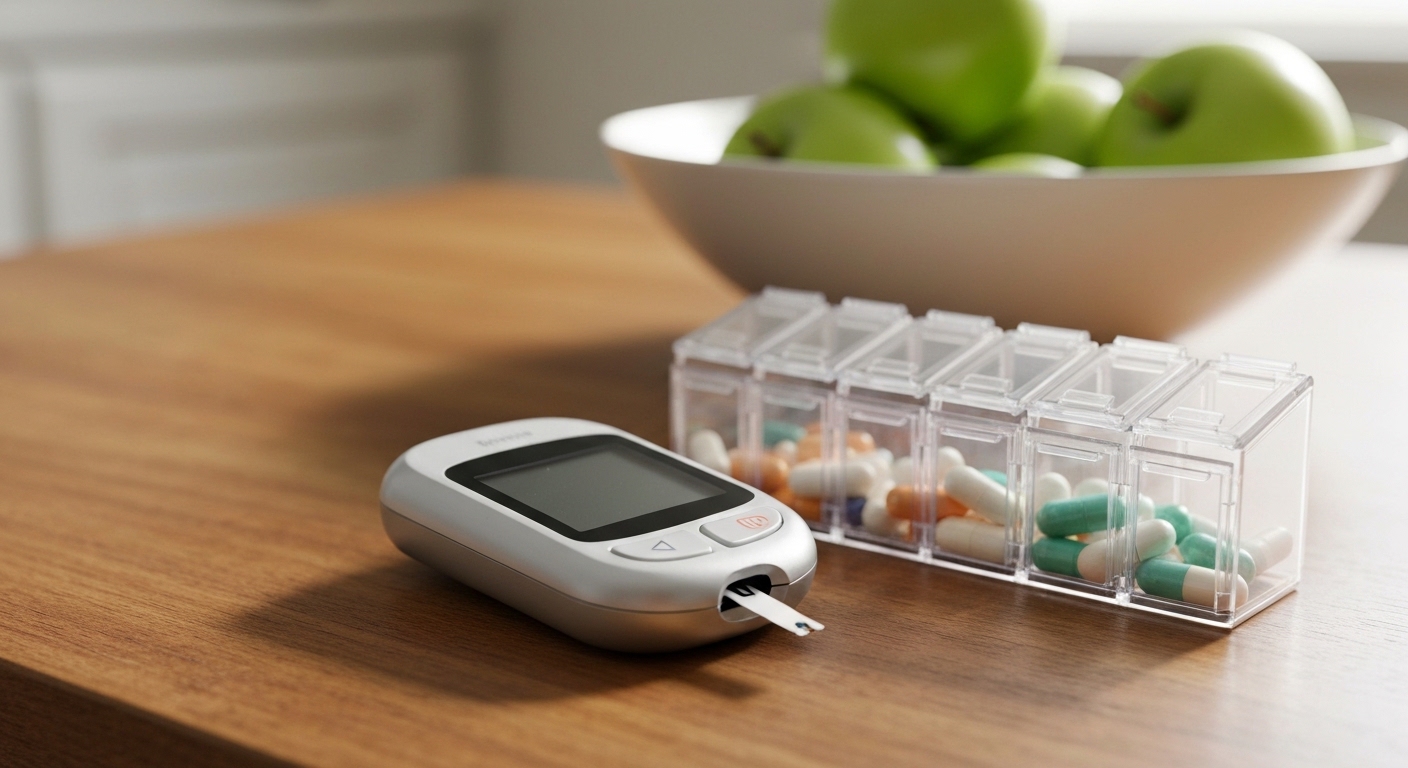
Behavioral Nursing Model Improves Glycemic Control and Cognition in Older Diabetes Patients
A three-month Information-Motivation-Behavioral Skills intervention reduced HbA1c and psychological distress while improving cognitive scores.

Organizational Stress and Avoidant Coping Drive Mental Health Symptoms in Police
A survey of 741 officers shows that workplace culture impacts clinical symptoms more than field operations, with gender influencing coping.

Employment and Family Dynamics Mitigate Maternal Anxiety in Multi-Child Households
A study of 4,215 mothers indicates that employment status and family conflict are stronger predictors of mental health than parity alone.

Five-Gene Metabolic Signature Identifies Schizophrenia in Prefrontal Neurons
Researchers identified a diagnostic model based on fatty acid metabolism genes in specific neuronal subtypes with an AUC of 0.856.

Venlafaxine Linked to Probable Induction of De Novo Vocal Tics
A case report identifies the first instance of vocal tics following SNRI use, likely due to fronto-striatal dopamine dysregulation.

App-Based Cognitive Tasks Increase Subclinical Mental Health Screening Accuracy to 91%
Combining objective neuropsychological metrics with self-reports identifies subclinical distress more accurately than subjective tools alone.
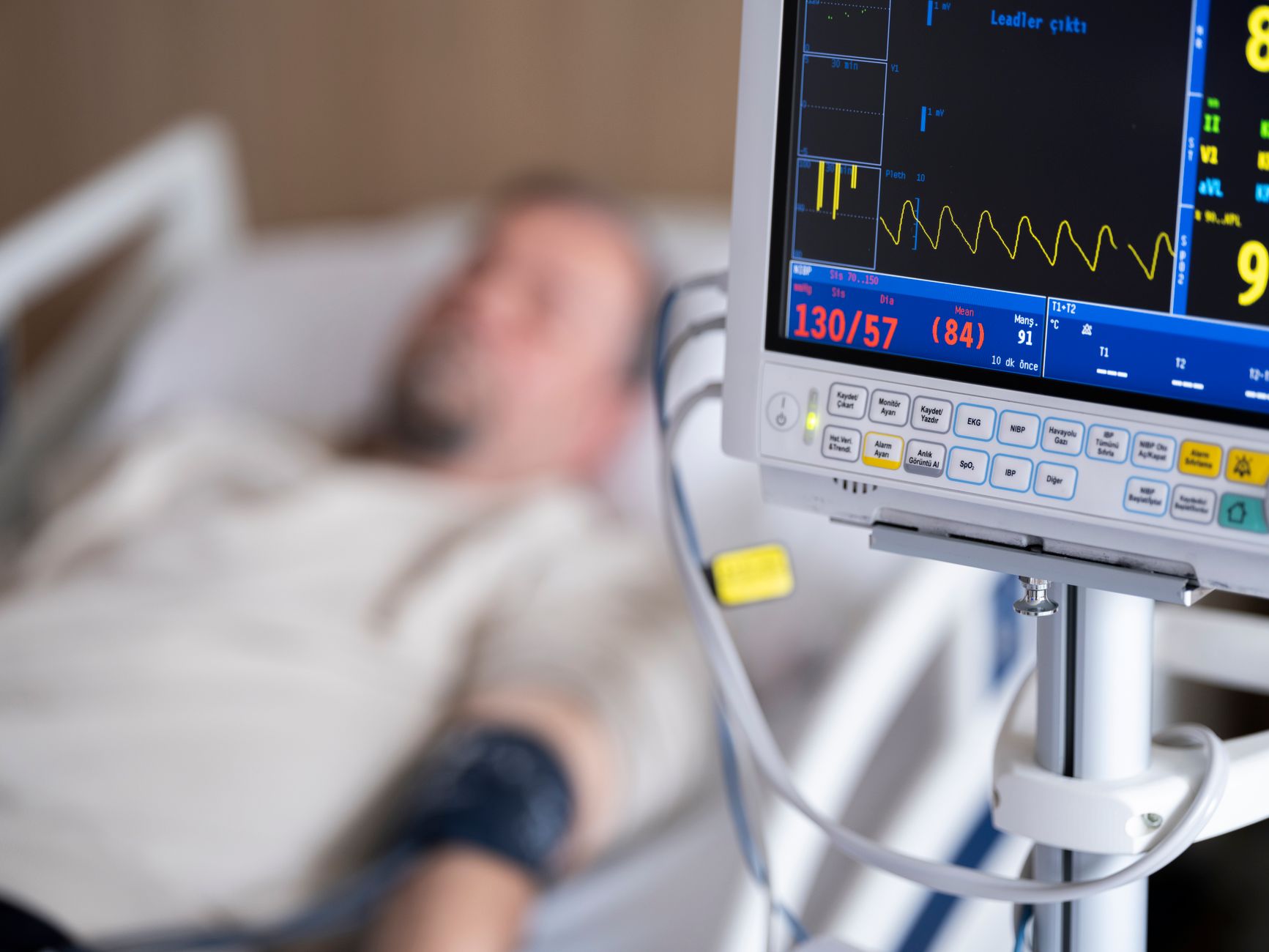
Algorithm Tracks Patient Signals to Calibrate Psychotherapy Intensity
A four-node framework uses physiological markers and anxiety thresholds to guide real-time clinical decisions and intervention dosing.

Reduced Loss Aversion and Impaired Response Inhibition Distinguish Suicide Attempters
Cognitive profiling reveals that reduced sensitivity to loss and poor impulse control characterize patients with violent suicide attempts.