

Gut Microbiota Linked to IPF Severity, Survival, and Treatment Response
A study in 411 patients with idiopathic pulmonary fibrosis identifies specific gut microbial associations with disease progression and treatment.

Integrated Aesthetic Procedures Enhance Post-Mastectomy DIEP Flap Outcomes
A retrospective cohort study indicates that combining DIEP flap breast reconstruction with aesthetic procedures improves patient satisfaction.

Germline Variants Linked to Increased Cancer Risk in Pediatric Patients
A large-scale analysis of pediatric exome sequencing data reveals specific germline variants significantly elevate future cancer incidence.

Brain-Wide Index Identifies Youth at Risk for Bipolar Disorder
A new study links a structural brain marker, the Regional Vulnerability Index for Bipolar Disorder, to familial risk and early symptoms.

Population Screening Identifies Early Type 1 Diabetes in Children, Quantifies Progression
A large-scale study in Bavaria, Germany, reveals the prevalence and progression rates of presymptomatic type 1 diabetes in a general pediatric…

Foamy Microglia and Lipid Metabolism Link to Multiple Sclerosis Lesion Expansion
A distinct microglial subtype and altered lipid pathways drive lesion progression in secondary progressive MS, suggesting new therapeutic avenues.

Higher Rocuronium Dose Linked to Increased First-Attempt Intubation Success in ICU
A secondary analysis suggests that rocuronium doses above 1.2 mg/kg improve intubation success in critically ill ICU patients.

Idarucizumab Reversal Before Thrombolysis in AIS Patients Shows Comparable Safety
Real-world data suggest intravenous thrombolysis after dabigatran reversal is safe and effective as in non-anticoagulated patients.

Multimodal Biomarkers Enhance Parkinsonian Syndrome Diagnosis
Combining dermal alpha-synuclein, 4-repeat tau SAAs, and serum neurofilament light chain improves diagnostic precision for neurodegenerative.
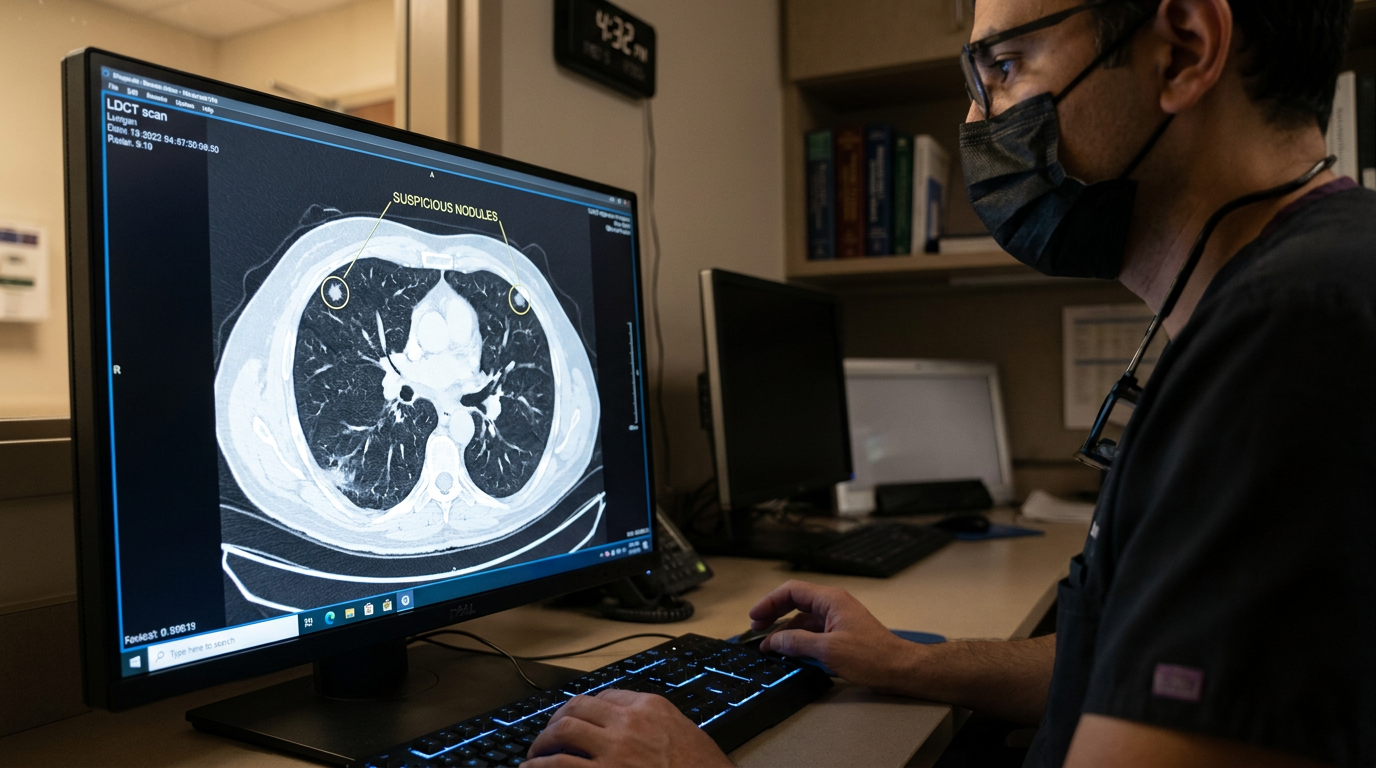
Protein-Based Model Improves Short-Term Lung Cancer Risk Prediction
A new protein-based model enhances identification of individuals with a smoking history at high short-term risk for lung cancer.

Postpartum Period Linked to Higher Risk of Myasthenia Gravis Exacerbations
A population-based cohort study clarifies the fluctuating risk of myasthenia gravis exacerbations during and after pregnancy.

Multimodal Prehabilitation Reduces Complications, Shortens Hospital Stays After Colorectal Surgery
A nationwide cohort study shows pre-surgical interventions improve outcomes for unselected colorectal cancer patients.