

Liver Resection and Chemotherapy Extend Survival in Incidental Gallbladder Cancer
A UK multicenter study shows radical resection and adjuvant therapy significantly improve outcomes for cancer found after cholecystectomy.

Acute Neurological Symptoms Predict Mortality in Heat-Related Illness
A Japanese study of 2,961 patients finds that impaired consciousness and seizures increase the risk of in-hospital death sevenfold.
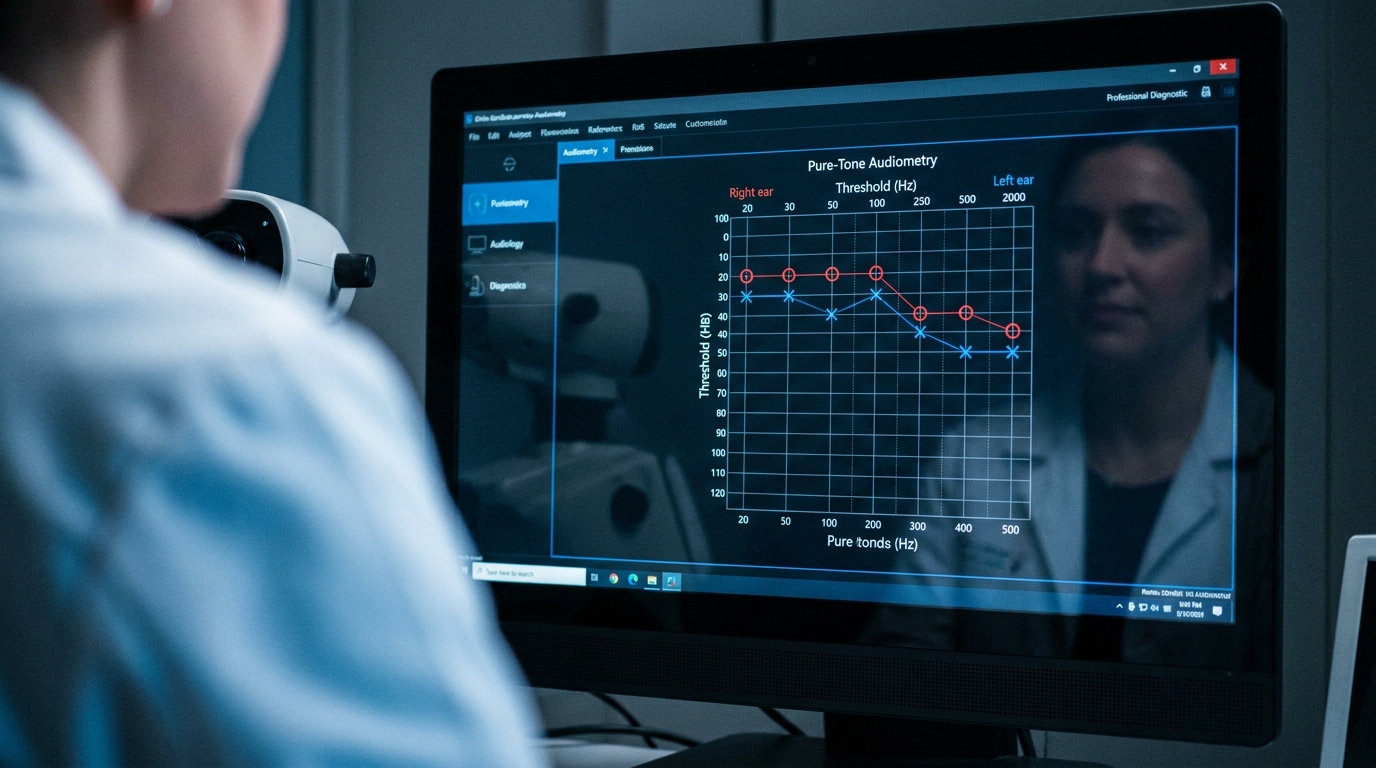
Frailty Scores Influence Steroid Selection but Not Hearing Recovery
A retrospective study of 185 patients shows that while frailty dictates steroid delivery, it does not limit audiometric improvement.
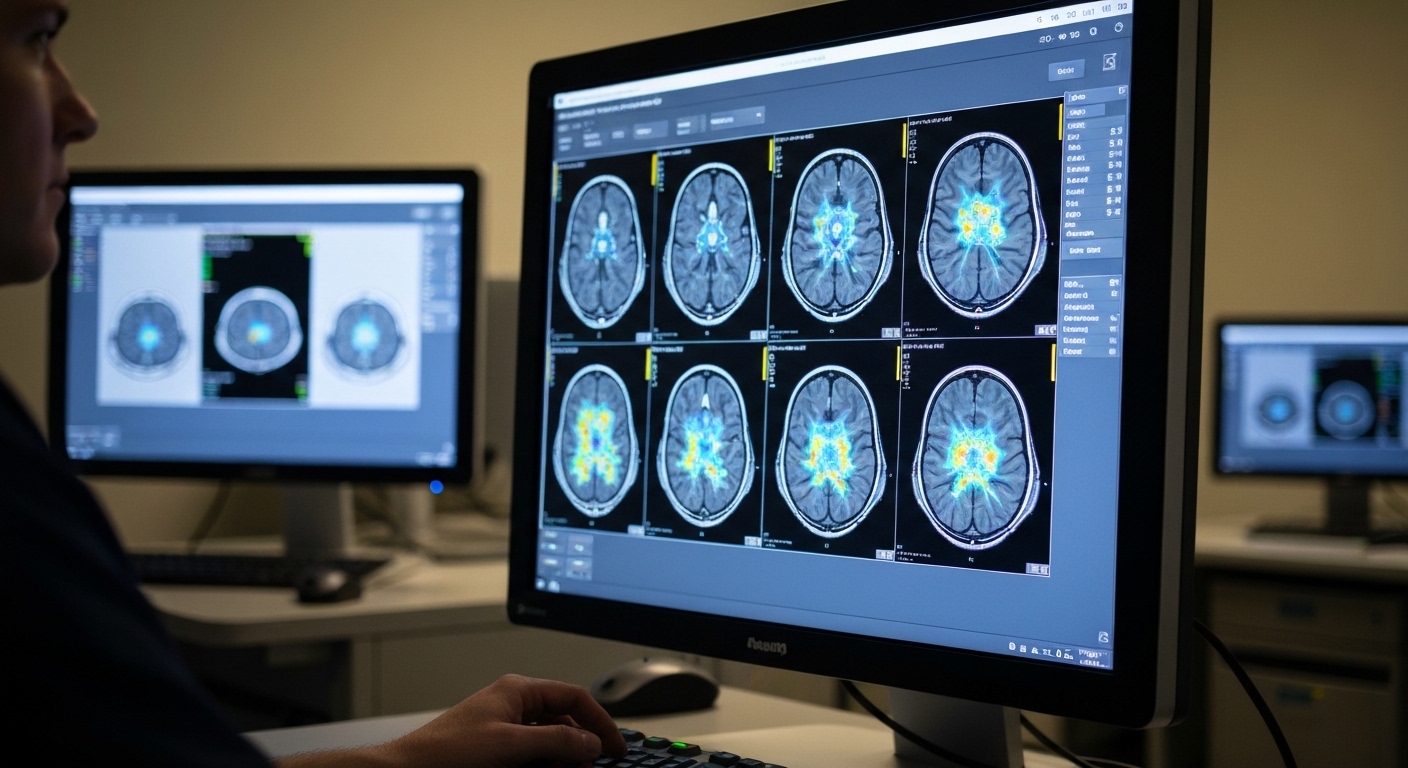
Sustained Attention Tasks During MRI Improve Prediction of Autistic Traits
Functional imaging during cognitive challenges identifies neural markers of social responsiveness more accurately than resting-state scans.

Grammatical Boundaries Limit Word Prediction Precision in the Human Brain
Neural responses to word unpredictability decrease at major phrase boundaries, suggesting language processing prioritizes structure over raw statistic

Mediterranean Diet Preserves White Matter Integrity in Hispanic and Latino Adults
Higher adherence correlates with lower white matter hyperintensity volume and better global cognition through cardiovascular health pathways.

Online Training Increases Fascia Iliaca Block Use for Pediatric Femur Fractures
A web-based module combined with brief hands-on training doubled the rate of ultrasound-guided regional anesthesia in the emergency department.

TXA Linked to Lower Reoperation Odds in Posttonsillectomy Hemorrhage
A multicenter study of 19,572 pediatric encounters shows tranexamic acid use increased to 30% by 2024 and reduced reoperation risk by 34%.

Severe Childhood Malaria Impairs Cognition Up to 15 Years Later
Ugandan children who survive cerebral malaria or severe malarial anemia show persistent cognitive and math deficits up to 15 years later.

Neuropsychiatric Symptoms and CSF Markers Predict General Paresis Outcomes
A 12-month study identifies depression, apathy, and baseline inflammatory markers as key indicators of prognosis in neurosyphilis.

Antipsychotics Rarely Cause Persistent QTc Prolongation in Children and Adolescents
A cohort study of 430 pediatric patients found no severe arrhythmias or QTc intervals over 500 ms during antipsychotic treatment.

C4A Complement Pathway Decouples from C1Q in First-Episode Psychosis
A study of 113 patients shows that C4A levels shift independently of C4B in the cerebrospinal fluid during early-stage psychosis.