

CTBS to Right DLPFC Reduces Heavy Drinking Relapse Risk in AUD Over 12 Months
Continuous theta-burst stimulation to the right DLPFC lowered heavy-drinking relapse risk in AUD over 12 months in a randomized trial.
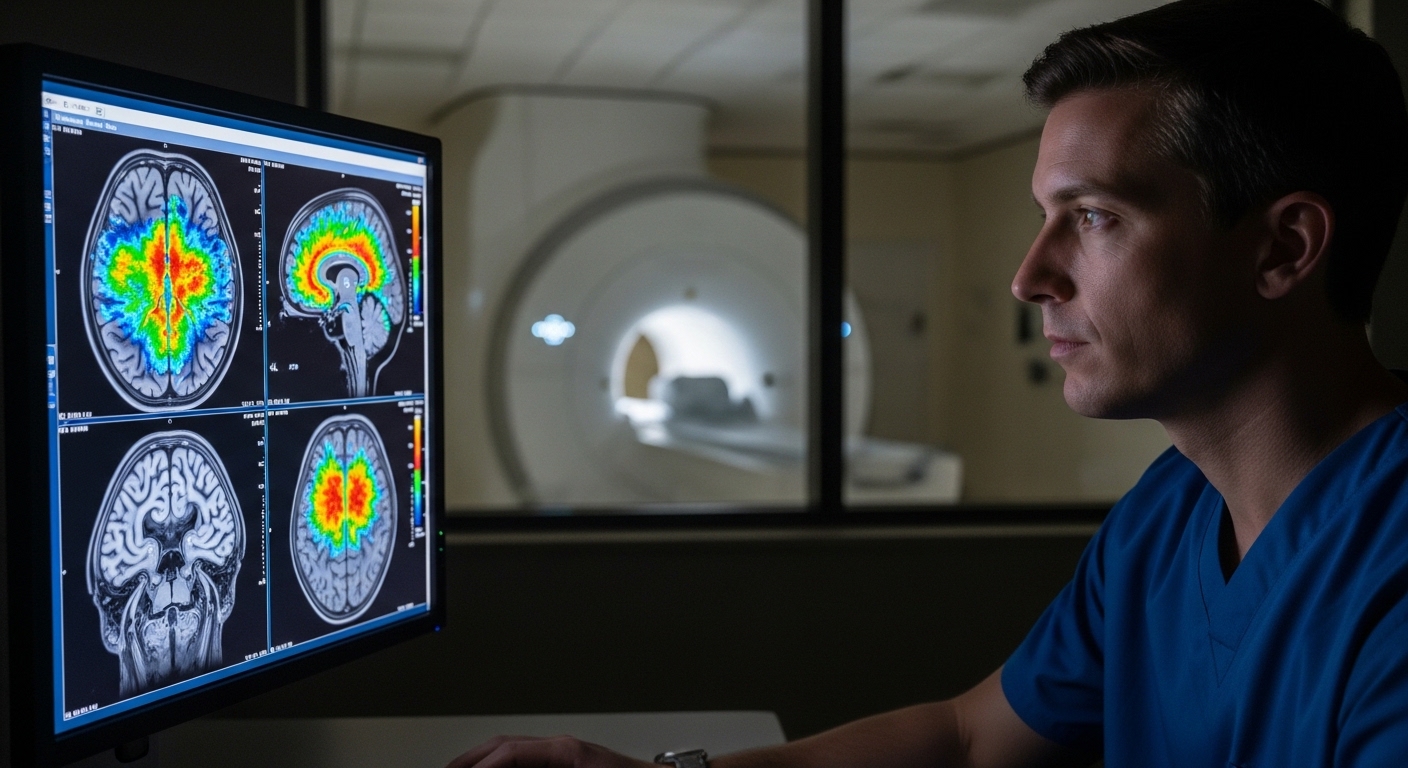
Neuroimaging Biotypes May Guide MDD Treatment, Improve Remission
Functional MRI-derived circuit profiles could personalize major depressive disorder therapy, potentially doubling remission rates.

Focal Brain Lesions Pinpoint Common OCD Network and Treatment Targets
A systematic review identifies a shared brain network in lesional and primary OCD, aligning with neuroimaging and neuromodulation sites.

Comorbidity Drives Genetic Overlap Between Anxiety and Major Depression
Excluding comorbid cases reveals that isolated anxiety and depression are more genetically distinct than previously recognized.

Advanced Paternal Age Increases Autism Risk in Grandchildren via Female Lineage
A registry study of 12.6 million people shows that a grandfather's age at his daughter's birth influences his grandchildren's autism risk.

Bipolar Disorder Linked to Widespread White Matter Network Disruption
Large-scale analysis identifies connectivity deficits in reward circuits associated with illness duration and psychotropic medication use.

Adolescent Depression Linked to Declining Amygdala-Prefrontal Connectivity
Longitudinal imaging shows that escalating depressive symptoms correlate with weakening frontolimbic links during emotion regulation.

Childhood Trauma Linked to Altered Mitochondrial Bioenergetics in Adults
Adults with early life adversity show increased mitochondrial respiratory capacity and reduced glycolytic ATP production in immune cells.

Pyramidal Cell Hypofunction Predicts Psychosis Conversion in High Risk Patients
Biophysical modeling of auditory biomarkers suggests that excitatory deficits, not interneuron dysfunction, drive the transition to psychosis.

Adolescent Nicotine Rewires Brain Circuitry to Boost Opioid Reward in Mice
Early nicotine exposure alters GABA signaling in the ventral tegmental area, amplifying the rewarding effects of morphine in adult mice.

Menstrual Cycle Phases Alter Brain Reactivity to Drug Cues
Functional MRI reveals that estrogen heightens cue-induced craving in women with substance use disorders, while progesterone blunts it.

Nicotine Rewires Habenular Circuits in Mice, Altering Food Motivation
Chronic nicotine exposure in mice disrupts top-down control of the LDT-VTA cholinergic axis, driving exaggerated food-seeking behavior.