
The Briefing
Continuous newsroom coverage of clinically relevant evidence — newest first.
Earlier
24 stories-

One Quarter of Helicopter Emergency Missions Provide No Clinical Benefit
A retrospective analysis of 2,286 missions shows that while 74 percent are beneficial, many deployments lack clear utility.
-

Single-Responder Paramedic Units Meet Patient Needs for Immediate Help
Qualitative analysis shows patients prioritize clinical assistance over transport, finding single-paramedic units reduce medical drama.
-

Delphi Panel Defines 50 Criteria for Pediatric Critical Illness
A multidisciplinary panel established standardized hospital-based measures to improve prehospital triage and emergency medical services.
-

Oral Frailty Affects 69% of Hospitalized Patients With Schizophrenia
A machine learning analysis identifies medication non-adherence and hospitalization frequency as key predictors of dental decline.
-

Device Conflicts Affect 10% of Pediatric Mental Health Boarding Patients
Younger males with neurodevelopmental disorders face the highest risk of behavioral dysregulation when digital device access is restricted.
-

Anisometropia and Disease Duration Predict Sensory Loss in Intermittent Exotropia
A cross-sectional study of 809 pediatric patients identifies key risk factors for impaired near stereoacuity in intermittent exotropia.
-

Clinical Pathway Cuts Pediatric CT Use and Emergency Department Wait Times
A multidisciplinary protocol prioritizing ultrasound and surgical consultation met national quality goals while reducing stay by 103 minutes.
-

Low Health Literacy Linked to Social Media Reliance and Emergency Visits
Patients with limited health literacy prioritize emergency care over outpatient clinics when faced with long wait times or online advice.
-
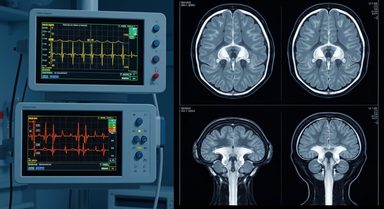
Sex Not Independently Linked to Post-Arrest Neurological Recovery
Observed survival disparities between men and women disappear after adjusting for initial rhythm and arrest etiology.
-

Pediatric Cannabis Hyperemesis Protocol Increases Capsaicin Use and Lowers Haloperidol Dosing
A standardized algorithm shifted prescribing patterns for adolescent cannabis hyperemesis without altering admission rates or length of stay.
-
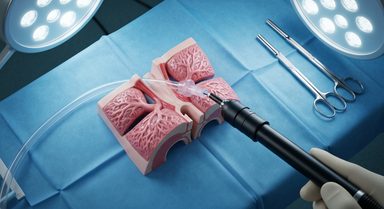
Early Bronchoscopy Linked to Shorter Ventilation After Cardiac Arrest
A retrospective study shows bronchoscopy within 24 hours reduces mechanical ventilation by 145 hours and guides antibiotic adjustments.
-

C5a Receptor Antagonism Shows Steroid-Sparing Effect in Vasculitis
While C5a inhibition demonstrates clinical benefit in vasculitis, trials in rheumatoid arthritis show more limited therapeutic efficacy.
-

Telehealth Integration Does Not Prevent Quality of Life Decline in Palliative Care
A randomized trial of 182 patients found no significant differences in symptom burden or security between telehealth and standard care.
-

Whole Blood Reduces Male Trauma Mortality but Shows No Benefit in Females
A nationwide analysis of 8,631 patients finds sex-based disparities in both whole blood utilization and subsequent survival outcomes.
-

GLP-1 Agonists Show No Increased Suicide Risk in Large Cohort
A nationwide study finds GLP-1 receptor agonists carry no higher risk of suicide attempts than other common antidiabetic medications.
-

Simultaneous Bilateral Cochlear Implants Preserve Spatial Hearing into Adolescence
Early synchronous auditory input prevents permanent localization deficits that persist despite years of bilateral device use.
-
Short Appendiceal Stump on CT Predicts Complex Resection and Open Conversion
A retrospective review found that a stump length under 2 cm increases the odds of extended resection twenty-fold in complicated cases.
-
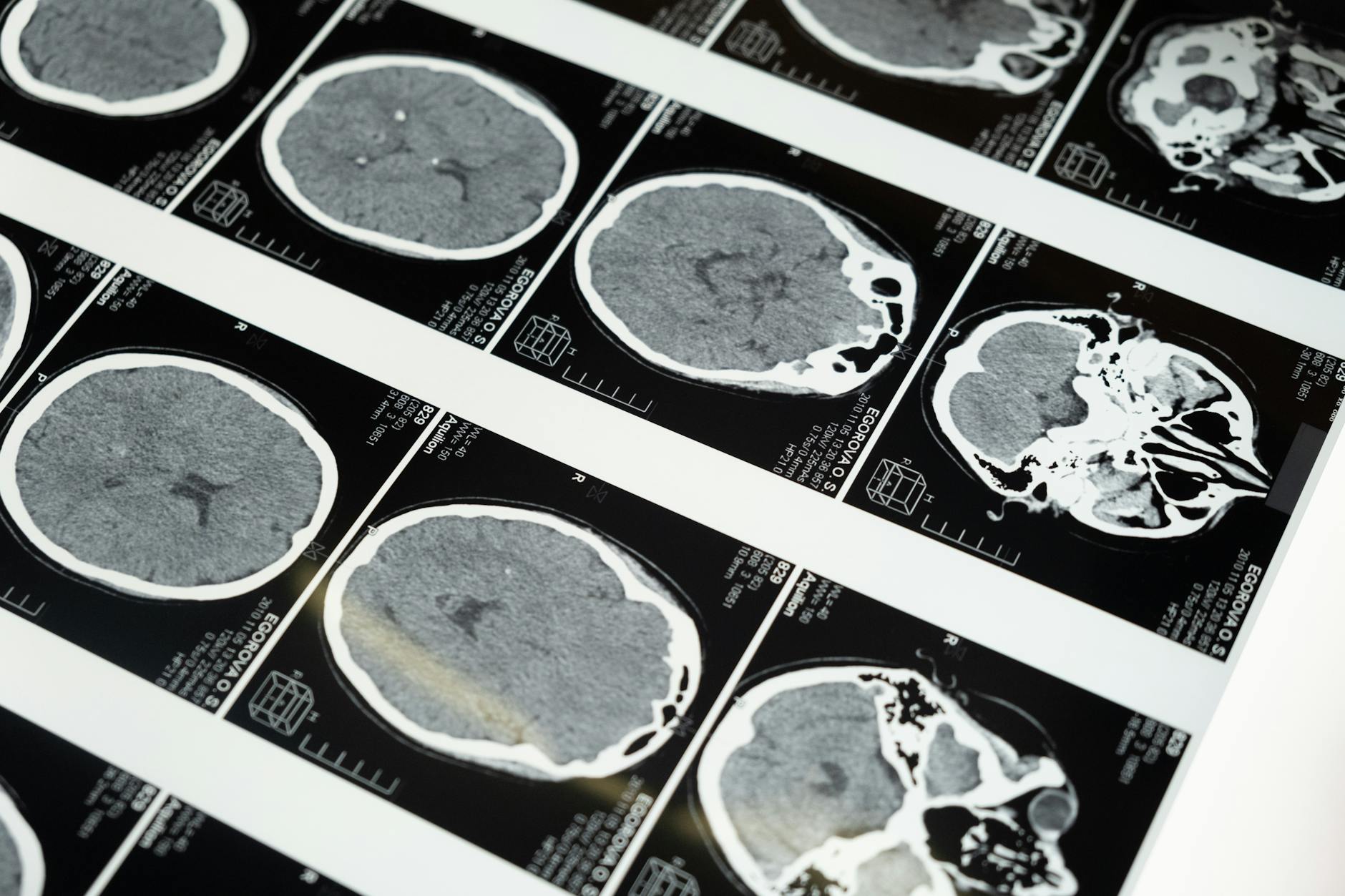
7 Tesla MRI Reveals Rapid Neural Connectivity Shifts During Cognitive Tasks
Healthy adults transition from surveillance to automated processing within minutes of mental exertion despite stable behavioral performance.
-

Standardized Protocols Reduce Length of Stay in Cushing Disease
A multicenter study of 832 patients shows that formal clinical pathways and non-narcotic pain regimens lower readmission risk.
-

AI Model Predicts Glioblastoma Infiltration Beyond Visible Tumor Margins
A prospective trial validates an AI tool using biopsies to map microscopic tumor spread and predict survival in glioblastoma patients.
-

Self-Mixed Morphine Gel Reduces Pain and Systemic Opioid Use in Cancer
A 0.125% topical morphine gel mixed by patients reduced pain scores by 61.8% and significantly lowered daily oral morphine requirements.
-
Bitemporal ECT and rTMS Plus SSRIs Reduce Suicidal Ideation
A network meta-analysis of 58 trials finds nonconvulsive brain stimulation alone is ineffective for suicidal ideation without medication.
-

Community CPR Training Increases Bystander Response but Not Defibrillator Use
A study of 6,280 cardiac arrests shows high training rates boost chest compressions while device use remains stagnant at less than 1%.
-

Buprenorphine Initiation Succeeds in 71% of Opioid-Tolerant Cancer Patients
A retrospective study shows transdermal and buccal buprenorphine reduce pain scores with low rates of precipitated withdrawal.