
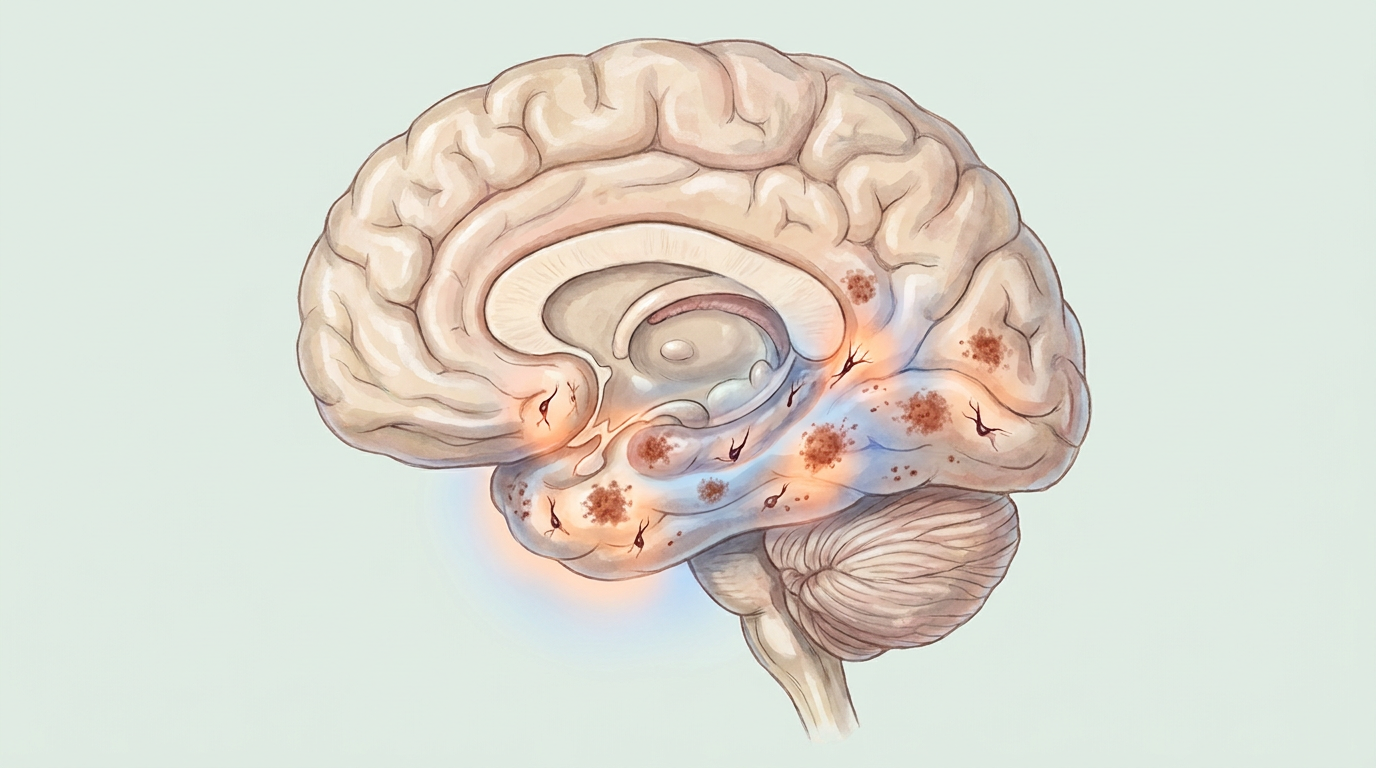
The Alzheimer’s Association (AA) and the Society of Nuclear Medicine and Molecular Imaging (SNMMI) have released updated Appropriate Use Criteria (AUC) for amyloid and tau PET. This comprehensive update reflects significant advancements in Alzheimer's disease diagnostics and the emergence of amyloid-targeting therapies, providing crucial guidance for clinicians navigating this evolving landscape.
Versus the Previous Version
The 2025 AUC significantly updates the 2013 amyloid PET guidelines, notably incorporating tau PET for the first time and adapting to the advent of disease-modmodifying Alzheimer's therapies.
Practice Notes
These practice notes highlight critical considerations for integrating amyloid and tau PET into your clinical workflow.
Key Recommendations
The following key recommendations outline the appropriate use of amyloid and tau PET imaging across various clinical scenarios, emphasizing their role in diagnosis, prognosis, and therapeutic decision-making in Alzheimer's disease.
In cognitively unimpaired individuals not at increased risk for AD based on age, APOE4 genotype, or family history, do not use amyloid PET.
In cognitively unimpaired individuals at increased risk for AD based on age, APOE4 genotype, or family history, do not use tau PET.
In patients younger than 65 years presenting with MCI or dementia where AD pathology is suspected, use amyloid PET.
In patients younger than 65 years presenting with MCI or dementia where AD pathology is suspected, consider tau PET.
In patients 65 years or older presenting with MCI or dementia syndrome consistent with AD pathology (amnestic presentation), consider amyloid PET.
In patients presenting with MCI or dementia syndrome that could be consistent with AD pathology but has atypical features, consider amyloid PET.
In patients with an established biomarker-supported diagnosis of MCI or dementia due to AD pathology, do not use amyloid PET to determine disease severity or track progression.
In patients with MCI or dementia who have equivocal or inconclusive results on recent CSF biomarkers, consider amyloid PET.
In patients presenting with MCI due to clinically suspected AD pathology, consider amyloid PET to inform prognosis.
In patients presenting with dementia due to clinically suspected AD pathology, consider tau PET to inform prognosis.
In patients being evaluated for treatment with an approved amyloid-targeting therapy, use amyloid PET to determine eligibility.
In patients being evaluated for treatment with an approved amyloid-targeting therapy, consider tau PET to determine eligibility.
In patients who have received an approved amyloid-targeting therapy, consider amyloid PET to monitor response.
In patients presenting with prodromal Lewy body disease or DLB, do not use amyloid PET.