
The Briefing · Emergency & Critical Care
Continuous newsroom coverage of evidence in Emergency & Critical Care — newest first.
Earlier
24 stories-

Adolescent Opioid Harms Double Despite Reduced Emergency Department Prescribing
A decade-long study of 1.2 million visits shows that cutting pediatric opioid prescriptions did not prevent a rise in clinical harms.
-

Structured Exercise and Resistance Training Safe During ECMO Support
A pilot study of 20 patients shows that intensive twice-daily rehabilitation correlates with improved functional performance and survival.
-

For-Profit Trauma Centers Increase Redundancy but Fill Critical Access Gaps
Geospatial analysis shows for-profit centers serve 43 million people, often overlapping with existing nonprofit trauma infrastructure.
-

Ketamine Does Not Reduce 28-Day Mortality Compared With Etomidate
A randomized trial of 2,365 critically ill adults found no survival benefit for ketamine, despite a higher rate of cardiovascular collapse.
-

Early Plasma Reduces Mortality in Traumatic Intracranial Hemorrhage
A retrospective study of 6,183 patients shows a 5% absolute survival drop for every 10-minute delay in plasma during the first half hour.
-
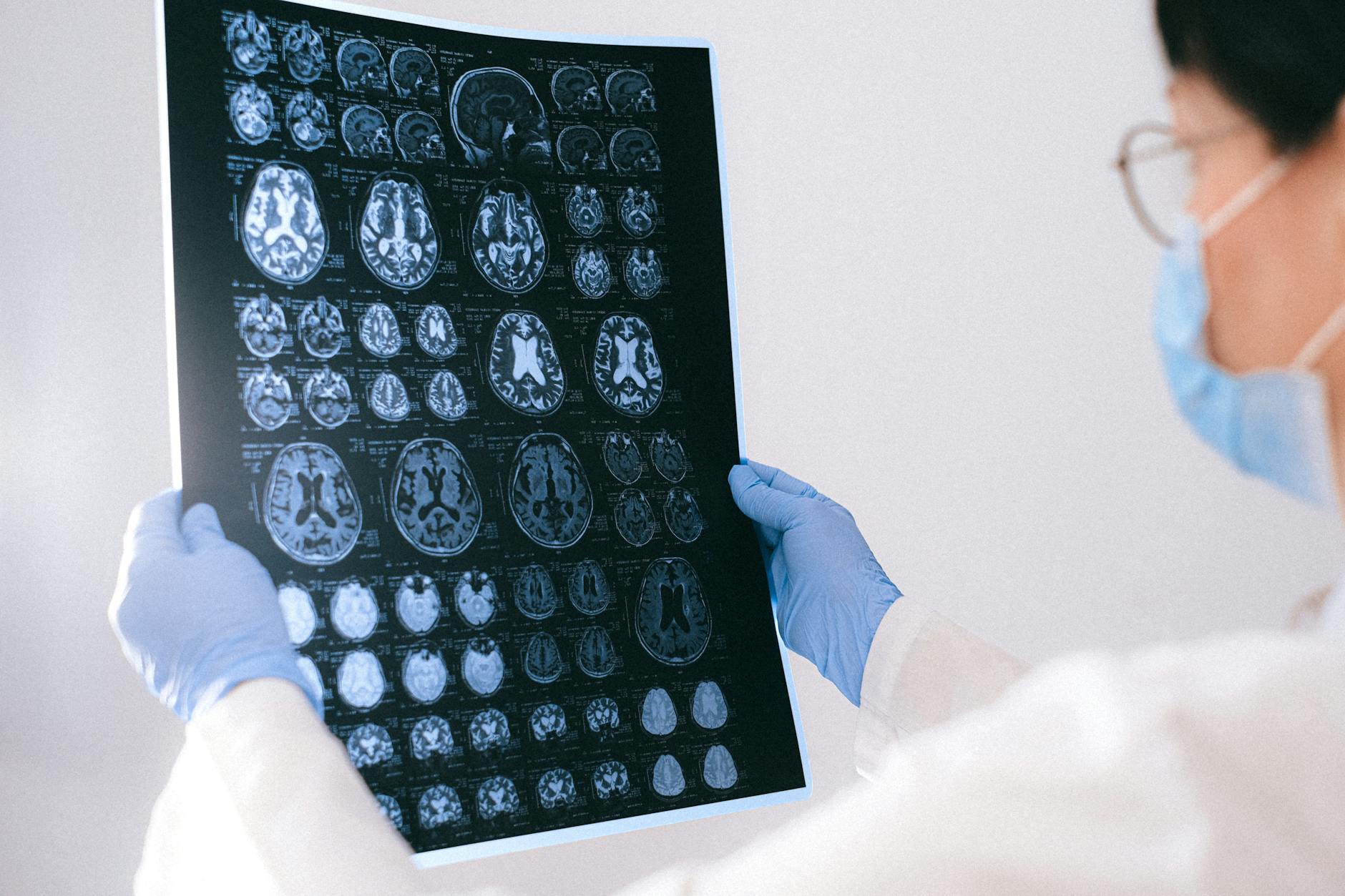
Recent Psychotropic Initiation and Frequent ER Visits Signal Suicide Risk
A nationwide study identifies mood stabilizer initiation and fragmented emergency care as critical proximal markers of suicide risk.
-

Indirect Expenses Account for 86 Percent of Trauma Resuscitation Costs
A time-driven activity-based costing analysis of 134 patients shows the average 17-minute resuscitation costs $3,628.
-

RRT Configuration Does Not Impact Complication Rates in VA-ECMO Patients
A retrospective study finds no significant differences in infection or bleeding between integrated and parallel renal replacement circuits.
-
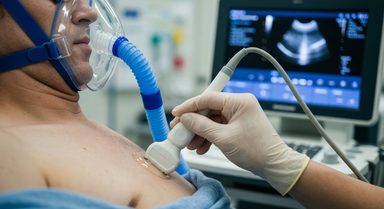
Low Diaphragm Thickening Fraction at One Hour Predicts Noninvasive Ventilation Failure
Bedside ultrasound of the diaphragm after 60 minutes of support identifies patients likely to require endotracheal intubation.
-

Emergency Laparotomy Survivors Face High Readmission and Inconsistent Follow-up
A multicenter study of 557 patients reveals that nearly 20% return to the hospital within 30 days of discharge.
-

Noninvasive Fascial Traction Increases Primary Closure Rates in Open Abdomens
Adding a traction device to negative pressure therapy reduces the 12-month incisional hernia risk from 63.1% to 14.1%.
-

Paramedics Rely on Informal Norms for Prehospital Opioid Selection
Qualitative data from Oslo University Hospital shows 'ambulance truths' and transport logistics drive the choice between fentanyl and morphine.
-

Targeted Therapies and Prognostic Scoring Improve Acute Liver Failure Outcomes
Early etiology-specific intervention and validated scoring systems are essential to optimize survival before advanced encephalopathy occurs.
-

Temperature Management Linked to Lower Brain Disability After In-Hospital Arrest
A nationwide cohort study finds targeted cooling reduces the risk of specialist-certified permanent neurological impairment by 15 percent.
-

Standardized Protocol Alters Medication Use in Pediatric Cannabis Hyperemesis Syndrome
Implementation of a clinical pathway increased capsaicin and metoclopramide use while reducing haloperidol dosages in adolescents.
-
Clinical Pathway Reduces Pediatric CT Use to 22 Percent
A multidisciplinary protocol met national quality benchmarks while cutting emergency department wait times by over 100 minutes.
-

Paramedic Patella Reduction Reduces Hospital Transport and Dislocation Time
A retrospective analysis of 1,210 patients shows a 91.8% success rate for prehospital reduction, cutting dislocation time by 71 minutes.
-

Age, Rhythm, and Low-Flow Duration Predict Neurological Recovery After ECPR
A 14-year cohort study identifies specific predictors to help clinicians select cardiac arrest patients for extracorporeal resuscitation.
-

Open-Source AI Models Accurately Classify Pediatric Pneumonia on Radiographs
Large language models match physician adjudication of free-text reports, surpassing traditional machine learning in the emergency department.
-

Dexmedetomidine Linked to Lower Mortality in ICU Patients With Delirium
A retrospective analysis of two large databases shows reduced in-hospital and one-year mortality for delirious patients given the sedative.
-

Subanesthetic Ketamine Improves Depressive Symptoms in Critically Ill Adults
A retrospective study finds three days of low-dose ketamine reduces sadness in ICU patients with minimal hemodynamic impact.
-

Sonorheometry Reliably Excludes Coagulopathy During Initial Trauma Resuscitation
A multicenter study validates bedside sonorheometry for rapid exclusion of trauma-induced coagulopathy with high negative predictive values.
-
Negative PCR Panel and Sputum Culture Rule Out Pneumonia Mimics
A prospective ICU study shows 91 percent specificity for non-infectious mimics when molecular and culture results are both negative.
-

Experts Define 50 Hospital-Based Criteria for Pediatric Critical Illness
A consensus-based framework provides standardized metrics to identify high-risk children and benchmark emergency medical services performance.