
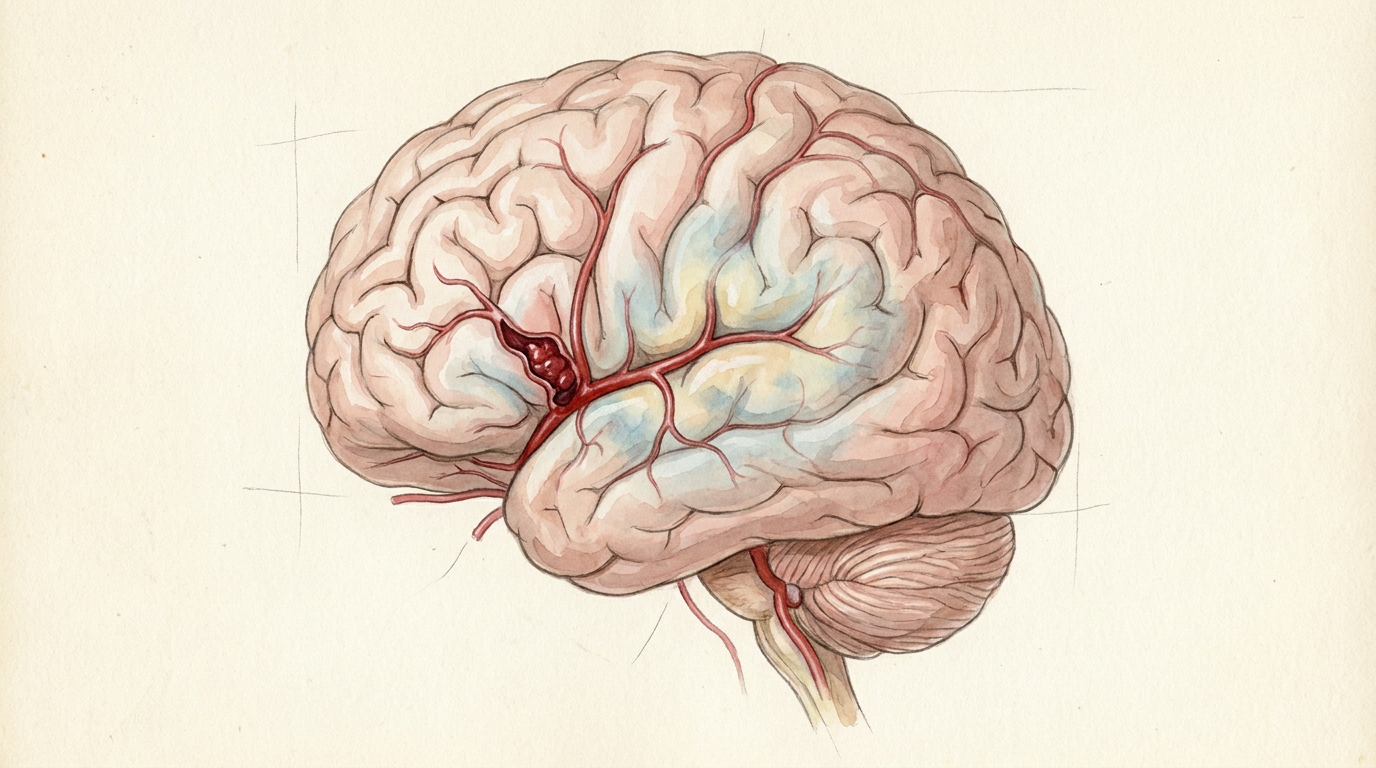
The American Heart Association and American Stroke Association have released their 2026 Guideline for the Early Management of Patients With Acute Ischemic Stroke. This comprehensive update integrates significant new evidence, particularly regarding thrombolytic choice, expanded endovascular thrombectomy criteria, and, for the first time, dedicated recommendations for pediatric patients. Clinicians should review these changes to optimize acute stroke care and improve patient outcomes.
Versus the Previous Version
This 2026 guideline significantly updates the 2019 version, incorporating new evidence that refines prehospital management, expands treatment options, and introduces specific guidance for pediatric populations.
Practice Notes
Consider these critical practice points for immediate implementation and patient safety.
Key Recommendations
These key recommendations highlight critical updates and reinforce established best practices in the early management of acute ischemic stroke. They cover prehospital care, diagnostic imaging, thrombolytic and endovascular therapies, and supportive care, guiding clinicians toward optimal patient outcomes.
In adult patients with AIS presenting within 4.5 hours of symptom onset or last known well and eligible for IVT, administer tenecteplase at a dose of 0.25 mg/kg body weight (max 25 mg) or alteplase at a dose of 0.9 mg/kg body weight.
In pediatric patients aged 28 days to 18 years with confirmed AIS presenting within 4.5 hours of symptom onset and disabling deficits, consider IVT with alteplase.
In pediatric patients ≥6 years with acute neurological symptoms and ischemic stroke due to LVO and within 6 hours from symptom onset, perform EVT if performed by experienced neurointerventionalists to improve functional outcomes.
In patients with suspected AIS eligible for thrombolysis, use Mobile Stroke Units (MSUs) over conventional EMS where available for transport and management.
In patients with mild to moderate severity AIS who have been treated with IVT, do not intensively reduce SBP to <140 mm Hg (compared with <180 mm Hg).
In patients with AIS with anterior circulation LVO successfully recanalized by EVT (mTICI 2b, 2c, or 3) and without other BP management indications, do not target intensive SBP reduction to <140 mm Hg for the first 72 hours.
In hospitalized patients with AIS with hyperglycemia, do not treat with IV insulin to achieve blood glucose levels in the range of 80 to 130 mg/dL.
In patients with suspected AIS in areas with well-coordinated SSOC and local hospitals proficient in thrombolysis and interhospital transfer, do not directly transport patients with suspected LVO to a distant (e.g., 45–60 min) TSC compared with transport to a local stroke center.
In hospitals providing EVT for acute stroke (TSC, CSC hospitals), develop a system to comprehensively track key time metrics and other care processes relevant to thrombectomy (e.g., door-to-puncture time, successful reperfusion), as well as long-term patient outcomes.
In adult patients with AIS eligible for IVT within 4.5 hours of symptom onset, initiate treatment as quickly as possible, avoiding potential delays associated with additional multimodal neuroimaging (e.g., CTA/MRA, CT/MR perfusion imaging).
In patients with minor (NIHSS score ≤5) noncardioembolic AIS or high-risk TIA (ABCD2 score ≥4) within 24-72 hours from onset, or NIHSS 4-5 within 24 hours, who did not receive IVT, with presumed atherosclerotic cause, administer DAPT (clopidogrel and aspirin) for 21 days followed by SAPT.
In carefully selected (e.g., milder severity) patients with AIS with atrial fibrillation, implement a strategy of early oral anticoagulation poststroke.
In patients with AIS from anterior circulation proximal LVO of the ICA or M1, presenting within 6 hours from onset of symptoms, with NIHSS score ≥6, prestroke mRS score of 0 to 1, and ASPECTS 3 to 10, perform EVT to improve functional clinical outcomes and reduce mortality.
In selected patients* with AIS from anterior circulation proximal LVO of the ICA or M1, presenting between 6 and 24 hours from onset of symptoms, with age <80 years, NIHSS score ≥6, prestroke mRS score 0 to 1, ASPECTS 3 to 5, and without significant mass effect on imaging, perform EVT to improve functional clinical outcomes and reduce mortality.
In patients with AIS, with basilar artery occlusion, a baseline mRS score of 0 to 1, NIHSS score ≥10 at presentation, and PC-ASPECTS ≥6, perform EVT within 24 hours from onset of symptoms to achieve better functional outcome and reduce mortality.